The old adage is that insurance is something you need but hope you never use. However, that shouldn’t diminish the importance of having a rock-solid insurance policy. A robust insurance package serves a critical role for your business. Your livelihood depends on factors that happen every day on the farm that are unpredictable or outside your control, and it’s important to be protected when those things happen.

A good plan supports you and your employees and their families; something that is there when needed – when accidents happen or to just support the health and wellness of your team. A good plan also protects your business assets, providing income stability when unforeseen events occur.
How is your plan?
Do you have a good insurance plan? How do you know? After all, you’re a farming expert and not an insurance expert, so it would be difficult for you to stay in touch with new insurance programs, market changes and all the other factors that impact insurance coverage. There are bound to be gaps in your coverage. In my role working with farmers to support their insurance needs, I’ve identified these five most common gaps in insurance coverage.
Gap 1: You miss new insurance opportunities
The insurance marketplace changes quickly, and new coverage opportunities are added on a regular basis. For example, with the growing use of drones on farms, drone coverage is now available. There is cyber security insurance to help protect against data security breaches. Other new insurance offerings emerge on a regular basis.
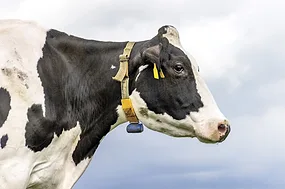
One new and effective insurance program covers heat stress in dairy cows. This insurance provides dairy farmers protection against lost revenue and higher expenses when the temperature humidity index (THI) goes above normal levels. It’s triggered when THI gets to a level that causes a loss in milk volume, a reduction in milk quality or an increase in expenses. It might not completely replace lost revenue from a heat stress event, but it can certainly help.
Gap 2: There’s not enough coverage
This happens when policies get old, they’re not updated on a regular basis or there’s a change in your business assets that doesn’t get reflected in your coverage. For example, with the farmers that I’ve worked with, buildings are often the most undervalued asset on the farm. Even if a building is older, think of what the replacement costs would be to build something new in its place.
Your policy is probably categorized in one of three buckets:
- Basic: As the name suggests, this just covers the basic elements of your business. This is the least expensive option and usually just covers if a catastrophic event happens, like damage from a fire, windstorm, hail and so forth. While it’s cheaper, there are also more uncovered risks that can end up costing significantly more in the long run.
- Broad: This covers the basic perils and adds on a few more elements. It’s a little more expensive but provides protection against a more diverse set of potential events.
- Special: This type of policy covers unexpected events with listed exclusions. Not all exclusions are listed here, but some include: wear and tear, earth movement, fraud and pollutants. Your policy will have a detailed list of what is covered and what is not. This is the broadest protection and easiest claims process but also the most expensive. Farmers who want maximum certainty that their buildings, machinery and assets are protected from unexpected events often choose special coverage for its comprehensive protection with a few exclusions.
In addition to the amount of coverage you have, it is also important to know who carries your insurance. While you purchase your insurance policy through an insurance agency, the actual insurance coverage is provided by a carrier. This is one of the most common misunderstandings among customers. Carriers create the insurance product and assume the risk. If you are unclear about what carrier your policy is with, ask your agent.
Gap 3: Yes, you need workers compensation insurance
If you have employees on your farm, it is important for them to be protected. Unfortunately, accidents happen on farms, and you and your employees need to have the proper coverage in place to offset the costs of medical bills. It protects your liability as an employer, and with more employees that liability grows.
But workers compensation insurance goes beyond just injury protection. In many states, businesses with employees are required to have a workers compensation policy in place to protect workers in the case of injury. Check to see the requirements for your state. Workers compensation insurance is not expensive, and it is a great way to protect your employees and your business.
Gap 4: Accident plans aren’t replacements for health insurance
Accident insurance plans are policies that pay cash benefits when someone is injured in an accident that’s covered by the policy. While these policies provide coverage if something happens, they are not meant to replace health insurance.
You want coverage that goes beyond an accident. Health insurance provides comprehensive coverage for injuries, plus illnesses, preventive care and ongoing medical needs. If you can provide health insurance to your employees, you’ll provide for things like visits to the doctor, preventive care, coverage for chronic ailments, maternity care and more. It also covers treatment for mental illness and other associated health challenges.
It costs a little more, and there are more elements associated with health insurance like deductibles, co-pays, co-insurance and so forth, but it’s essential to provide you and your employees that support they need.
Gap 5: Employers don’t offer additional benefits
Finding and retaining good farm employees is difficult. Farmers can attract and keep employees by offering insurance benefits that go beyond just basic health insurance. Coverage such as accident insurance can provide inexpensive coverage to protect against events that happen on the farm. Other coverage such as short- and long-term disability, vision and dental coverage, life insurance and other packages can be added benefits.
Since farms are in rural areas where health facilities may be limited, opportunities for telemedicine can be beneficial. This allows employees to have virtual doctor visits, make prescription refills, get mental health support and other essential health needs.
The worst time to find gaps in your insurance policy is when you go to submit a claim, only to have it rejected because you’re not covered. Take time to review your policy on a regular basis with your insurance agent. Hopefully, they are well versed on the intricacies of a farming operation and can provide you with the insights and coverage you need to protect you, your employees and your business.
This article is provided for information purposes only. Readers should consult their own professional advisers for specific advice tailored to their needs. Information contained in this article may be subject to change without notice.