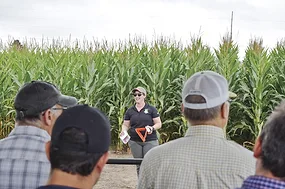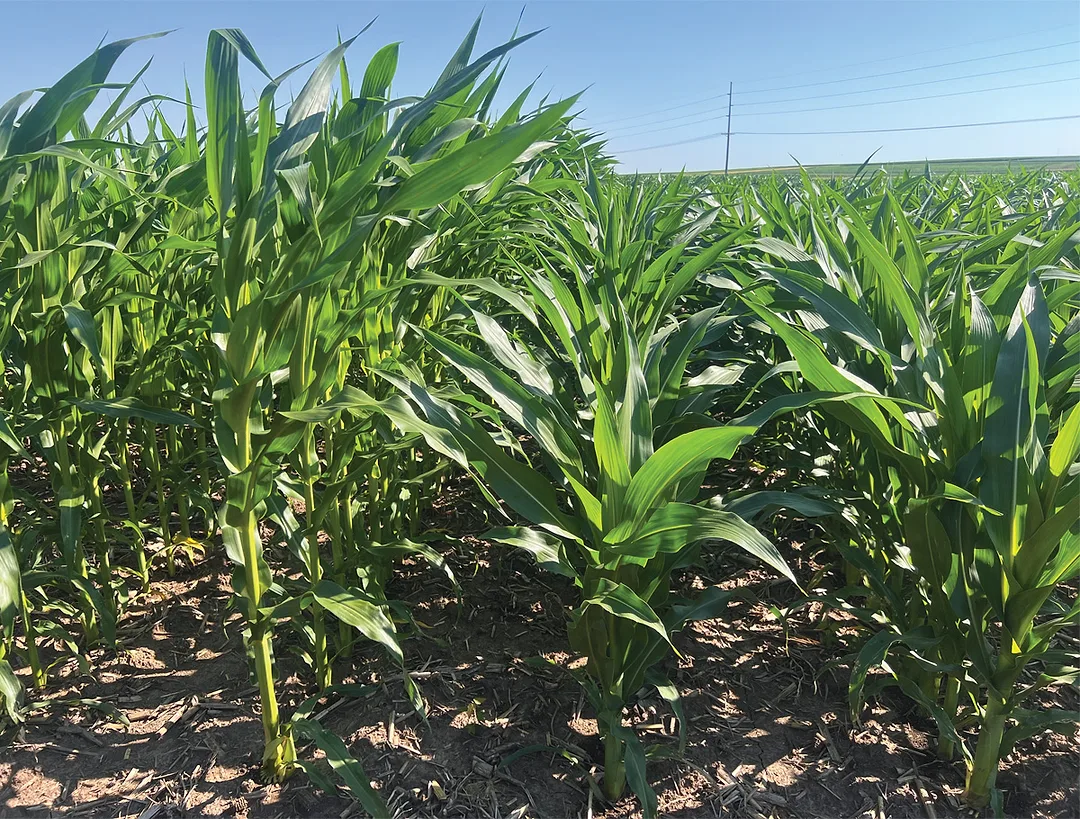
Short-stature corn hybrids are becoming a frequent topic of conversation among dairy producers and consultants. Short-stature hybrids aren’t novel in the silage production space; brachytic dwarf sorghum has been popular in the southern U.S. for many years now. It offers higher fiber digestibility and is less prone to lodging than traditional sorghum hybrids. Now these traits have resurfaced in corn silage hybrids, and many producers are wondering how they could fit into their silage programs.

Potential advantages
Current commercially available short-stature hybrids have shorter internodes between the leaves below the ear, making them slightly shorter compared to traditional hybrids. With less stalk between leaves below the ear, short-stature hybrids have a greater leaf-to-stem ratio, which drives the greater fiber digestibility of these hybrids. Furthermore, short-stature hybrids reportedly have thicker stalks compared to traditional hybrids, which some have speculated may also contribute to greater fiber digestibility. Short-stature corn hybrids may also have greater grain-to-stem ratios, which would increase starch concentrations compared to traditional hybrids.
Short-stature hybrids are especially promising for regions that experience high winds or intense storms, where traditional hybrids consistently experience problems with lodging. Lodged corn can make harvesting difficult and reduce corn silage quality as ears are lost, plants begin to die, more ash is taken in during harvest, and yields are reduced. Shorter plants with a thicker stalk would be more likely to stand up to high winds.
The greater nutritive value of short-stature corn hybrids may improve dairy cow productivity. Research from Michigan State University showed that cows fed corn silage made from short-stature hybrids had greater milk yields with no difference in intake compared to those fed traditional corn hybrids. In this trial, short-stature corn hybrids had similar concentrations of starch, similar or lower concentrations of fiber, with lower concentrations of lignin and greater in vitro fiber digestibility.
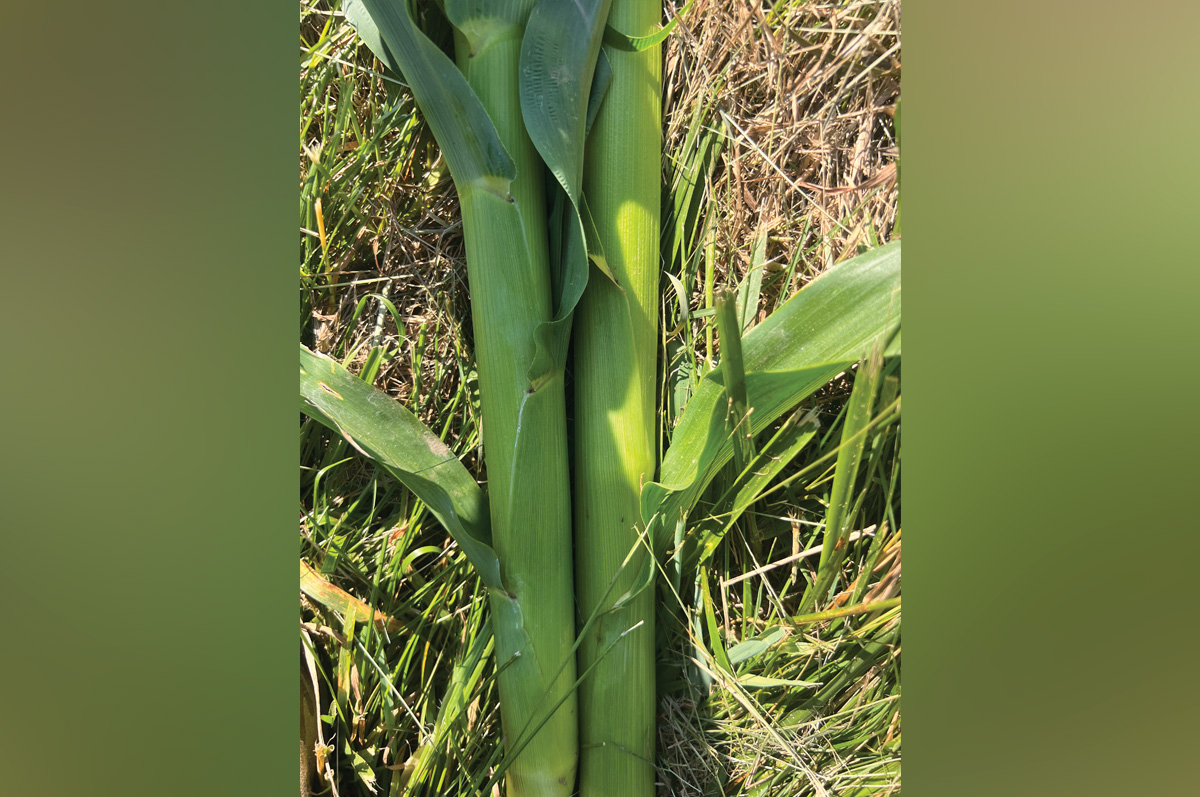
Internode comparison illustrates shortened stem sections in short‑stature corn, a key trait contributing to reduced overall height. Image by Harkirat Kaur.
Likewise, research from Italy showed that cows fed the European equivalent of short-stature corn hybrids in the U.S. produced more milk and ate less than cows fed traditional corn hybrids. Short-stature corn hybrids in this trial had greater starch concentrations and greater in vitro fiber digestibility, with lower concentrations of fiber and lignin. Neither trial observed an increase in in vivo total tract fiber digestibility when dairy cows were fed short-stature corn silage, despite having greater in vitro fiber digestibility when silage was analyzed in a laboratory. However, the greater productivity of cows fed silage made from short-corn silage highlights an increase in the energy provided by corn silage despite the lack of greater fiber digestibility in the dairy cows. Homegrown forages are usually the cheapest and highest-quality source of energy in dairy cow diets, so this research highlights the potential for short-stature hybrids in the dairy industry.
A common concern among producers is the potential for lower yields of short-stature corn hybrids. Logically, taller corn generally results in higher yields per acre, and more corn silage in the bunk is rarely a bad thing. Potential yield drag in short-stature corn hybrids is not well understood at this point, particularly since other agronomic practices may interact with yield potential of both traditional and short-stature hybrids. However, it is worth noting that in the two trials that evaluated short-stature hybrids, overall, those hybrids had yields similar to the conventional hybrids. There was some variation within the yield of the short-stature hybrids tested, although that was to be expected.
Planting and harvesting considerations
Some dairy producers experimenting with short-stature corn have increased planting density to offset the concern for lower silage yields. However, this practice and many other planting and harvesting strategies for short-stature corn are not yet supported by independent research. Producers looking to strike a balance between silage nutritive value and yields should consult their seed dealers, agronomists and nutritionists to evaluate what hybrids and agronomic practices would best fit their soil types and field conditions, management systems, limitations and production goals.
The leaves and ears of short-stature corn plants will be closer to the ground compared to traditional hybrids. Since leaves have more digestible fiber than the stalk and the ears contain starch that heavily contributes to the energy potential of corn silage, harvesters need to minimize the amount of leaves and ears left in the field. If harvesters are accustomed to harvesting traditional corn hybrids at cutting heights of 10 inches or more, they may need to decrease their cutting height for short-stature corn hybrids. Cutting heights of 6 to 8 inches have been suggested for short-stature corn hybrids to maximize the amount of leaves harvested and make sure no ears are left in the field.
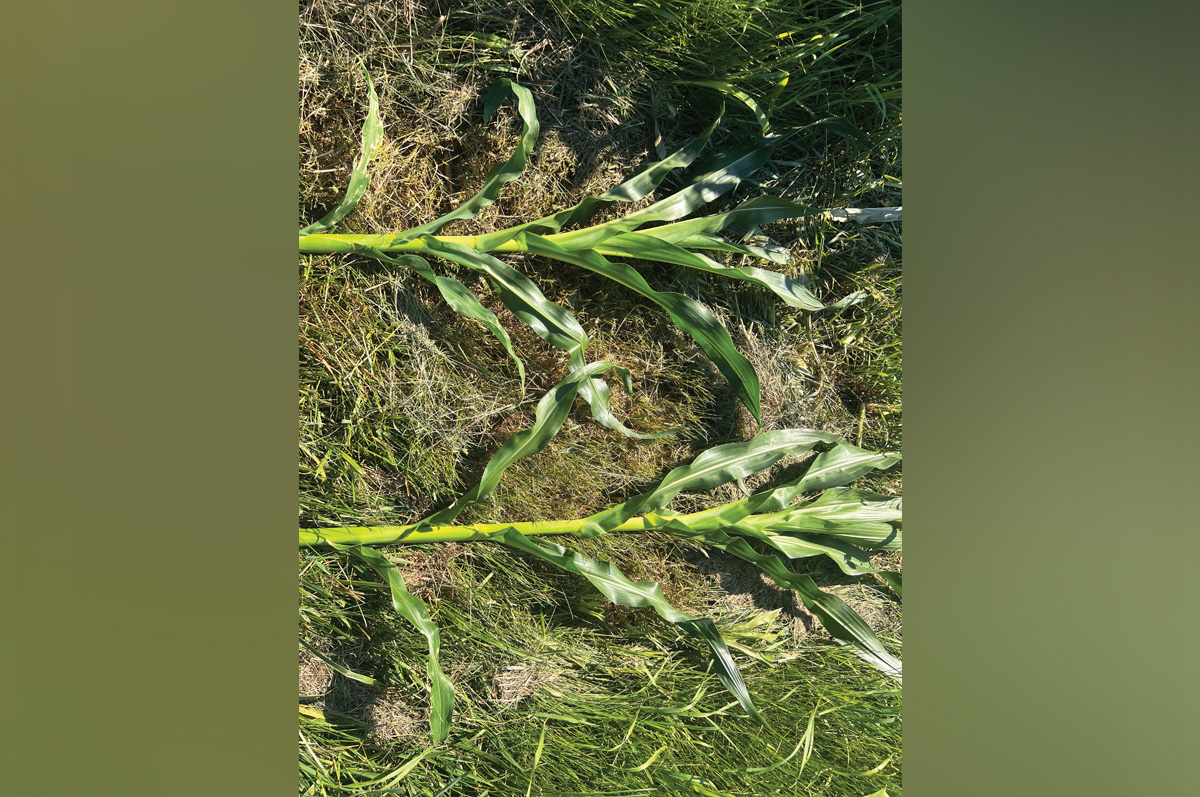
A side-by-side view of short‑stature and conventional corn plants highlights differences in total plant length and leaf arrangement. Image by Harkirat Kaur.
However, this decreased cutting height may be problematic from the viewpoint of custom harvesters. Many prefer higher cutting heights at harvest because it helps avoid obstacles in the field, including rocks and fallen branches. Uneven fields can also make harvesting at lower cutting heights difficult as the cutter head may scrape the ground.
To allow for lower cutting heights, some have suggested using rollers on the acres that will be used for short-stature corn to flatten the ground and push any rocks below the surface of the soil. Planting short-stature corn hybrids on the flattest ground and picking up rocks and tree branches can also help accommodate the lower cutting height.
Final thoughts
Short-stature corn hybrids are a promising technology that has the potential to improve silage quality in some corn silage programs. Further research, testing and hybrid comparisons are warranted to better evaluate how these hybrids perform agronomically and fit in silage programs. While that information develops, producers interested in short-stature corn hybrids should work closely with seed dealers and consultants to identify the best strategies to implement these hybrids into their silage programs. If possible, testing hybrids on a portion of their total ground planted in corn to evaluate initial performance is advised while also watching hybrid performance trials to compare agronomic factors and performance potential.
References omitted but are available upon request by sending an email to the editor.