We’ve all seen it. If you haven’t seen it, you’re probably not feeding ensiled crops to ruminants – high-producing lactating dairy cows or rapidly growing grow/finish feedlot cattle. What is “it,” you may ask? It's top-layer spoilage – that rind of discolored, decomposing feed often laden with yeasts, molds and mycotoxins on the top of your silage bunker or pile. Is it silage or compost?

Silage is simply forage or grain crops that have been harvested and stored in a manner to preserve nutrients by rapidly reducing the pH of the material via microbial fermentation. Optimal fermentation is an anaerobic process (occurring in the absence of oxygen) that goes through several phases to achieve a stable endpoint and preserve the maximum nutritional value of the feed. Compost, on the other hand, is a mixture of nitrogen- and carbon-rich ingredients with oxygen and water, to be used as plant fertilizer or to improve the physical, chemical and biological properties of soil. Aside from the obvious differences between the purposes for silage and compost, the primary difference is oxygen. Silage should be made in the absence of oxygen, whereas compost is made in the presence of oxygen.
Due to the difference in gas-filled porosity and oxygen in the top layer and the resulting nutrient degradation versus the core of a silage pile, the economic impact of top-layer spoilage in a silage pile can be significant. Spoilage typically results in losses of both quality and quantity, affecting the overall efficiency of feed utilization, which directly influences farm productivity and profitability. Here are some key points related to top-layer spoilage:
Loss of quality
- Nutrient degradation: The spoiled top layer of silage loses critical nutrients, such as carbohydrates, proteins and vitamins. This reduces the nutritional value of the silage, requiring the purchase of additional feed or supplements to meet animals’ dietary needs.
- Microbial contamination: Nutrient degradation and loss are functions of microbial contamination. When exposed to an oxygen-rich environment, yeasts, molds and other spoilage microorganisms thrive on the nutrients we are trying to preserve.
- Reduced feed intake: Animals may refuse consumption of spoiled silage, leading to reduced feed intake and potential problems due to inadequate nutrition.
- Decreased milk production or reduced growth rate/efficiency of gain: For dairy and meat-producing ruminants, substandard silage can result in lower productivity and increased feed costs, leading to financial losses.
- Suboptimal immunity: Mycotoxins consumed by ruminants can be detoxified in the rumen; however, high levels of mycotoxins can compromise the immune system, leading to various health issues. These may include an increase in somatic cell count, reproductive problems and other health complications indirectly caused by immune suppression.
Loss of quantity
- Dry matter loss: Spoilage results in a loss of dry matter from silage. Spoiled silage becomes unpalatable, often contaminated with yeasts, molds and mycotoxins, leading to increased discard of significant quantities of rotten silage or compost.
- Increased waste: Spoilage of the top layer of silage leads to greater waste, increasing the amount of silage that needs to be produced and stored, thus increasing production costs. In addition, removing spoiled silage from a pile takes time.
The economic cost of spoilage
The cost of spoilage depends on factors such as silage quality, pile size and storage duration. For example, in a large silage pile or bunker, the economic loss can range from 10% to 20% of the total stored feed, depending on the severity of spoilage.
Using some simple math: In a bunker silo that is 40 feet wide and averages 12 feet high, one foot of visible spoilage is a little more than 8% of the stored feed. If the visible spoilage layer is 18 inches thick, that amounts to about 12.5% of stored feed. One foot of visible spoilage across the top layer of a 20-foot-tall drive-over pile may approach 15% to 20% of stored feed.
These simple calculations do not account for the suboptimal feed quality immediately below the visibly deteriorating layer. How much nutrient loss or degradation, spoilage microorganism contamination and mycotoxin accumulation occur directly below the visibly spoiled top layer?
Indirect costs include the potential increased labor required for managing spoilage (e.g., removing spoiled layers) and purchasing alternative feeds to replace the losses.
The most important is safety! Discarding spoiled silage from the top layer of most piles is simply not safe.
Mitigation strategies
- Effective packing: Ensuring the silage is compacted well minimizes oxygen penetration and reduces the risk of spoilage. Well-packed silage has less gas-filled porosity, which helps maintain anaerobic conditions and prevents the growth of undesirable aerobic spoilage organisms such as yeasts and molds.
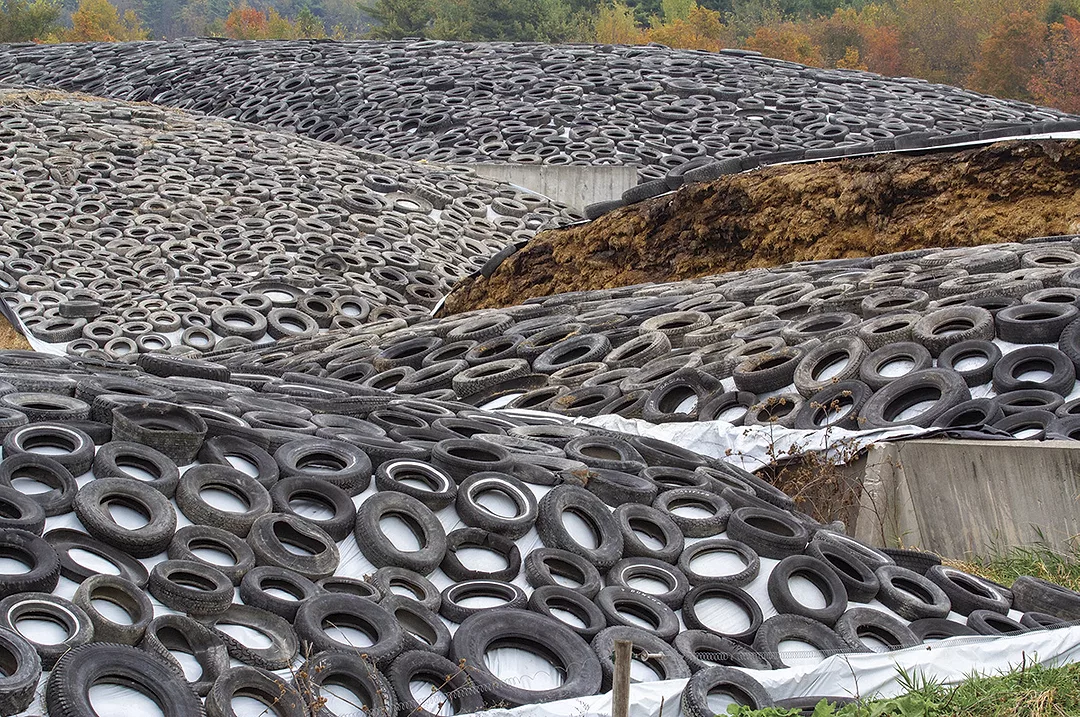
- Proper covering: The top layer should be sealed with a strong black/white plastic cover, preferably weighted down with tires or other materials to minimize exposure to air. The use of an oxygen barrier film between the silage and black/white plastic can effectively reduce or eliminate the proliferation of yeasts and molds, resulting in quality silage across the top layer.
- Use of silage additives: Adding science-based, research-proven bacterial inoculants can help accelerate fermentation, reduce pH more quickly and inhibit the growth of spoilage organisms. This is true both for the core of the pile or bunker, as well as for the top layer. Antifungal chemicals can help prevent the growth of molds and yeasts, particularly in drier silage, which is more susceptible to aerobic spoilage. An antifungal chemical combined with a bacterial inoculant has been shown to significantly reduce the growth of yeasts and molds when applied with or without oxygen barrier film, reducing dry matter losses.
- Exposure to oxygen: Minimize the exposure of silage to air during opening and feeding the pile by maintaining the leading edge of plastic at the face secured with tire sidewalls or sandbags. This helps minimize the billowing of the plastic, which allows air to penetrate deep into the silage, exposing otherwise preserved silage to oxygen and initiating spoilage.
While spoilage of the top layer of a silage pile can have significant economic consequences, especially in terms of feed quality and quantity, proper management and mitigation strategies can reduce these losses. Effective packing, proper covering and the use of science-based, research-proven mitigation products (bacterial inoculants and antifungal chemicals) are essential practices to minimize spoilage and the associated costs. By managing silage storage properly, farmers can ensure a more hygienic, palatable, nutritious and cost-effective feed source for their livestock. Remember to always ask yourself the question: Is your goal to make silage or compost?