A farm can be a dangerous place. There is heavy equipment, animals, rough terrain and fluctuating weather that can add additional complications to an already long and exhausting day. Add to this the fact that most farms are in remote areas and are isolated from emergency services. All these factors create a need to be better prepared to handle emergency situations that may arise.

First-aid stations
The first-aid station should be located in a spot that is easy to find and easily accessible for prompt treatment at all times.
Each first-aid station must have:
- A noticeboard displaying:
- The Workplace Safety and Insurance Board (WSIB) poster, known as Form 82
- Valid first-aid certificates of the trained workers on duty
- A first-aid kit inspection card (kit must be inspected at least quarterly)
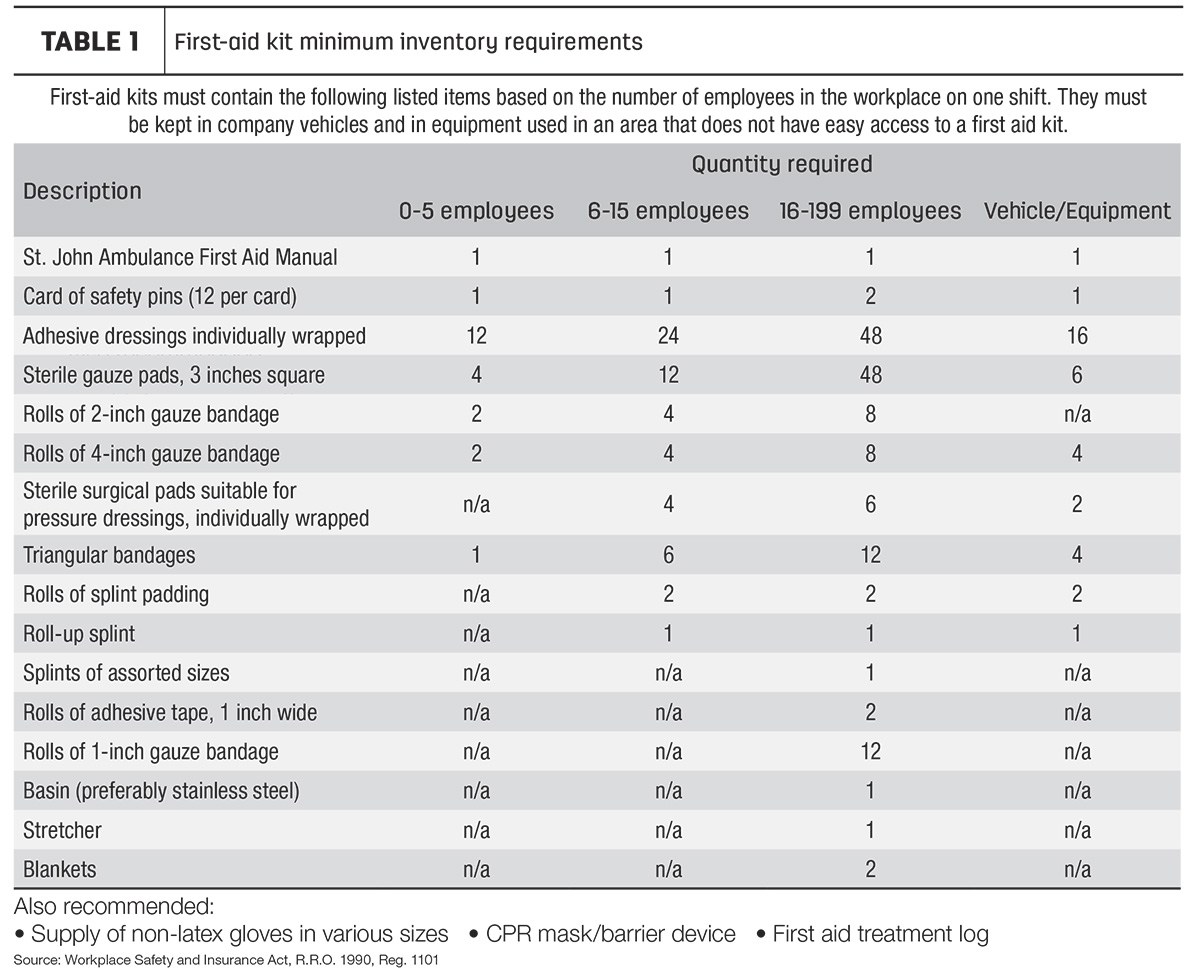
- A first-aid kit containing the minimum items required by the WSIB Act, R.R.O. 1990, Reg. 1101 (Table 1)
- A person who holds a valid first-aid certificate, works in the immediate vicinity of the kit, performs inspections and ensures the kit is properly stock
Defibrillators
Farms can be located far away from hospitals, and ambulances may have difficulty arriving in a timely manner. When your farm is presented with a cardiac event, time is of the essence.
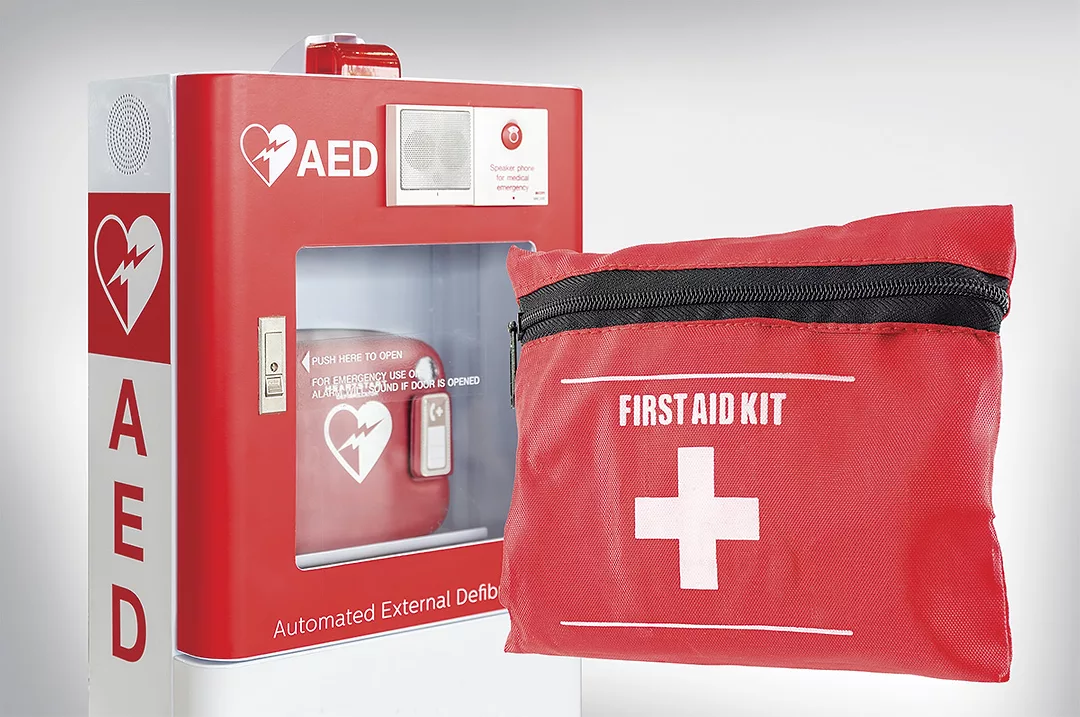
Automatic external defibrillators (AEDs) are critical for situations involving cardiac arrest. If someone is having a heart attack or is unresponsive due to a sudden irregular heartbeat, quick access to an AED can be the difference between life and death. Steps for using an AED are included in Figure 1.

In order to be prepared in an emergency, it is important that farm owners, family members and employees receive regular training on CPR and how to properly use an AED.
Living a healthy lifestyle
The best way to stay healthy both physically and mentally is to live a healthy lifestyle. This includes eating a balanced diet that is rich in whole foods including fruits, vegetables, lean proteins and whole grains. Meals rich in omega-3 fatty acids and vitamins help reduce inflammation and promote brain function. Avoid greasy or heavy foods, smoking and excessive alcohol consumption.
Proper hydration is key. Farm work is hard and physical, so dehydration is a risk. Pay extra attention to your hydration levels when working in the heat. Always have water on hand, and be sure to replenish your fluids regularly. Do not wait until you are thirsty to start to rehydrate. Always stay hydrated throughout the day.
Make sure you get plenty of sleep. Farmers work hard and require proper rest. Lack of sleep can hinder your physical and mental well-being. Throughout the day, ensure you are taking breaks. Working on a farm can be stressful, and taking regular breaks can help reduce mental fatigue and stress levels.
Living a healthy lifestyle is important to living a long and healthy life; however, other factors such as genetics and environment can be a factor in determining your lifespan. In the event that a medical emergency does occur while on your farm, it is important to have a medical emergency plan in place. Having a fully stocked first-aid kit, defibrillators and people who are able to use both are key to keeping everyone safe and healthy on your farm.