While many of us are experienced with pumping manure from lagoons to fertilize the soil, it is essential to remain vigilant around these dangerous environments. In this article, we will examine the key hazards and safety protocols associated with manure pits and related equipment.

Be aware of the hazards and risks
Manure pits, tanks, basins, ponds and lagoons present a variety of potential dangers.
- Risk of falling and drowning. Workers and equipment operators face the risk of falling into manure storage areas. The edges of basins, ponds or lagoons can appear deceptively solid or become hidden from view, particularly in low light conditions or poorly lit areas. Tractors or other vehicles may also inadvertently drive into these spaces. Workers on push-off platforms or ramps, or those walking near pit boundaries, are also at risk of falling into the manure. Furthermore, unstable or poorly maintained ladders can contribute to accidents.
- Manure gases that can suffocate, poison or ignite. Stored manure releases harmful gases, including hydrogen sulphide, carbon dioxide, methane and ammonia, which consume oxygen and can quickly overwhelm workers without warning. Conditions around manure pits may be safe one day and hazardous the next. Relying on past experiences or your sense of smell is insufficient for detecting manure gases. High concentrations of gases are often released when manure is disturbed during activities such as pumping or agitating. In warmer temperatures, gas production increases and certain gases, like methane, pose an explosion risk.
- Moving parts on machinery and equipment. There are significant risks of injury when working around manure pumps, agitators and other rotating machinery. These moving parts can cause severe injuries, including amputations, broken bones or crushing injuries. Loose clothing, long hair, jewelry or body parts can easily become entangled.
- Bacteria and other pathogens. Manure, whether solid or liquid, harbours harmful pathogens that can cause infections and illnesses. Exposure through splashes in the eyes or mouth can lead to serious infections.
Preventing drownings
To minimize the risk of drowning, consider the following preventive measures.
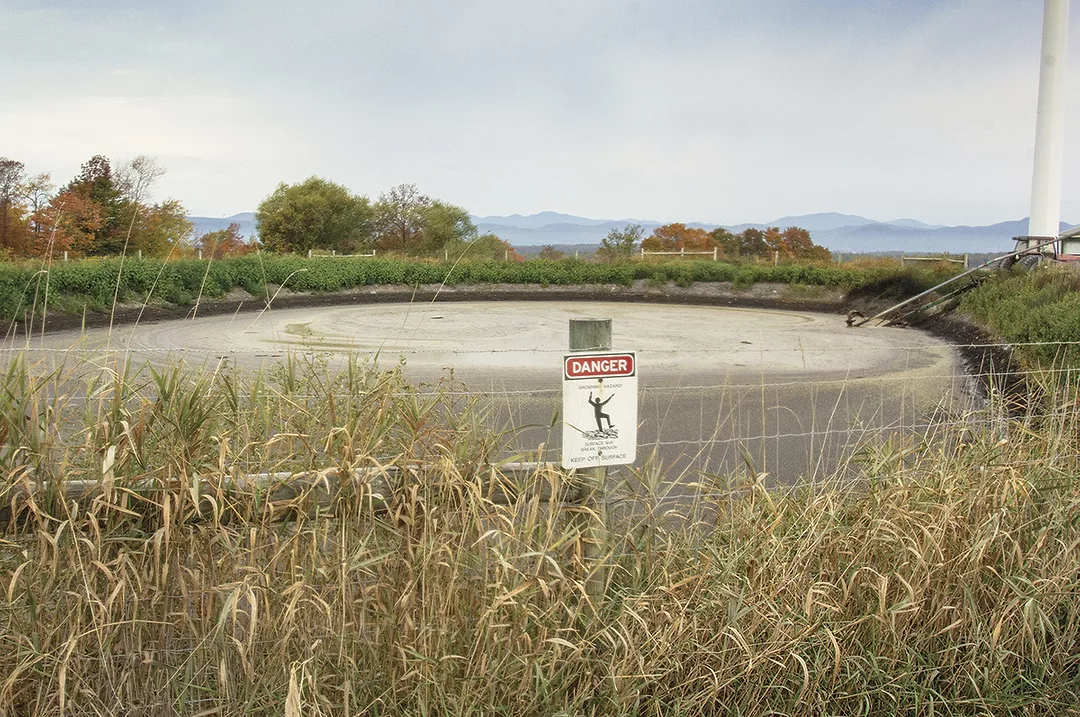
- Clearly mark boundaries. Ensure that the boundaries of manure pits, ponds, basins and lagoons are clearly visible. Safely fence or block off these areas to prevent unauthorized access. Secure gates and access points, and install safety covers for tanks and manure pit openings to keep people out.
- Post warning signs. Clearly mark manure storage areas with reflective tape or bright paint to enhance visibility, especially in low light conditions.
- Emergency planning. Have a detailed plan for rescue operations in case of an emergency. Rescuers must be specially trained and equipped and follow all relevant safety procedures to avoid becoming additional victims.
Preventing manure gas deaths
Effective ventilation is crucial to prevent gas accumulation. Mechanical ventilation may be necessary to replenish oxygen in areas where workers must enter manure storage. Before entering pits, tanks or other confined spaces, ensure that oxygen levels and hazardous gases, such as hydrogen sulphide and methane, are measured. Use calibrated gas monitoring equipment to test for dangerous gas concentrations, including the lower explosive limit (LEL). Always follow established procedures for gas monitoring and ensure workers are trained in the safe entry process.
Preventing other injuries and illnesses
- Mechanical injuries. Ensure that all machinery used around manure pits, such as pumps and agitators, has proper barriers or guards in place to cover moving parts. Train workers to understand how the equipment works and review lockout/tagout procedures to safely start, use, shut off, unclog, clean, repair and service the machinery. Provide necessary safety equipment and ensure that all employees understand the protocols for safe machine operation.
- Pathogen exposure. When working with manure, proper personal protective equipment (PPE) is essential. PPE may include eye protection, face shields, coveralls, gloves and protective footwear. These safeguards will help prevent pathogens from coming into contact with skin, eyes and mouth. Workers should follow proper handwashing techniques and hygiene practices to limit contamination risks.
Safety during manure agitation
During manure agitation, be especially cautious.
- Avoid entering the barn. Do not enter the barn while manure is being agitated in the pit below. Instruct workers and all visitors to stay clear of the area while the manure is being pumped or agitated.
- Lockout tags. Use lockout tags to notify everyone on the farm that agitation is taking place.
- Ventilation. Set the barn’s ventilation system to maximum capacity and adjust the fresh air inlets to ensure optimal air movement. Do not open windows or doors that are not part of the normal ventilation system, as this could create stagnant air pockets with little or no air movement.
Foaming manure warning
If the manure is foaming, be aware that it contains high levels of methane. Agitating the foam can cause a dangerous buildup of methane in the barn, increasing the risk of fire or explosion.
Personal protective equipment (PPE) for pit entry
If entry into a manure pit is absolutely necessary, the following PPE must be worn:
- Self-contained breathing apparatus (SCBA) for fresh air
- Safety harness with lifeline
- Eye protection and face shields
- Coveralls, gloves and protective footwear
It is essential that at least two other workers are present to assist in a rescue if necessary. Rescuers must also wear proper breathing equipment to avoid becoming victims themselves. Prior to any worker entering the pit, the team should discuss and document emergency procedures, and each worker should sign off on the safety protocol.
Signage and communication
To further enhance safety, post clear and visible signage around manure pits to serve as a constant reminder to workers and visitors. Signage should include warnings about the potential hazards, as well as safety instructions. Make sure all individuals on the farm are aware of and understand these safety measures.
By following these detailed safety protocols and maintaining a proactive approach to hazard prevention, agricultural operations can greatly reduce the risks associated with manure pit safety.