Alfalfa is one of the major forage crops in the western U.S. Many farmers and ranchers buy seed from companies that offer new varieties that have been selected for production, hardiness and, in some cases, their ability to withstand grazing. Farmers in many states produce seed for these companies.

Shane Johnson, executive director of the Western Alfalfa Seed Growers Association (WASGA), says this grower organization serves eight Western states: Idaho, Washington, Oregon, California, Montana, Nevada, Colorado and Wyoming.
“We have an annual conference and our purpose is education, research updates, market overviews, etc.,” says Johnson. “We also maintain political relationships to help our producers with things like chemical registrations or market access. Much of that is now handled by the National Alfalfa and Forage Alliance, however.”
WASGA has become mainly an education/outreach group for growers, so they can become better producers of alfalfa seed. Farmers in different regions grow different types to meet the needs of those regions and climates.
“Alfalfa hay is produced in nearly every state, requiring types that fit those environments – dormant and non-dormant, and the whole range in between,” says Johnson.
Chair of the WASGA is Paul Rasgorshek, a seed grower near Nampa, Idaho.
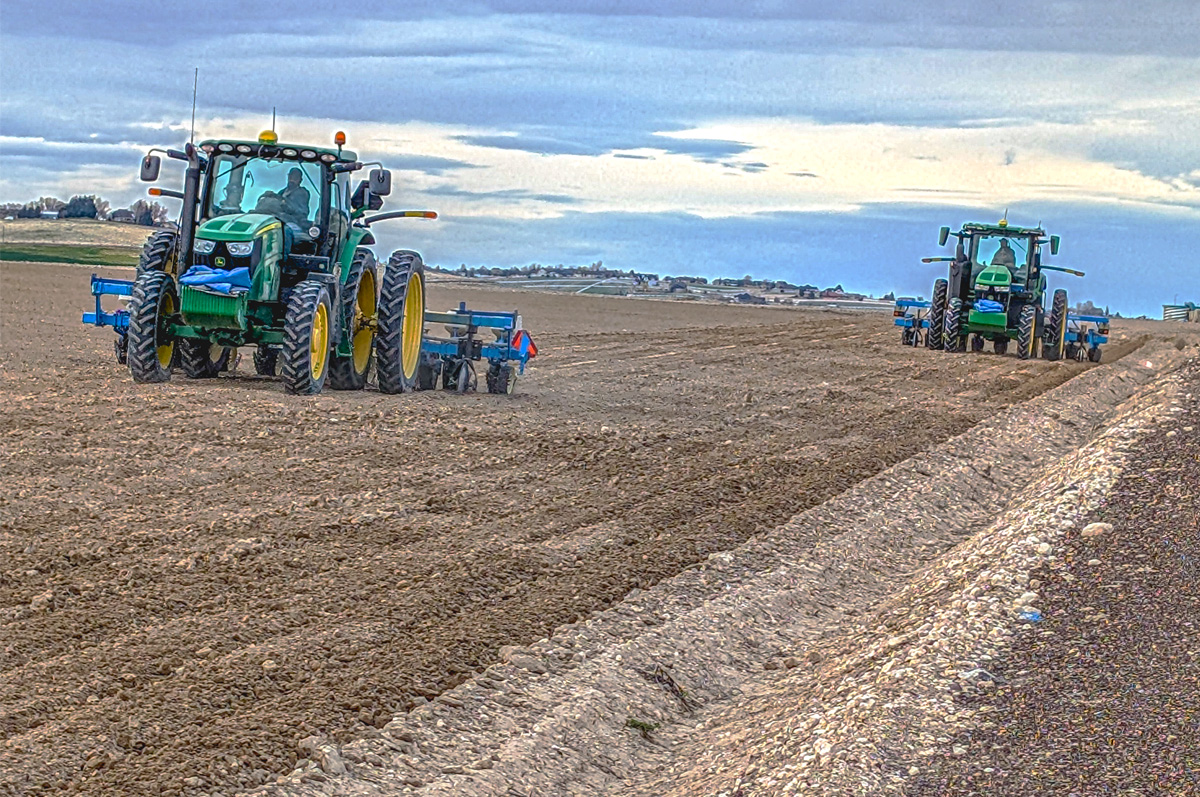
Early in the spring, Paul Rasgorshek is planting hay seed. Image provided by Paul Rasgorshek.
“The WASGA supports research like the bee lab at Logan, Utah, and the money for research is from the federal government and our association funds,” says Rasgorshek. “WASGA helps select research projects, obtains information from those studies and gets it back to the growers.”
He adds that they work with the U.S. Environmental Protection Agency (EPA) to keep the chemicals that are crucial to seed production – to combat harmful insects, spider mites, lygus bugs or aphids.
“We need chemicals that inhibit these pests but are safe for the pollinators that our seed crops depend on,” says Rasgorshek.
WASGA and the state groups belong to the National Alfalfa and Forage Alliance, as do seed companies and hay equipment manufacturers. Seed growers depend on pollinators, so U.S. seed growers also have a good relationship with Canadian bee producers, who attend the WASGA Winter Seed Conference.
“We rely heavily on leafcutter bees from Canada to help pollinate our crops,” adds Rasgorshek. “The alfalfa seed industry is small and shrinking – alfalfa acreage is decreasing across the country.”
Rasgorshek adds that dairies are feeding more triticale and silage, and using other supplements to make up what alfalfa hay provided, but he still believes that alfalfa is best for the health of the cow; it’s an excellent forage, but it’s being replaced in many dairies.
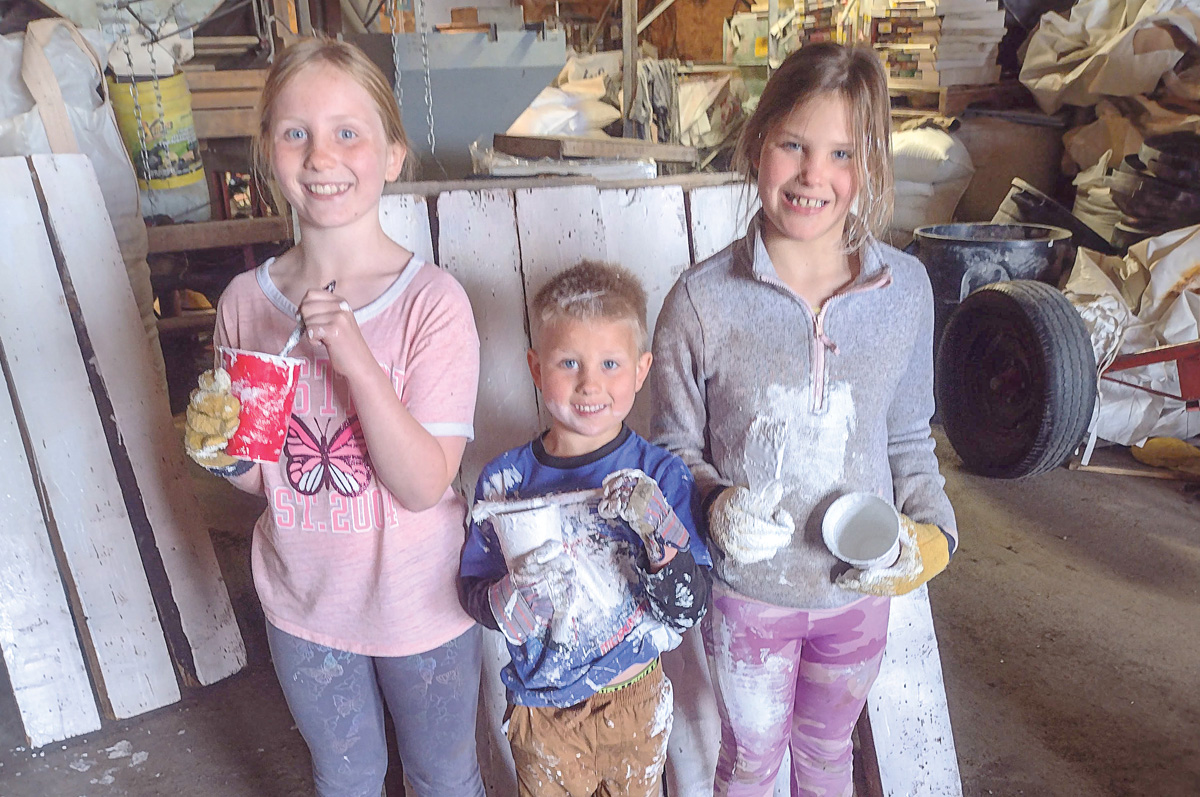
Ernie Johnson's grandchildren are busy painting bee boards. Image provided by Ernie Johnson.
“There used to be more acres of alfalfa seed, but we can’t produce more than the market demands,” says Rasgorshek. “We grow for seed companies like Forage Genetics, which is owned by Cropland, and for Allied Feed, Legacy Feed, etc. – they do the marketing; we simply have a contract to grow proprietary varieties for them. We don’t sell the seed ourselves.”
Mark Wagoner, a seed grower near Walla Walla, Washington, is the WASGA representative from Washington to the National Alfalfa and Forage Alliance. He says California dairies don’t feed much alfalfa anymore; they feed things such as almond hulls, corn silage and a lot of byproducts from food processors.
He explained that in 2002 when they started the National Alfalfa and Forage Alliance, they had four major genetic suppliers – Cal West, Pioneer, Dairyland and Forage Genetics. Now, there is just one major seed company – Forage Genetics – the one that developed Roundup Ready Alfalfa and HarvXtra, which allows more flexibility at harvest.
“This has been a good thing for growers who deal with adverse weather conditions,” Wagoner says.
Hayes Goosey, an assistant professor and extension forage specialist for Montana State University, says WASGA has several growers in Montana.
When selecting seed, Goosey says you need to pay attention to fall dormancy rating. The lower the fall dormancy, the less regrowth you get, and the higher the fall dormancy, the more regrowth. Northern Montana, near the Canadian border, is mostly Zone 3. The rest of the state is Zone 3 to 4, and southwestern Montana might get into a Zone 5. This determines how quickly it goes dormant, protecting the plants from early spring frost by not greening up too soon or from early fall frost when the plant has not yet built up sufficient root reserves.
Some ranchers select alfalfa types that have fewer issues with bloat. There are also Roundup-ready varieties, and some grazing-tolerant cultivars. Some producers only grow hay, but many have cattle and want to graze the aftermath after the final hay harvest.
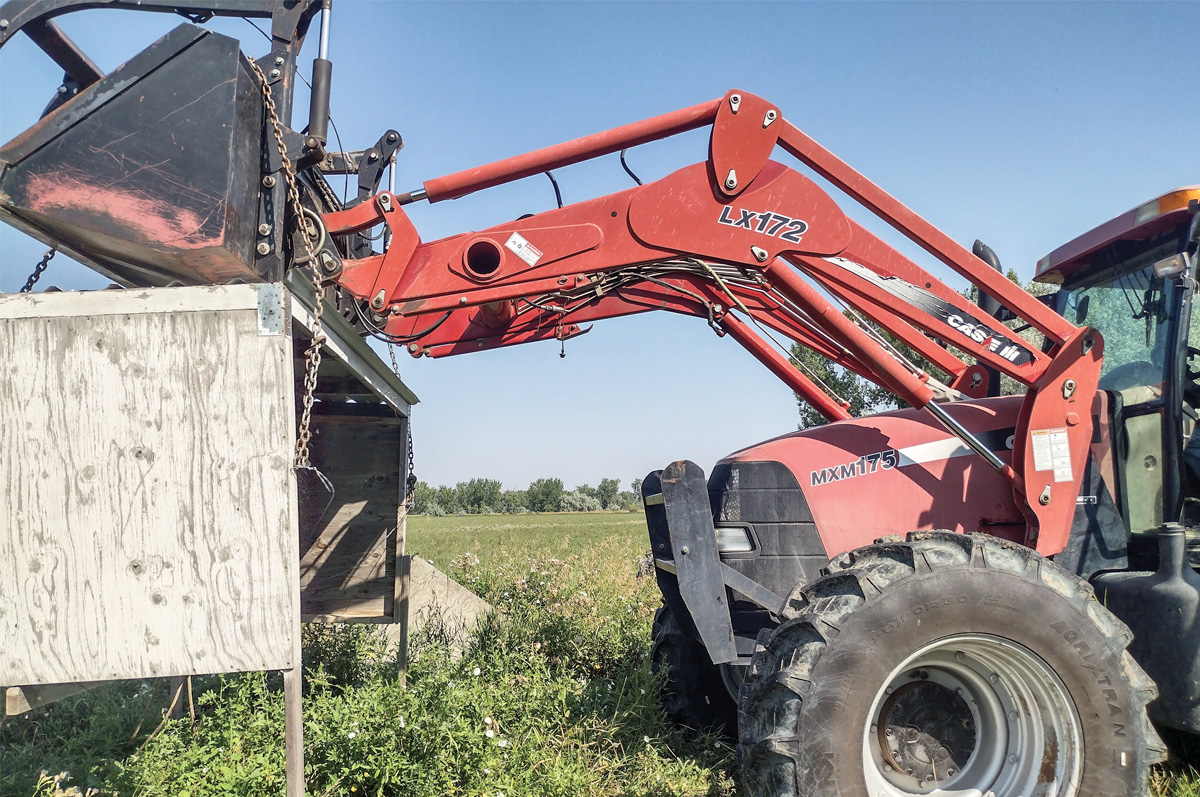
Ernie Johnson uses a tractor to assist in moving his bee shelters. Image provided by Ernie Johnson.
“Those types of alfalfa have less problem with split crowns; the crown is below the soil surface a little, so there’s less detrimental impact from hoof action,” Goosey explains, and says that there are fewer issues with root rot and diseases that get in through a split crown.
The WASGA Montana delegate is Ernie Johnson, a farmer who grows cultivars that do well in that region. Johnson has grown alfalfa seed for 43 years in the Milk River area of Montana.
“Originally, we grew seed for the big companies,” says Johnson. “Then it became increasingly difficult to get contracts. Now, we market our seed ourselves, growing certified public varieties rather than proprietary varieties from seed companies.”
Johnson grows varieties adapted to this region and says it’s important to have varieties that are winter hardy and can stand grazing pressure. He has always grown certified public varieties.
“Anyone can raise those, as long as they plant foundation seeds and get the fields inspected, working through the Montana certification process,” says Johnson. “We have a good system in place, and all the states do, to protect the quality and integrity of the business and the product.”
Pollinators
Honeybees are unable to pollinate alfalfa so the blooms can make seeds, but leafcutter bees that are native to Europe and raised in Canada can do the job, as can native alkali bees that live in a few arid regions. Most seed growers rely on leafcutter bees and purchase them from Canadian suppliers.
“Many growers, including us, get new bees each year. We like to get new ones because the Canadian suppliers have about twice as many bees per board,” says Rasgorshek, explaining that this reduces the amount of boards that you must move. They buy new bees each winter and incubate most of their own bees and hire another party to incubate the others – this reduces their risk.
They start incubating their leafcutter bees in late April so they have them ready for their hayfields by June 1. The bees are incubated for 21 days at 86ºF, and then in another 21 days, they are hatched and ready to go. Some people put the bees out and let Mother Nature warm them. For Rasgorshek’s operation, however, they incubate them to make sure they can be out on crops by June 1.
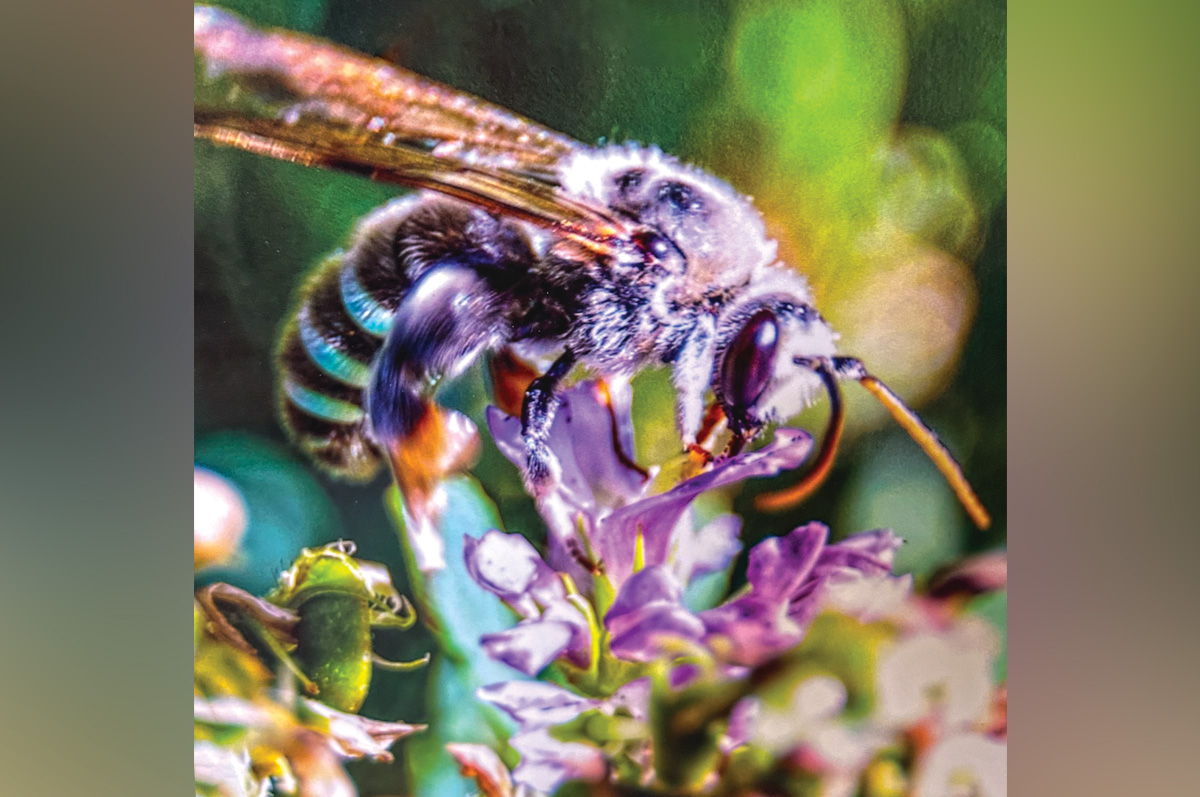
“Pollination at the right time is crucial,” he adds.
Rasgorshek does all the spraying for pest insects at night, after the bees are in their shelters, using chemicals that last only a short time in the environment and are gone by morning when the bees start flying again.
Leafcutter bees get a disease called chalkbrood disease, a serious fungal infection that affects leafcutter bees – the fungus attacks and kills bee larvae.
“To control this disease, you must use a certain sanitation process in the bee nests,” says Johnson, and adds that they bring in clean Canadian bees and replace them every year. He nests the bees in what he calls a solid-block system, so he doesn’t have to take the bee larvae out of the nesting material – a time-consuming and delicate process – to make sure the bees are not smashed.