Effective feedout goes beyond simply removing the plastic, tires and defacing the silo – it is about preserving quality and maximizing return on investment. Without proper management, silage can spoil quickly, leading to unnecessary waste, reduced feed efficiency and potential for digestive issues for your herd.

Maintaining quality isn’t just about preventing spoilage – it is also about ensuring palatability. Much like humans, cattle won’t eat well what doesn’t taste or smell good. If forage is low-quality going into the ration, the end result will be decreased nutritional value, reduced intake and poor performance. That is why hygienic silage management practices, including during feedout, are essential.
A clean feed approach starts with research-backed forage inoculants to protect silage from damaging microbes. It also includes solutions that can aid fiber digestion and ultimately feed efficiency. However, even the best microbial solutions can’t compensate for poor silage management practices. By following hygiene protocols, producers can reduce or prevent spoilage, maintain the original feed quality and improve herd performance.
Hygienic practices for silage feedout
1. Control water run-off around the silage pile
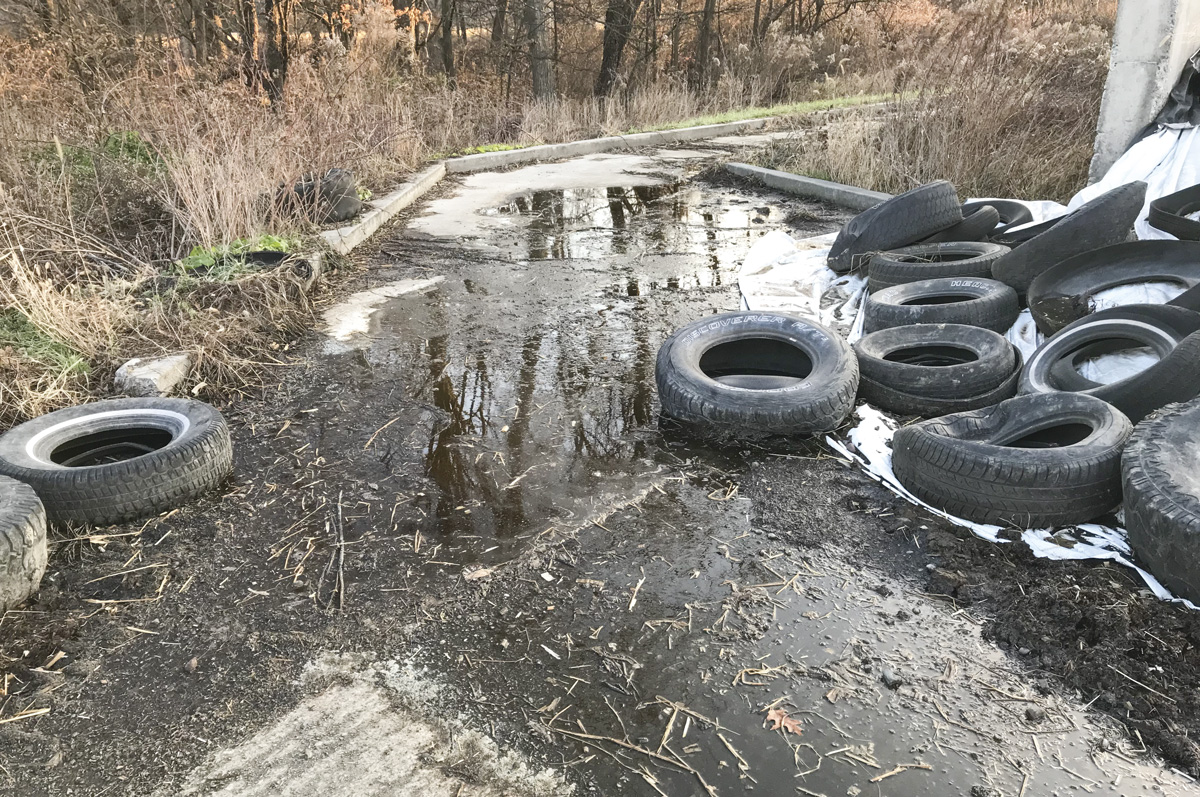
Water is one of silage’s biggest enemies. Uncontrolled run-off can introduce unwanted moisture and contamination, leading to spoilage and nutrient loss. Ensure that surface water is directed away from the pile by grading the area around the silo and using drainage solutions such as ditches or gravel trenches. Keeping the feedout area dry helps preserve silage integrity and reduces the risk of dangerous bacterial contamination.
Courtesy image.
2. Use proper defacing technique and drop pile management
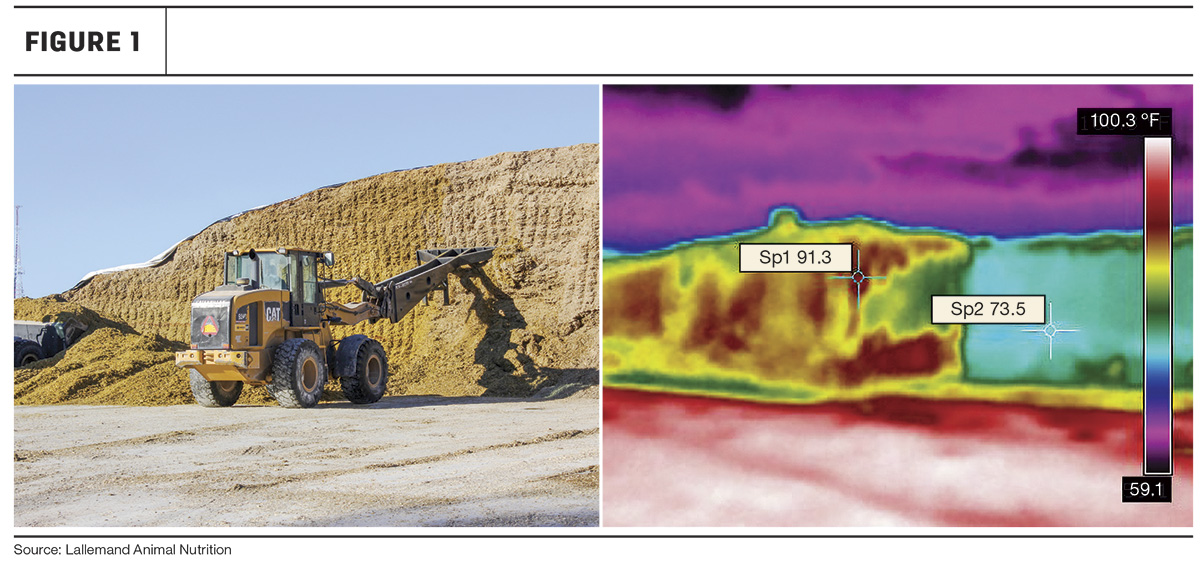
How you remove silage from the face of the pile significantly impacts its stability. Defacing should be done in even layers using a silage rake or defacer instead of a bucket loader, which can create deep fractures that allow air penetration and accelerate spoilage. Deface the entire area of the silo; avoid “block cutting” silo faces (Figure 1). Only remove silage for daily use. Letting silage be exposed to oxygen increases the risk of heating and nutrient degradation, ultimately negatively affecting animal intake and performance.
3. Maintain the correct feedout rate
An appropriate feedout rate is crucial to minimizing aerobic spoilage. The recommended removal rates vary by season:
- Summer: 10 to 12 inches per day
- Winter: At least 6 inches per day
During warm weather, microbial activity increases, making silage more prone to spoilage. Advancing through the silo quickly ensures fresher feed with higher nutritional value; proper pile design will allow for an adequate feedout rate. If the feedout rate is too slow, silage exposed to air will allow the spoilage organisms to take hold; the silage will heat, leading to dry matter and nutrient loss and reduced palatability.
4. Avoid feeding spoiled silage
Silage from the top layer and sides of the pile are harder to pack tightly to exclude all air, and thus more susceptible to spoilage. Feeding this compromised material to livestock can reduce intake and milk production while increasing the risk of health issues such as acidosis and mycotoxin exposure. Research demonstrates animals consuming feeds contaminated with high populations of spoilage yeasts often experience reduced fiber digestibility (NDF-D). Early studies indicated that incorporating just 5% spoiled silage into a ration decreased NDF-D by 7.2 points. A decade later, Dr. Limin Kung’s research found high levels of spoilage yeast (Candida valida) resulted in a 10-point decrease in NDF-D – nearly a 23% reduction compared to control TMR samples. A one-point reduction in NDF-D can equate to a loss of 0.4 to 0.55 pound of fat-corrected milk (FCM) per cow daily.
5. Dedicate loader buckets to forages and feed
Cross-contamination is another potential control point for silage hygiene. Loader buckets used for manure, bedding or other non-feed materials should not be used for handling silage. Dedicated buckets for forage and feed commodities prevent contamination from harmful microorganisms or foreign materials, ensuring a safer and cleaner feed source.
The cost of poor hygiene: ROI of silage quality
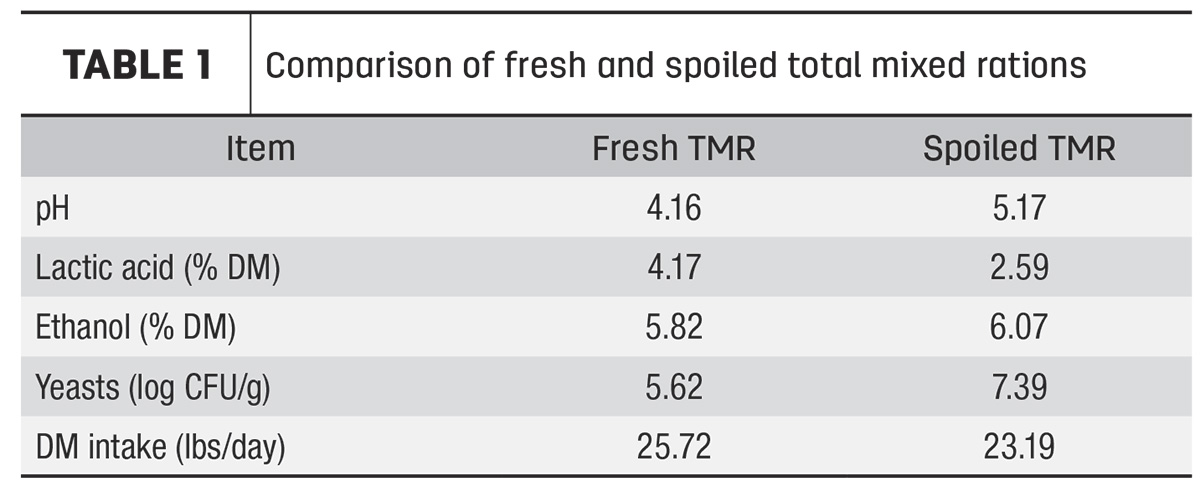
Spoiled silage isn't just a feed quality issue – it has real financial implications. Silage with excessive spoilage has low fiber digestibility, meaning cows extract fewer nutrients from the feed; furthermore, they consume high populations of undesirable microbes such as spoilage yeasts and the detrimental compounds they produce, leading to poor performance and health hazards (Table 1). The same group showed that incubating a TMR spiked with log 6.4 of the yeast C. krusei per milliliter of rumen fluid reduced the 12-hour NDF-D by 3.2 points (7.2%) compared to “negative control” – which still contained log 2.5 of the yeast per milliliter. Implementing proper hygiene practices ensures you are maximizing your investment in high-quality silage.
Silage safety: A final reminder
Beyond feed quality, silage safety is a critical consideration. Large piles and bunker silos pose risks of collapse, which can be fatal to workers. Always follow safety protocols:
- Keep people and equipment away from the silage face unless necessary.
- Never undercut the silage face.
- Use proper removal techniques to prevent instability.
- Be aware of silage gas exposure risks, especially shortly after sealing.
Maintaining good hygiene at feedout doesn’t just improve cattle performance – it protects your investment, enhances operational efficiency and safeguards the well-being of both livestock and farmworkers. By focusing on these key management areas, you can ensure your silage stays fresh, nutritious and profitable.
References omitted but are available upon request by sending an email to the editor.