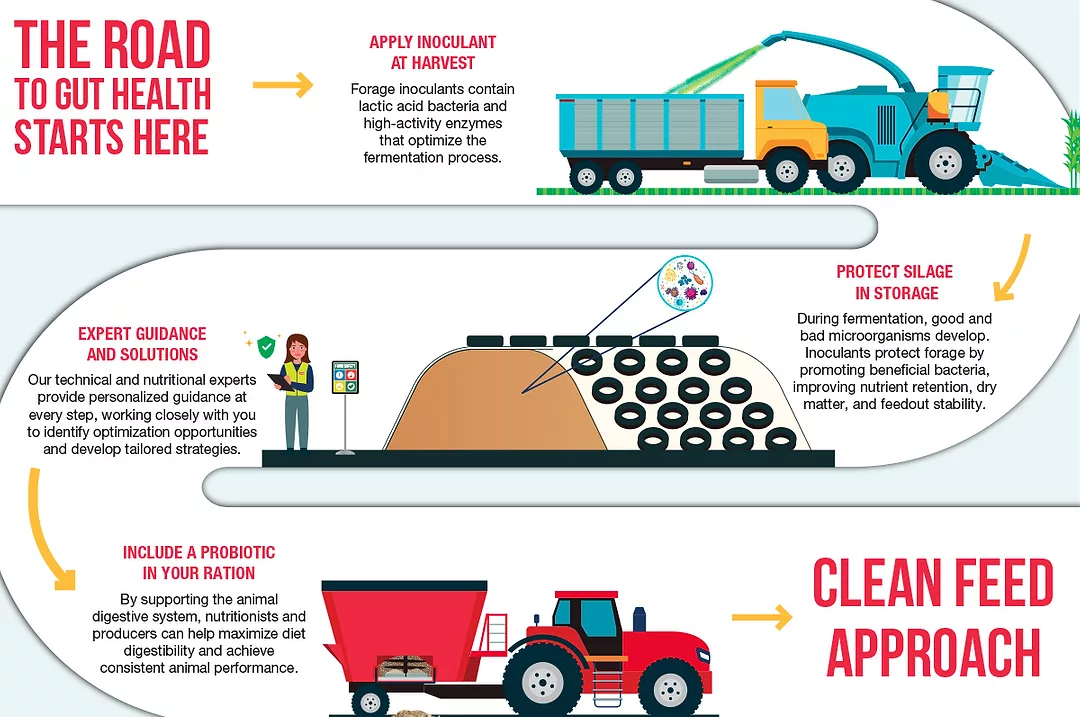
As temperatures warm up during spring, the challenges of maintaining feed quality shift. During the winter months, cold temperatures help keep yeast, mold and bacteria under control. But as the weather changes, these microbes begin to increase activity, increasing the risk of spoilage, heating and nutrient loss, all of which can negatively impact your herd's performance and profitability. Although you can’t control everything in the field, adopting a clean feed approach ensures that your feed remains high-quality from harvest to feedbunk by focusing on three key pillars: forage inoculants, hygienic practices and in-feed solutions.

Forage inoculants
Take note of the challenges you're encountering during the growing season so that when it's time to select an inoculant for this year's crop, you can make an informed decision. For example, if you're facing a high-fungal challenge during the growing season and aerobic stability is a concern, or if you're low on inventory and need to open a new pile quickly after harvest, choosing the right inoculant is vital.
A clean feed approach starts with a research-backed forage inoculant to accelerate fermentation, rapidly lowering pH and helping reduce spoilage – preserving silage properly while maintaining its nutritional value. In addition, inoculants help reduce dry matter (DM) and nutrient losses during storage, maximizing return on investment. With good management, normal fermentation with little to no spoilage results in a 6% to 7% DM loss, while poor management can lead to losses of 20% to 30%, depending on factors like crop conditions, harvesting timeliness, packing, weather and covering. On average, inoculants can reduce spoilage by up to 5% and good management practices can save another 5-10%.
With management strategies and research-backed inoculants, such as strains like Lactobacillus hilgardii CNCM I-4785, farmers can optimize silage preservation and provide their cattle with consistent, high-quality nutrition year-round. This strain, in combination with Lactobacillus buchneri, allows the producer to open the silo earlier (15 days) with improvements in aerobic stability. This ultimately supports profitability, animal performance and sustainability by maintaining optimal feed quality throughout the storage period.
Hygienic feeding practices
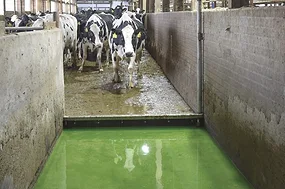
Spring introduces additional challenges with mud and moisture from melting snow and rain. To avoid contamination and spoilage, producers and those working around the pile should look to implement the following hygienic on-farm practices.
- Prevent total mixed ration (TMR) contamination: Ensure equipment stays clean and avoid dragging mud and debris into the TMR, which can introduce non-nutritive inorganic matter, harmful bacteria and other contaminants.
- Protect from moisture: Minimize excess moisture in the feed alley, as wet conditions can accelerate spoilage and increase refusals at the bunk. Pay attention to runoff, condensation and other seasonal moisture sources.
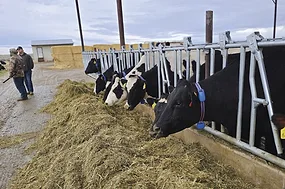
- Monitor feedbunk conditions: Seasonal temperature shifts can impact feed stability. Monitor conditions and consider strategies like feeding twice per day or adjusting delivery timing to maintain freshness and minimize spoilage.
- Manage the silage face: Remove at least 6 inches of silage per day in warmer months to stay ahead of spoilage, compared to 3 inches in winter.
- Minimize oxygen exposure: Keep the silage face sealed properly and avoid excessive plastic removal to prevent oxygen infiltration.
In-feed solutions
Research-backed microbial solutions can be added to feed to boost your operation’s success. For example, a rumen-specific yeast probiotic, such as Saccharomyces cerevisiae strain CNCM I-1077, can support animal welfare and profitability by enhancing digestive comfort, increasing meal frequency and helping reduce exposure to sub-acute ruminal acidosis (SARA). With improved rumen function, neutral detergent fiber (NDF) digestibility has been shown to increase by up to 5 percentage points, which can lead to a gain of up to 2.5 pounds of milk per cow per day.
In-feed solutions help ensure optimal results, even in challenging conditions. Regular audits of your silage pile, TMR and fecal samples can help identify and mitigate potential nutritional issues early, preventing declines in production.
Be proactive
Staying ahead of seasonal challenges with a proactive feeding program can significantly minimize silage spoilage risks and maximize herd performance and efficiency. By adopting a clean feed approach – through managing the ensiling and feeding of silage, implementing hygienic on-farm practices and ensuring the right nutrition – producers provide their herd with the best opportunity for a high-quality clean feed source and the ability to efficiently produce high-quality milk.
References omitted but are available upon request by sending an email to the editor.