Working around bunker silos poses several hazards, with some of the greatest risks being falling silage and falling from the top of the silage pile. To mitigate these dangers, it is crucial to ensure safety protocols are in place when filling, covering and removing silage, as well as when handling gases and performing other tasks around the bunker silo.

Filling the bunker silo
Before filling the bunker silo, ensure the structure is inspected thoroughly for any damage. Look for cracks or other structural issues and repair them before you begin. You will typically need a team to fill the silo, so ensure everyone understands their assigned tasks, communicates a clear plan and has received proper training for their roles.
- Restrict access. Keep non-essential personnel out of the area, including other employees, contractors, children and animals.
- Equipment inspection. Conduct a pre-use inspection of all equipment, ensuring that backup alarms and other safety features are functioning correctly.
- Silo slope. While packing the silo, adhere to a 1-to-3 slope ratio – 1 foot of height for every 3 feet of length. Do not pile silage higher than the equipment that will be used for feedout.
Covering and removing plastic and tires
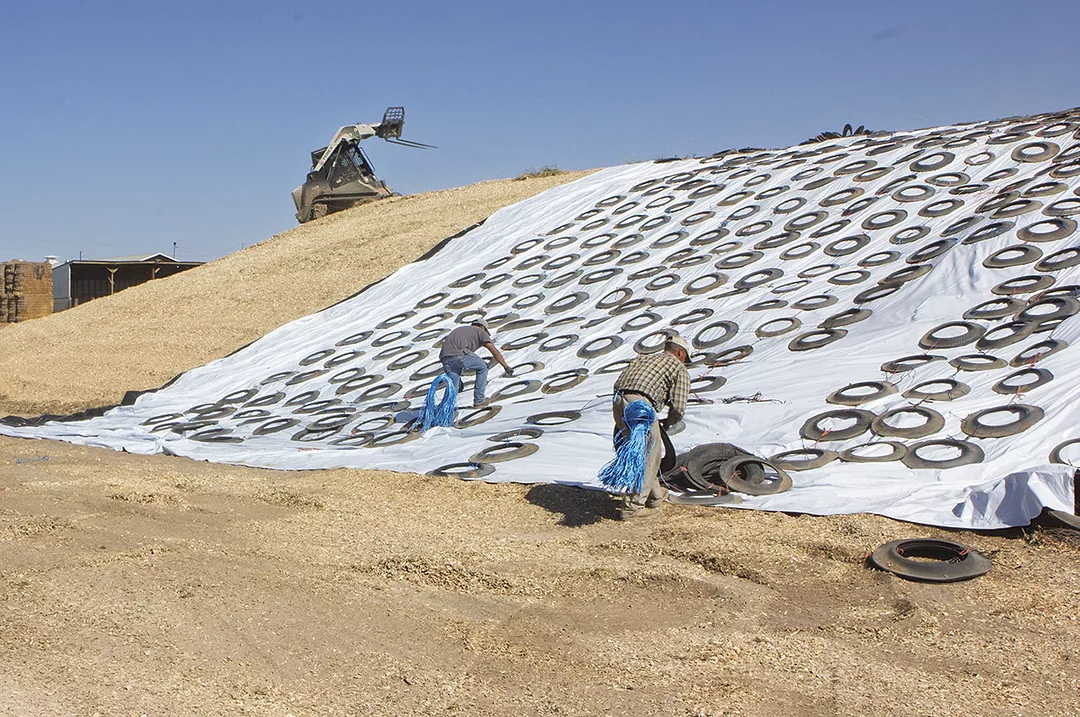
When removing tires and plastic from the top of the silage pile, there is a risk of falls or avalanches. Never stand too close to the front face or directly on top of the silage.
- Fall protection. If working at heights greater than 10 feet, you are required by law to wear fall protection. Ensure proper training for all employees who may be working at heights.
- Slippery surfaces. Silage piles can be slippery due to plastic, ice, snow, water or mud. Always wear appropriate, slip-resistant footwear to reduce the risk of slips, trips and falls.
- Lifting techniques. When handling tires or other weights, use safe lifting techniques to prevent injury.
The avalanche zone refers to the immediate area in front of and on top of the silage pile, which is the highest-risk area in the event of a silage avalanche. Establishing a clear zone around the front face of the bunker is essential to protect workers from potential avalanches of silage. The size of the avalanche zone will vary based on the height and conditions of the silage pile and the type of silage stored.
Removing silage from the bunker silo
When removing silage, there are several important safety steps to follow:
- Clear the area: Ensure the area is clear of other equipment, people, animals and children. Remember that just because you can see someone in the tractor, they may not be able to see you.
- Inspect the equipment: Before starting, inspect the equipment being used and look for any potential hazards on the silo, such as soft spots or overhangs in the pile.
- Avoid undercutting: Never undercut the silage pile, as this creates an unstable overhang that can collapse. Ensure the equipment can reach the top of the pile, or use a silage defacer to avoid this risk.
Inspection and sampling
When sampling silage, always follow these safety procedures:
- Sample location: Scoop up silage with the loader, move the loader away from the avalanche zone and then dismount the loader to take the sample.
- Avoid the avalanche zone: Never take a sample from the silage face while standing in the avalanche zone. Always ensure that you are outside the high-risk area before getting out of the loader.
- Riding in the loader bucket: Never allow a person to ride in the bucket of a front-end loader to take samples, as this is highly dangerous.
Gases from silage
Silage can produce hazardous gases, which can be toxic and are often trapped under the plastic covering the pile. These gases are heavier than air and tend to concentrate near the bottom of the pile.
- Exposure: If someone is exposed to silage gases, move them to a location with fresh air, if it is safe to do so, and seek immediate medical attention.
- Be aware: Always be cautious when removing plastic from the silage, as gases can be released during this process.
Training
Proper training is one of the most important components of bunker silo safety. Training helps ensure that employees are aware of the hazards and know how to perform their tasks safely.
- General training: All employees, whether they directly work with bunker silos or not, should be trained on the general hazards associated with working around bunker silos.
- Task-specific training: Employees involved in tasks like filling the silo, covering and removing plastic, taking samples or feedout should receive additional training specific to their duties.
- Practical evaluations: After completing training, employees should undergo a practical evaluation with their manager to demonstrate that they can perform their tasks safely and correctly.
- Documentation: All training must be documented, and the records should be maintained in each employee’s training file.
Ensuring the safety of those working around bunker silos requires thorough preparation, proper equipment and effective training. By understanding the risks involved – such as falling silage, slips, trips, falls, toxic gases and avalanches –and following the right protocols, you can help prevent accidents and injuries on your farm. Always prioritize safety when working with bunker silos to create a safer, more productive work environment.