Feed is one of the biggest expenses on a dairy. It is also one of the most complex systems to manage. One miscalculated ration or missed pen count can ripple across the entire farm – from cow health to milk output to dollars on the books.


Yet many dairies still rely on paper logs, spreadsheets or clunky feed software, leaving room for errors and little visibility into what’s going wrong.
Even when feed mistakes aren’t obvious, they’re costly. On a 100-cow dairy, reducing shrink could save over $58,000 in a year. But those losses are rarely visible – buried in bunkers, commodity sheds and the everyday gap between plan and practice.
Feeding isn’t just about delivering the right ration. It is a series of connected steps. And when one breaks down, the whole system can falter.
That’s why more farmers are moving to mobile feed management tools. These tools reduce errors, streamline feeding and deliver real-time insights to help you stay in control.
Smarter software, better workflow
Feed management software can make all the difference in streamlining feeding and managing ingredients. Instead of juggling notebooks and spreadsheets, farmers and feeders can easily manage the entire system from their phones.
Want to update a ration? Easy. Need to check inventory or track ingredient use? It’s all there. Want to ensure the right ration is being fed consistently each day? View the feeder report card. And because some feed management tools can connect with your herd management software, your feed decisions stay aligned with your production goals.
One Minnesota dairy, for example, made the switch from spreadsheets to a feed management software. Before, most ration changes lived in their feeder’s head. Now, with everything tracked digitally, updates are made in real time – even from the tractor cab. They now have fewer mistakes, faster mixing and a lot less math.
Visibility = accountability
One of the biggest wins with mobile feed software is real-time visibility. You can get immediate feedback through post-mix report cards, which show exactly how closely a ration was delivered to target.
It is a simple way to spot issues, keep everyone on the same page and celebrate wins. Feeders get a clear, step-by-step process. Managers can track performance and intervene if something appears to be off. Consultants can stay connected to feed and performance data.
And because roles are permission-based, everyone sees only what they need to – making it easier to train new team members and build team trust.
For the Minnesota farmer, the report card quickly became a favorite feature. The farm’s primary feeder checks it daily to confirm they hit the target mix. Meanwhile, the farm’s manager and nutritionist can review ration history and dry matter shifts, including trends caused by hot weather and ration adjustments. This has helped them identify swings in cow intake and improve bunk consistency.

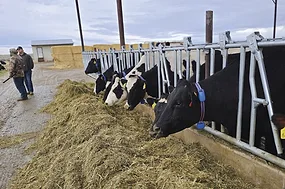
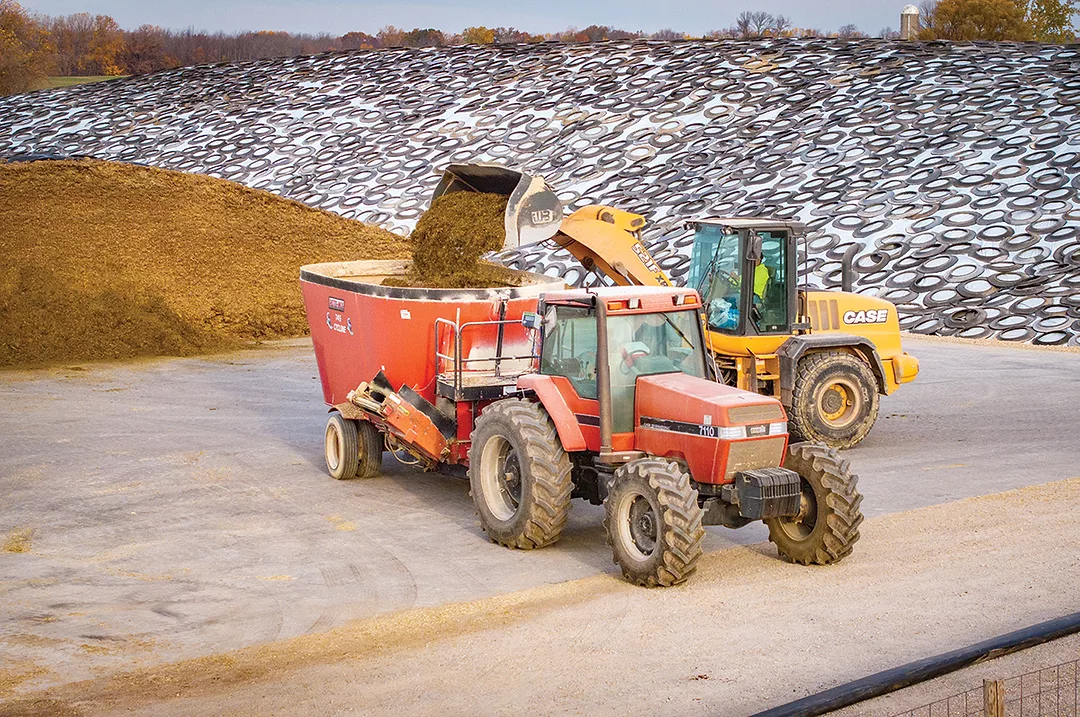
Feeding isn’t just about putting the right ration in the right bunk. It’s a chain of small steps, each one building on the last. And when one-part breaks down, the whole system starts to wobble. Image courtesy of VAS.
Data beyond the day-to-day
Standard reports help you track ingredient use, identify feed trends and improve efficiency, but they truly shine when combined with data from across the farm, unlocking the full potential of your feed strategy.
By linking feed management software with your herd management program, ration updates happen automatically. If pen counts change, the software recalculates in real time, so feeders always deliver the right mix without any extra calculations.
More innovative software also offers income over feed cost (IOFC) reporting – a powerful tool that combines your feed input costs with milk production data to reveal the true return on each ration. Because it is not only about what you are putting in front of the cows, but the return it delivers.
IOFC becomes especially valuable when navigating market shifts or feed price volatility. Say corn prices spike or a new ingredient becomes available – you can instantly model how a change in ration affects your margins and adjust accordingly. Rather than relying on instinct or waiting for a monthly report, you get daily clarity to guide high-impact decisions. Whether it is swapping in a lower-cost ingredient to improve your margin or tightening rations when milk prices drop, feed management software gives you the visibility and flexibility to respond – before it impacts your bottom line.
Feeding with confidence
The insights from feed management software proves especially handy when you need to adapt, like during a feed shortage or market shift. You can quickly pivot rations if feed inventory runs low in spring, without missing a beat or creating confusion at the bunker.
One Minnesota farmer saw this benefit firsthand. When their farm ran short on haylage, they substituted dry grass hay. With a few clicks, the ration was rebalanced to maintain dry matter goals. The changes were instant, visible to the feeder and automatically calculated – no math required. They made the update right from their phone while walking across the yard.
Feed management software also supports more thoughtful planning. The same farm now uses forecast reports to manage inventory better. Before, they relied on gut checks and rough math to estimate feed needs. Now, they have a real-time view of ingredient use and can avoid costly last-minute calls to feed suppliers.
References omitted but are available upon request by sending an email to the editor.