The earlier bovine respiratory disease (BRD) is detected and treated, the better the opportunity to minimize lung damage. If it’s not caught quickly, cattle will be less likely to respond to antibiotic treatment and will be at a greater risk for relapse or mortality.

One reason for this is that the disease progresses rapidly. By the time the animal shows clinical signs, the disease has already been incubating for several days. So how can a pen rider see a cough or sneeze and know it’s BRD, versus pulling and overtreating an animal that doesn’t need it?
By prioritizing hands-on training and early detection, you can help protect calf health, improve treatment outcomes and drive long-term success.
Purposeful training is your best tool
Building employee skills doesn’t happen by chance. It starts with intentional, hands-on learning, with new employees shadowing an experienced one. Well-trained employees can talk through what they’re seeing as they ride or walk pens together.
As new employees start making their own observations, have them continue checking animals together so trainers can provide in-the-moment coaching. Then, reinforce those skills with follow-up training after they’ve worked independently for a period.
It takes a very observant individual with good training to recognize the early signs of BRD. And it’s always a good idea to work with a veterinarian on training and treatment protocols. Consider setting up time with a veterinarian or consultant for riding pens and classroom-style training with videos and images.
Look for the subtle signs
Early detection can be tricky. Calves are a prey species, so they’re good at hiding behind their pen mates and masking illness, making it difficult for caretakers to identify sick animals. Early signs are very subtle and not always linked to BRD.
Staying focused when checking calves is critical to ensure these subtle signs aren’t overlooked. A few tips to help pen riders maintain focus include:
- View the cattle from different perspectives (e.g., the truck, a horse, the ground). They might see something they missed using a different vantage point.
- Take steps to help refocus if their mind starts to drift. Get off the horse, stretch, remount and look at the pen again.
- Look back at a pen of cattle after they’ve ridden through, after the cattle settle down. They are more likely to show how they are really feeling.
- Give more attention to younger, newly weaned calves, as they are more susceptible to respiratory disease.
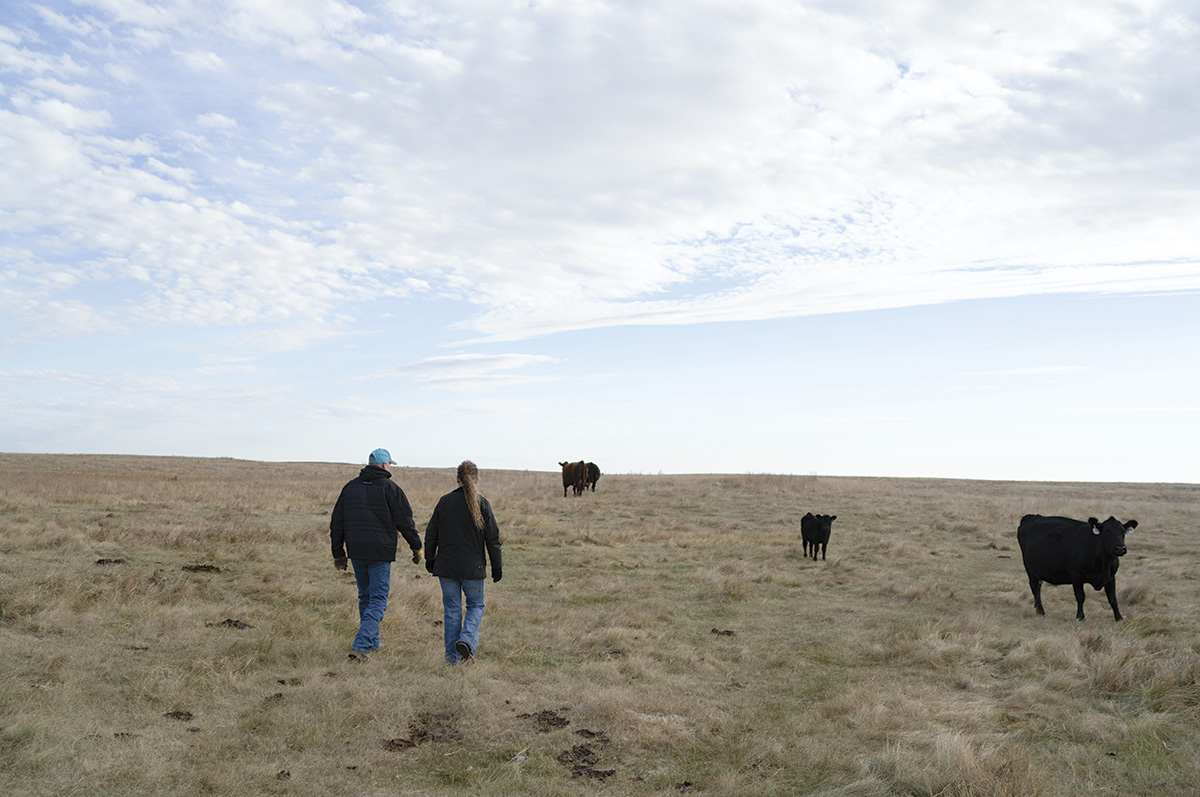
Early BRD detection and treatment are important to minimize permanent lung damage. Image courtesy of Boehringer Ingelheim.
Use assessment tools
Even the best pen riders rely on tools to back up their instincts. One of the simplest and most effective frameworks is the DART assessment, which stands for depression, appetite, respiration and temperature. It’s designed to help caretakers consistently evaluate subtle signs and make more objective treatment decisions. Watch for:
- Depression. A sick calf will have droopy ears and hold its head lower than normal. The calf’s movement will be stiff, and you may notice its tail is tucked slightly.
- Appetite. At feeding time, watch carefully for animals that are slow to come to eat or have a reduced appetite.
- Respiration. Look for abnormal patterns such as exaggerated, deep breathing, flared nostrils and a soft, persistent cough.
- Temperature. The normal temperature for a calf is between 101.5ºF and 102.5ºF. If the calf has a temperature above 104ºF, it has a fever and should be treated accordingly.
Though tools such as remote detection systems, temperature-detecting eartags and time management monitors show promise, they are still in their infancy and are often cumbersome or expensive. This technology will continue to improve, but in the meantime, it’s still the people in the pens who make the biggest difference in the battle against BRD.
Set calves up for success
Once a calf has been diagnosed, using the appropriate treatment is crucial. To optimize treatment success, look for a fast-acting, broad-spectrum antibiotic that provides coverage against all the major BRD-causing bacteria.
Catching and treating BRD early takes trained eyes, sharp focus and a commitment to continuous learning. With the right training and support, your team can stay ahead of disease challenges and keep calves on track.