As a beef industry journalist, I visit with cattle producers throughout the country every day. I read reports from ag economists and see the record-breaking prices paid for feeder cattle flash across my social media feeds. I receive cutout reports showing fed cattle bringing upward of $3,700 per head at harvest. History has shown that at some point, consumer demand falls as people resist high-priced beef. Right now, history is being rewritten.

All of this is to say that times look pretty good for cattle operators. However, there’s more to this story than 5-weights bringing $5.50, and not everyone is “making bank” on sale day. Three beef industry experts share their views on the reality of beef market dynamics and how they are navigating the lowest cattle numbers, the highest cattle prices and beef’s new level of demand.
'It’s hard not to drink the Kool-Aid'
Rick Miller, with his family, manages a cow-calf, feeder and finishing operation. He markets his fed cattle to True West Beef in Jerome, Idaho, and sells high-quality freezer beef locally in eastern Idaho. He finishes his own home-raised calves and purchases outside calves to fill the feedlot.
Miller says cow-calf ranchers have long memories. In 2014, prices for weaned calves skyrocketed to more than $2.30 per pound for the first time, but by 2016 those prices had plummeted back to the $1.50-per-pound range. Today, with prices triple that of 2016, ranchers are “wanting to get in while the getting is good,” says Miller.
He understands that mentality. Profits don’t come easy in agriculture, but he is concerned that the herd rebuild will be delayed even further, thanks to “can’t argue with that” prices.
“When everybody is of the same opinion and agrees to make the rebuild go slow so we can maintain high prices, that makes me the most nervous,” Miller explains. “Not always is the majority correct,” he adds.
Miller believes black swan events hit price takers (cow-calf, stocker and finisher segments) the hardest. For him, record highs seem to mean that any little macroeconomic upset drastically impacts the cattle industry.
“That being said, it’s hard not to drink the Kool-Aid,” smiles Miller.
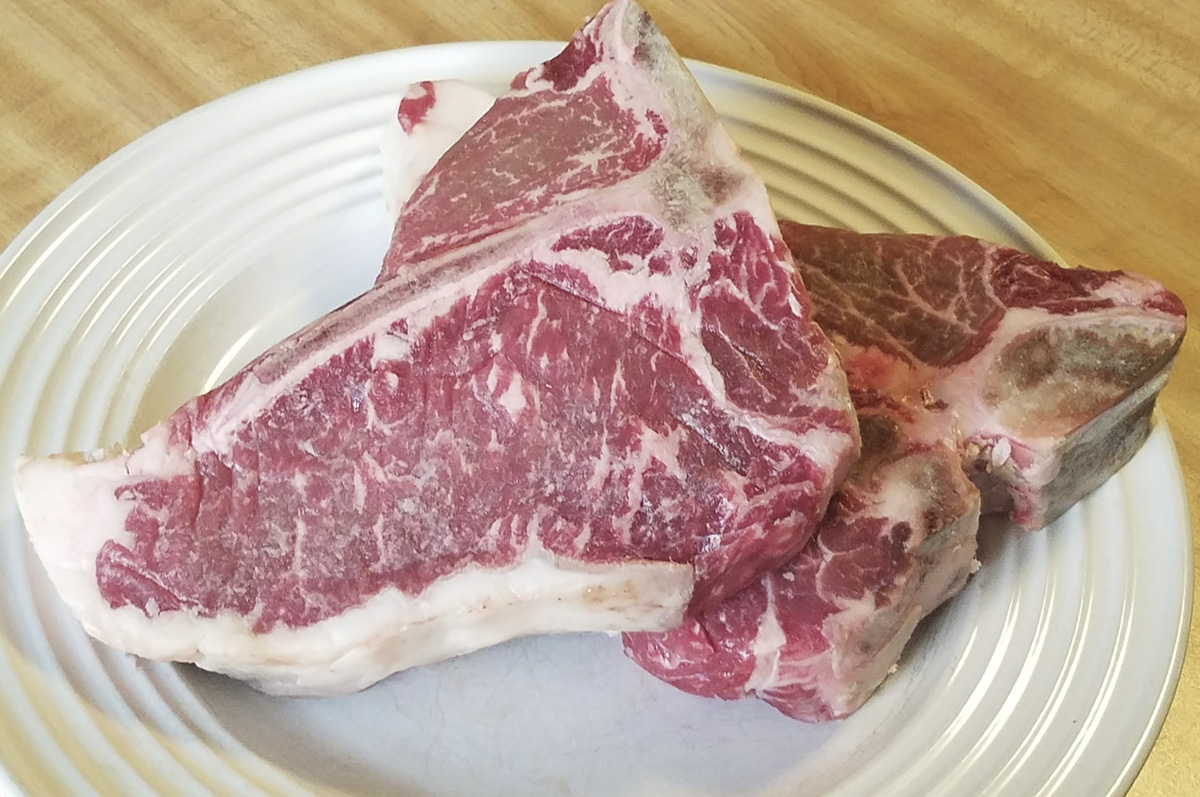
Beef prices have been on a steady incline since 2021, but consumer beef demand hasn’t faltered. Image by Paige Nelson.
'Price is an issue'
SilverStar Custom Meats in Iona, Idaho, is owned and operated by Chad Stucki; he and his team of meat cutters process custom beef for customers throughout eastern Idaho and northern Utah. Stucki’s clientele consists of those who either raise beef for themselves or market it as dry-aged, custom-cut freezer beef.
SilverStar can process 600 to 700 beef carcasses per year. Stucki says custom beef plants have always been a way for people to purchase local beef, have it cut and packaged the way they want, and fill their freezer.
“They’ve always been able to do so quite a bit cheaper than purchasing it at the store. With the price of beef now, and you add our processing on top of that, we’re pretty close to them being able to go to the store and buy the same product, the same amount for about the same price,” he explains.
On a typical year, Stucki says he processes around 250 to 300 beefs for walk-in customers who purchase a finished beef from him. In 2024, the plant sold 51. By late fall of 2025, that number is about the same.
“Price is an issue right now. It’s stopped a lot of people from buying custom beef,” says Stucki.
Miller agrees with Stucki, saying the problem with pricing isn’t only on the custom beef side but in the grocery store, as well.
“The beef packer is taking the loss because the feedlot guy is able to sell it at market price, but the retailer hasn’t passed on those costs to the customer.”
'Strain on the supply side'
“The boxed beef price – although it’s record high, it’s not covering the cost of what we’re paying for live cattle,” concurs Gregg Sproed, boxed beef sales manager for CS Beef Packers in Kuna, Idaho.
Sproed says everything from cull cows to fed cattle have been extremely hard to procure and that is putting a “major strain on the supply side” for large beef plants. “Wholesale price is not recouping the costs that we’re paying for these animals.”
While the cow herd is the lowest we’ve seen in 70 years, Sproed attributes much of the retail price problems to imported beef coming from Australia, New Zealand, Uruguay and Brazil. Input costs in these countries are much lower than those of the U.S., and much of what we import from them is 90% to 100% lean product. It gets mixed with fat and made into ground beef, patties, snack sticks, etc.
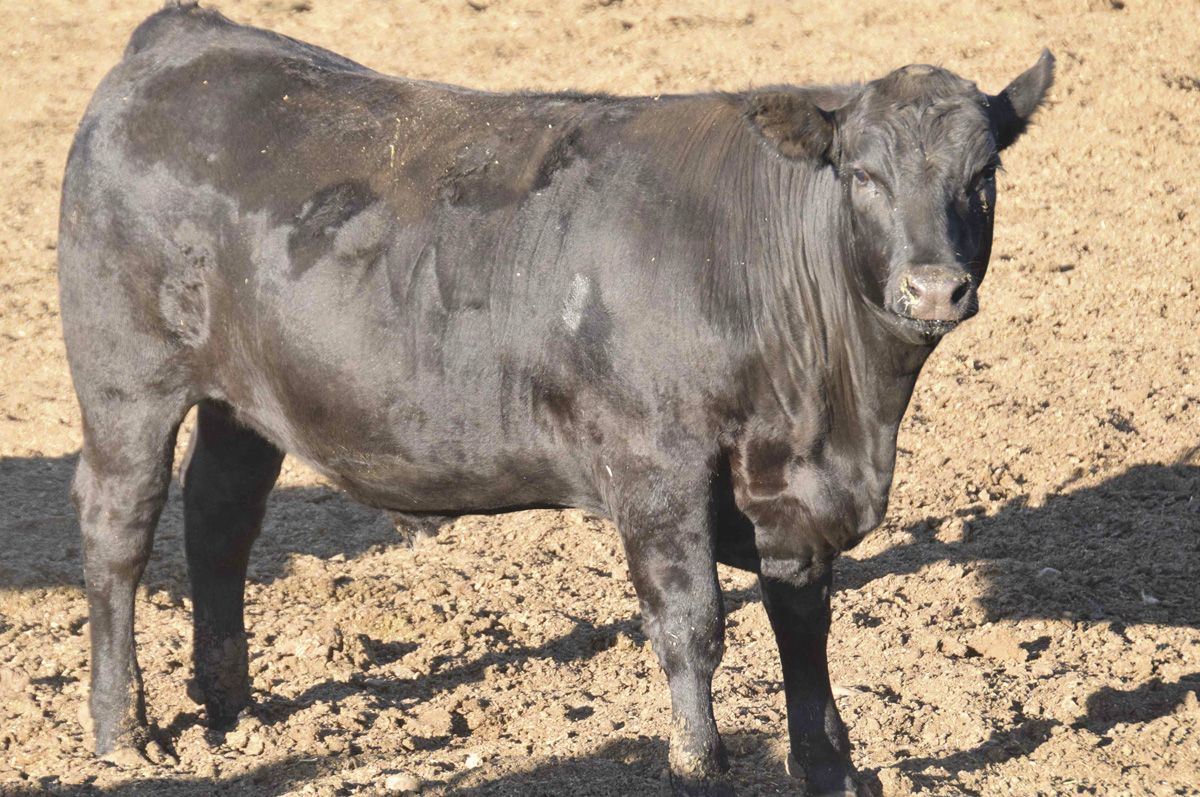
Feeder cattle prices have set new records throughout 2025. Image by Paige Nelson.
'Quality trumps everything'
While packing plants are working through tough margins, Sproed says he has seen increases on retail products like ground beef be as high as $12.99 per pound, with beef demand barely blinking.
“We love our beef in the United States, and we’re going to continue to buy it,” Sproed says. “A lot of people have traded down to ground beef from ribeyes and New Yorks. But overall, the demand is there. We have an appetite for beef.
“There’s value right now in pork and chicken, but beef is still king. It’s still center of the plate. It’s what people want,” Sproed concludes.
Beef isn’t a luxury item, says Miller, “Beef is a staple in people’s diets. They understand the health benefits of red meat. It tastes good. It’s good for you, and they need it to maintain their weight. I think they see it as a necessary part of their diet.”
Stucki believes that while beef may be the preferred protein, consumers aren’t settling for just any kind of beef; they want a high-quality product and a good eating experience every time. Whether it’s Wagyu or backyard-raised beef, “Quality trumps everything. If you have the quality, you’ll be able to move product.”
While there is great optimism throughout the beef industry, the players are cautious about the future. If you have cattle to sell, enjoy the fruits of your labor, but don’t count on next year being the same because “the beef industry; she’s volatile,” laughs Sproed.




.webp?height=auto&t=1783636475&width=285 "63802-Thomas-GPS-equipment--Automated-Magnum-Tractor--Matt-Skinner-photo(1).jpg")