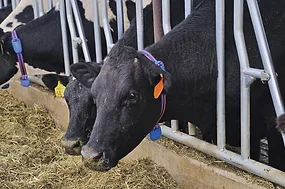
On many dairies, a single piece of equipment, usually a tractor or compact track loader, is expected to handle everything from feeding to hauling and stacking. It seems like a smart way to maximize the return on investment (ROI): one machine, many tasks. But when that equipment is used for jobs it wasn’t designed to do, efficiency suffers, wear accelerates and operators feel the strain.
In contrast, purpose-built equipment designed for high-cycle agricultural use – machines that are engineered from the ground up for the realities of farming, not adapted from construction platforms – often deliver better daily performance, lower operating costs and improved operator satisfaction. When feeding cows is a daily, time-sensitive priority, specialized machinery offers a clear advantage.
When versatility becomes a compromise
Tractors, skid steers and compact loaders are designed for broad utility. They’re the Swiss Army knives of the farm, capable of handling everything from fieldwork to snow removal. But on a dairy, where feed, bedding and manure need to be moved multiple times a day in tight quarters, that kind of versatility can actually become a liability.
Imagine a tractor used on a mixed-operation ranch during the summer, its day split between pulling a mower and moving round bales. It’s a good fit for a varied workload. But move that same tractor to a dairy where it’s now responsible for loading feed, hauling manure and stacking bales in tight barns day in and day out, and the equation changes. That front loader – designed as a secondary feature – is now performing primary, high-cycle work multiple times a day.
The result? Components wear faster. Loader pins loosen. The hydraulic system experiences stress it wasn’t built to absorb. Visibility becomes a safety issue. And the operator, climbing in and out of a tall cab all day, starts to feel it physically. The wear and fatigue aren’t just on the machine; they affect labor, maintenance budget and uptime.
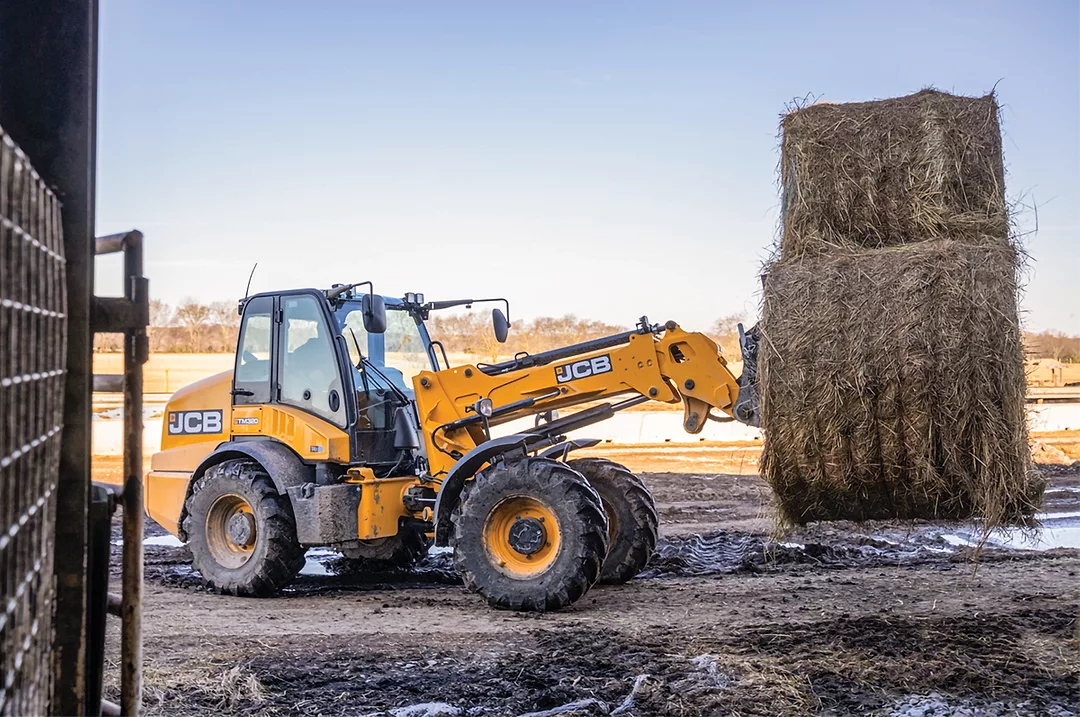
Purpose-built machines like telescopic handlers and articulated loaders from ag-focused original equipment manufacturers (OEMs) avoid these compromises. Their loader systems are primary, not add-ons. Their frames, hydraulics and controls are designed for the kinds of repetitive, high-intensity tasks that define dairy work. And their side-door access and tight turning radii are engineered specifically for barn environments.
In short, versatility may sound efficient. But when it leads to shorter equipment life, higher service costs and lower resale value, it ends up costing more in the long run. On a dairy, using the right tool for the job isn’t a luxury – it’s a necessity.
Engineered for agriculture
Feeding is a high-frequency task on dairies, and machines designed specifically for it come with faster hydraulics, smoother boom control and greater load stability. These features reduce spillage, operator stress and time spent per cycle, contributing to cleaner barns and a more efficient routine.
Likewise, bale stacking and storage demand precision. Purpose-built machines place bales quickly and safely in tight spaces, minimizing the time and risk associated with poor visibility or underpowered equipment. For example, a telehandler designed for agriculture use can lift and stack heavy wet bales into a three-tier formation inside a low-roofed storage barn with just inches to spare, something a compact loader would struggle with.
Operators are also better supported. Purpose-built machines are designed for all-day access, making it easier and safer to get in and out repeatedly. Unlike tractors or compact track loaders (CTLs), which require climbing up and over implements or narrow cabs, side-door entry reduces strain and risk of injury over time. On a typical operation where a feeder operator exits the cab 20 to 30 times a day, that difference can lead to fewer injuries and better long-term labor retention.
Every element, from hydraulic responsiveness to cab layout, is engineered to fit dairy work. This alignment improves overall productivity and reduces wear on both the machine and the operator.
An important side note: Producers looking to maximize ROI with specialized equipment should seek out models purpose-built for agriculture – not simply a repurposed construction machine fitted with agriculture tires. Not all OEMs offer true agricultural platforms. Some rely on retrofitting construction machines with agriculture-style features, which may appear suitable at a glance but lack the engineering and durability for sustained livestock use. Agricultural machines are built to handle repetitive, high-cycle tasks in dirty, confined environments where comfort, efficiency and resilience are essential. Construction platforms, even when modified, often fall short in operator ergonomics, visibility, hydraulic performance and long-term dependability, key elements in the daily grind of dairy life.
Picture a typical winter morning on a 400-cow dairy. The operator needs to feed before 5 a.m., stack several bales in a tight barn and clear a manure lane, all before milking begins. With a purpose-built agriculture telehandler, the operator can make tight turns without backing out of narrow feed alleys, reach high enough to stack bales three deep and transition between attachments in seconds. Side-door access makes it easier to get in and out while wearing layers of winter gear. The result: The morning routine is completed faster, with less physical strain and fewer delays that ripple across the rest of the day.
The ROI equation
Specialized machines may carry a higher upfront cost, but their total cost of ownership often proves lower. Built for heavy-duty cycles, they experience less wear on critical components like loader pins, axles and hydraulic systems, translating to lower repair costs and fewer interruptions.
Consider a 300-cow dairy using a purpose-built telehandler for daily feed and bedding. Over three years, routine maintenance may be the only service needed. Contrast that with a tractor doing the same work, which could face fatigue in bushings, hydraulics and frame, leading to higher service bills and shorter equipment life. These wear points can often be detected during resale evaluations, showing up in excessive pin play or loader arm looseness.
What about a 700-cow dairy facing daily bottlenecks during morning and evening feedings? Switching from a general-use tractor to a dedicated agriculture telehandler could realistically trim 30 to 40 minutes off each cycle, thanks to faster hydraulics, tighter turning and quicker operator entry and exit. Over a year, this could add up to more than 180 hours saved, time that can be redirected to herd management, farm maintenance or even easing staff schedules. Those time savings also translate to reduced overtime, lower fuel consumption and less operator fatigue. Add to that the reduction in wear from using a machine built specifically for high-cycle agriculture work, and the long-term financial and operational benefits become clear.
Purpose-built machines also retain value more reliably. Equipment used within its design scope tends to remain in better condition and command stronger trade-in value. General-purpose machines forced into constant material handling often age faster and show greater signs of fatigue.
Time is the dairy’s most valuable resource
When every minute counts, specialized equipment delivers. It moves faster, lasts longer and makes life better for the people behind the controls. In today’s competitive landscape, purpose-built solutions aren’t a luxury – they’re a smart investment. To find the right fit for your operation, connect with your local equipment dealer or agriculture machinery manufacturer. They can help identify the specialized solutions best suited to your herd size, facility layout and daily workload.