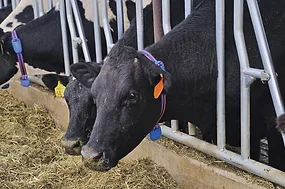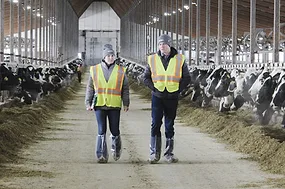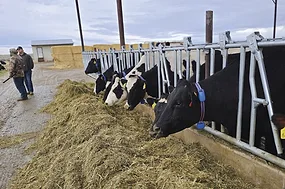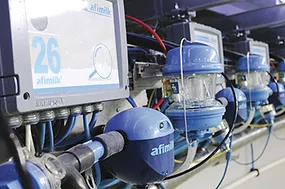
The dairy industry is rapidly evolving beyond traditional revenue sources, with farmers increasingly looking beyond milk sales to secure profitability. While gross milk checks, marketing incentives and dividends currently account for 70% to 80% of revenue, modern dairy operations are diversifying into areas such as crop and feed sales, equipment rentals, beef-on-dairy programs and alternative income streams like manure sales, bioenergy production and sustainability grants.

As farms consolidate and consumer demands shift, the future of dairy revenue lies in specialization, biological advancements and cutting-edge technology. By adapting to new market trends and leveraging artificial intelligence (AI)-driven efficiencies, dairy operations can increase profitability while reducing costs.
Tapping into high-value niche markets
With fewer dairy farms and increased market consolidation, some operations are shifting toward designer dairy products tailored to premium and niche consumer demands. The rise of A2 milk, kosher-certified dairy and probiotic-rich products highlights an opportunity for farms to optimize herd nutrition and genetics to cater to these specialized markets.
Looking forward, functional dairy products – such as kefir, CBD-infused milk and exotic dairy flavors – are expected to gain traction. Luxury dairy boxes, yogurt-based cooking oils and fermented dairy beverages present opportunities for premium pricing, tapping into health-conscious and high-end consumer segments.
Biological innovations reshaping dairy economics
The integration of biological solutions is revolutionizing dairy farming, offering a cost-effective, sustainable and highly efficient approach to herd and crop management. As the industry shifts toward natural and regenerative solutions, biological innovations are playing a crucial role in enhancing milk production, reducing input costs and improving environmental impact.
1. Biofertilizers and soil health optimization
Traditional fertilizers are one of the highest input costs for dairy farms. The adoption of biofertilizers – which use naturally occurring microbes to enhance soil fertility – can cut fertilizer expenses by 15% to 30% while improving crop resilience. These microbial-based solutions reduce dependency on synthetic fertilizers and support long-term soil health by:
- Increasing nutrient availability in the soil, improving the quality of forage for dairy herds
- Enhancing water retention in the soil, reducing irrigation costs
- Promoting carbon sequestration, which can open opportunities for carbon credit incentives
As sustainability regulations tighten and consumers demand more environmentally friendly dairy products, farms that implement biofertilizer programs can gain a competitive edge while reducing long-term input costs.
2. Probiotic and yeast-based feed additives
Optimizing herd nutrition is essential for maximizing milk yield and quality. Probiotics and yeast-based feed additives are emerging as game-changers in improving digestion, increasing milk efficiency and reducing veterinary expenses. These biological solutions work by:
- Enhancing gut health: Improving nutrient absorption and digestion, leading to a higher feed-to-milk conversion rate
- Reducing methane emissions: Studies indicate that certain probiotic strains can lower methane output by 10% to 15%, positioning dairy farms for carbon credits and sustainability grants
- Strengthening immune response: Decreasing dependency on antibiotics by improving overall herd health and resilience to disease
Dairy farms adopting probiotic-enhanced feed have reported higher milkfat content, increased protein percentages and improved reproductive performance, all of which contribute to higher revenue and cost savings.
3. Regenerative dairy practices and biological pest control
Regenerative dairy farming, powered by biological solutions, is gaining traction as an effective way to maintain soil fertility, reduce input costs and create new revenue streams. Farms using biological pest control – relying on natural predators instead of synthetic pesticides – are seeing a 20% to 40% reduction in crop protection expenses while benefiting from healthier forage for dairy cattle.
Furthermore, intercropping with nitrogen-fixing plants and cover crops is helping dairy farms improve forage quality while reducing synthetic nitrogen dependency, a major cost-saving factor as fertilizer prices fluctuate.
AI technology: The smart future of dairy farming
AI is transforming dairy operations by enhancing efficiency, cutting costs and increasing profitability. Already, AI is used to monitor herd health, optimize feed management and assess milk quality in real time. In the future, AI-driven predictive analytics will allow for:
- Early disease detection: Reducing treatment costs and milk losses by identifying health issues before symptoms appear
- AI-powered genetic selection: Improving herd longevity and productivity, leading to longer peak milk production cycles and reduced herd replacement costs
- Blockchain-verified dairy products: Using QR codes on packaging to trace the product’s origin, adding a premium value for transparency-conscious consumers
A future of opportunity and profitability
The next decade will redefine the dairy industry, shifting from traditional revenue reliance to a diversified, technology-driven approach. Farms that embrace AI, biological solutions and niche markets will see significant cost reductions and new income streams, securing a competitive edge in an evolving marketplace. As sustainability and efficiency become priorities, those who innovate will lead the industry into a new era of profitability and resilience.