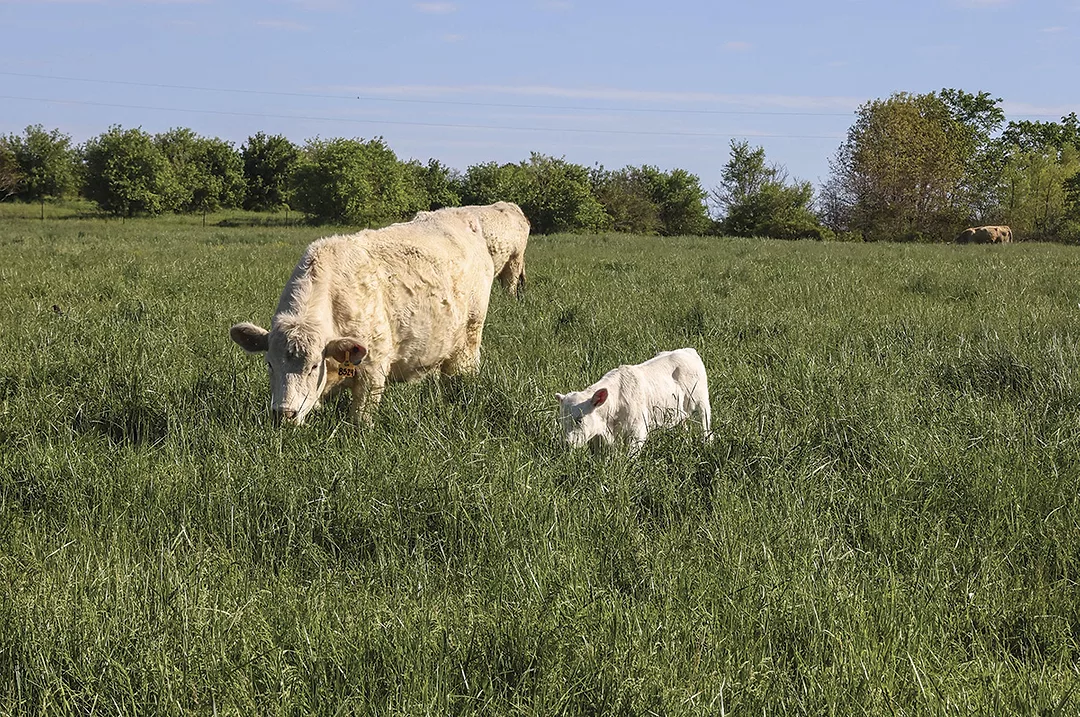
The spring season brings longer days, greener pastures and a sense of relief from the freezing temperatures that our cow herd and stocker calves may endure. However, the spring also carries its own set of challenges, as it is one of the most challenging times of the year for cattle health. Regardless of the type of operation, now is a great time to start considering things that can aid our cattle during the late winter/early spring to help overcome some challenges that come with seasonal changes.

Weather challenges
Unpredictable weather conditions can cause significant stress for cattle during the spring months. It is not uncommon for a spring day to begin with warm, sunny weather and end with a thunderstorm and cold front moving through. These fluctuations can cause increased energy requirements because the animal is working harder to maintain its body temperature. Further, muddy conditions can compound the difficulties cattle experience, as deeper mud and accumulation on their hair and hides can increase energy requirements, reduce lying time and decrease potential feed consumption. The most vulnerable cattle to these weather conditions are younger calves, thinner or older cows and newly received stocker cattle. Consider whether cattle have adequate shelter to get out of weather conditions and ensure areas of gathering are draining properly to decrease mud accumulation. Producers may consider supplementation strategies to allow better coping abilities for challenges cattle may face.
Nutrient intake
During the spring, we expect and welcome our grasses to transition into lush, green growth. However, there are some obstacles cattle may endure, especially if they are lactating or freshly calved. Lactation places a demand on cows that comes with the potential for lush forages to be deficient in key minerals and increase the risk of grass tetany. Stocker cattle may experience inconsistent intake when adjusting to a new environment, weather conditions and other management strategies, leading to deficiencies in key nutrients. A well-rounded mineral program is key during the spring, while remembering the magnesium, calcium and trace mineral needs of the cattle type. Consider that our minerals earlier in the spring season can set cattle up for success and reduce instances of performance or metabolic issues.
Respiratory disease
For stocker cattle, the effect traditional cattle systems have on transitioning calves needs to be considered, as we are exposing them to new environments, penmates and management strategies, all of which increase stress levels and impact immune function. Respiratory disease is highly devastating in the U.S. cattle population, especially in stocker calves. Generally, stressful events weaken the animal’s immune system and allow pathogens to cause disease. Bacteria multiply in the upper respiratory tract and infect the lungs of cattle, leading to pneumonia. Low-stress handling practices, strong vaccination protocols, quick identification of sick animals and utilization of antibiotics can help reduce morbidity and mortality in stocker calves. It is important to remember nutritional needs and allow for the transition of rumen microbes to different nutritional strategies to improve intake and reduce digestive problems. Additionally, we need to remember that respiratory disease can affect all cattle, regardless of age or breed.
Parasite pressure
As days warm up, pests and parasites start to burden our cattle. We tend to hear the term “spring rise” relating to the greatest seasonal parasite pressure on livestock. Parasites can affect all cattle, with side effects ranging from impaired performance and reduced conception rates to more visible symptoms such as rough hair coats, anemia, diarrhea and lethargy. Ensuring an effective parasite control program is in place early is key to cattle health and selecting the right dewormer. Fecal egg count tests are a great way to see what parasites are affecting the animal internally, assess the effectiveness of dewormers and identify the animals that may have a heavy parasite burden. Working with a veterinarian to determine which products may be best utilized, in combination with proper pasture management, becomes important during the spring to minimize the impacts of parasites on our cattle.
A common takeaway is recognizing those cattle exhibiting signs of disease, whether it is a metabolic disorder, respiratory disease, parasite burden or nutritional problem. We are best able to determine the smallest indicators of illness when we are laying eyes on our cattle daily. It is also important to have an established relationship with a veterinarian for emergencies and routine treatments. As always, have a plan in place for if there is a problem with your cattle, such as a problem during calving or if a calf develops an infection or pneumonia. A veterinarian can become our most important resource during these problematic instances.
How we manage our cattle now can set us up for a successful year and dictate the performance, conception rates and health for the coming year. It is important to take precautions during the spring to avoid any seasonal stress and build that strong foundation for a profitable year to come.