We use cookies to provide you with a better experience. By continuing to browse the site you are agreeing to our use of cookies in accordance with our Cookie Policy.
Bovine respiratory disease causes major economic losses. Mannheimia haemolytica usually lives harmlessly in airways, but stress, commingling and viral infection allow virulent strains to dominate. Leukotoxin drives inflammation and lung damage. Prevention emphasizes stress reduction, management and targeted vaccination.
Early calf success comes from pre-calving cow nutrition, clean environments, calving management and rapid colostrum intake. Small improvements reduce scours, pneumonia and mortality. Operations can produce healthier calves and more productive herds through a focused early management.
Success starts at birth. A recent BCRC webinar highlighted just how critical those early decisions are, from precalving management to colostrum intake and postnatal care. It’s about stacking small advantages, such as nutrition, environment, timing and intervention, right from the start.
Depending on the year, beef producers in western Canada notice their cattle rubbing and developing bare patches of hair during late winter or early spring. Although lice are often suspected, follow‑up checks by producers and veterinarians show that they are rarely the cause.
Pen riders have long been the firewall against feedlot BRD challenges. Recent research and trials attempted to consolidate practical knowledge to create a clinical guide to fine-tune BRD identification and support pen rider training.
Bovine respiratory disease (BRD) remains a leading health concern in Canadian feedlots. Currently, pen riders quietly surveying thousands of cattle daily are a feedlot’s main defence against this challenging disease.
BVD harms cattle productivity, especially with persistently infected animals. However, with biosecurity, PI removal and vaccination, BVD management and control is possible.
BVD remains one of the most economically significant infectious diseases affecting cattle worldwide. While many producers vaccinate routinely, the virus can still circulate quietly within herds, reducing performance long before obvious clinical signs appear.
At a time when lost pounds cost the producer more than ever, effectively preventing scours – and acting quickly to treat it if it hits – can mean a difference of thousands of dollars.
“An ounce of prevention is worth a pound of cure.” Although Benjamin Franklin was referring to fire prevention when he wrote that phrase, the same phrase can have literal implications when it comes to saving pounds through scours prevention in calves.
There are major grazing and feeding hazards for cattle including hardware disease, toxic water, poisonous plants, terrain risks and lameness. Prevention and management are important to protect herd health and reduce costly losses.
Physical hazards – from swallowed wires to toxic plants – can be devastating, not only to the cow but in certain instances can cause late-term abortions or permanent birth defects in the calf crop.
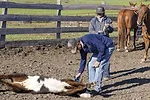
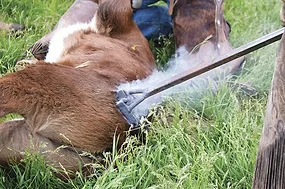
Research has shown that the more discomfort calves experience from castration, the less efficient they are at growing. But new products are helping to reduce that pain and increase productivity.
Castration is a management procedure that reduces animal aggression, prevents unwanted breeding and improves meat quality. No matter what method is used, all castration procedures cause pain, as measured by stress responses in the animal. Explore new products that are helping to reduce that pain and increase productivity.
Transporting young calves over large distances initiates stress and invites sickness and disease. Travel regulations are in place, but do they fit with scientific studies or match the realities of travel times, distance and rest benefits?
The Canadian Food Inspection Agency (CFIA) began enforcing its revised livestock transport regulations in 2022, which reduced the maximum travel time for weaned calves from 48 to 36 hours before a mandated break and increased rest periods from five to eight hours.
IBR is a contagious, persistent cattle disease causing respiratory issues, milk loss and abortions. Control relies on marker vaccination, six-month boosters, biosecurity and stress reduction. Healthy herds perform better and have fewer losses.
Infectious bovine rhinotracheitis (IBR) is a fast-moving upper respiratory disease that can quietly drain profitability in beef and dairy herds. It spreads quickly through close contact and, like other herpes viruses, it doesn’t leave the herd once it arrives.