There’s a reason the phrase still echoes across generations: “Go West, young man.” Not because the West holds answers, but because travel enhances your perspective.

This February, the 2026 World Ag Expo in Tulare, California, did exactly that. It reminded me that agriculture – our work, the people, the industry, our future – is bigger, more interconnected and more resilient than I sometimes realize from my office in southern Wisconsin.
This year, more than 100,000 people attended World Ag Expo, 2.6 million – yes, million – square feet of exhibit space held the kind of energy and excitement that only agriculture can generate. Farmers, students, innovators and industry leaders came from 50 states, including the District of Columbia and 53 countries.
A moment that will stay with me wasn’t a piece of equipment; it was a family – a couple and their son – who stopped by our booth and picked up copies of our magazines. I asked if they wanted to sign up for a subscription, and the son smiled and said, “We’re from Russia – you don’t ship internationally.” Then he added that he reads our magazines online. In that instant, the scale of the expo came into focus. Agriculture may be rooted locally, but its conversations are global.
Walking the grounds, I heard different languages, saw FFA jackets worn with pride and international trade delegations, and I listened as a dairyman from Chile compared notes with a forage grower from Wisconsin, leaning over the same piece of forage equipment. Tulare became a crossroads where the world’s agricultural community met with innovation at every turn.
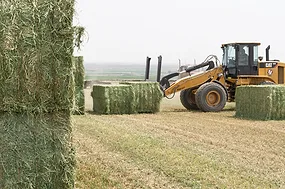
This year’s 1,179 exhibitors brought everything from simple, practical solutions to the kind of technology-focused tools that make you rethink what’s possible. Live demonstrations drew crowds – there was even a robotic dog. The Top 10 New Products winners highlighted innovation – from incremental improvements to game-changing automation.
That innovation was evident on my tour of Rib‑Arrow Dairy, a few miles from the expo grounds. The Ribeiro family has been dairying for more than 100 years, and they are leaning into technology – not to replace herdsman skills, but to sharpen them.
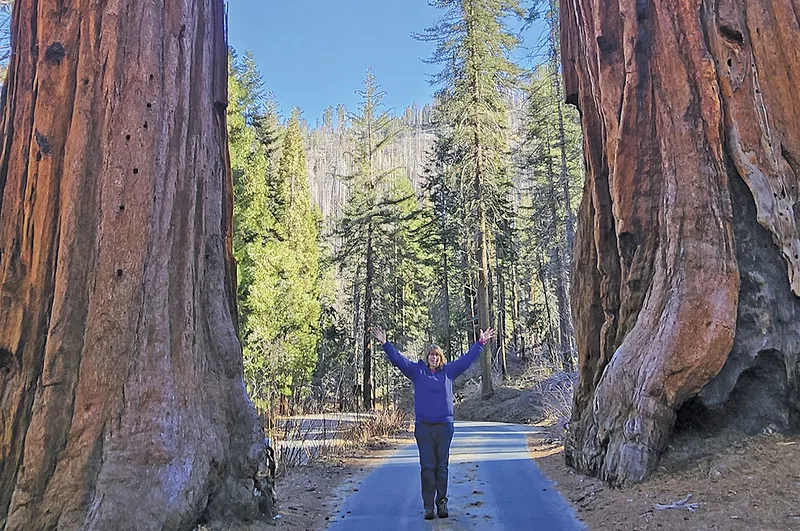
After the expo, I toured Sequoia National Park – walking among the giant sequoias – trees that have stood for thousands of years, weathering fire, drought, storms and time; it also offered beautiful mountain scenery, deep canyons and diverse ecosystems. I was reminded that agriculture, too, is part of something long-standing and deeply rooted. We innovate, we adapt, we push forward – but we’re also a part of a story that started long before us and will continue long after.
The contrast was striking: one day immersed in innovative ag technology, the next standing among some of the oldest living organisms on earth. Yet both experiences pointed to the same truth – resilience comes from tradition and innovation.
In a time when our communication happens through screens, the World Ag Expo reminds us why gathering still matters. Agriculture is built on relationships – between people, land and livestock, past experiences and future possibilities. You can’t replicate a handshake, the weight of a new tool or an unexpected conversation.
And maybe that’s the heart of it. Going West isn’t about geography. It’s about perspective. It’s about stepping into a place where innovation, tradition and community meet – and letting that shape how we return home.
The 60th World Ag Expo will be held Feb. 9-11, 2027. But the invitation is timeless: Go West, young men and women, and see what agriculture is becoming.