As the calving season wraps up, breeding season is just around the corner. While the focus is on getting cows bred, it’s also an important time to review the causes of pregnancy loss. Various pathogens can cause devastating abortion losses in beef herds, with bovine neosporosis being particularly concerning due to its long-term impact. In fact, neosporosis-related losses cost the beef industry an estimated $111 million annually.

Reproductive issues are the main clinical signs associated with neosporosis, and subclinical infection (infection that has no symptoms) is common. Dams do not show symptoms until abortion occurs, which usually occurs between four to seven months gestation. Stillbirths and neurologically weak calves can also be found at term.
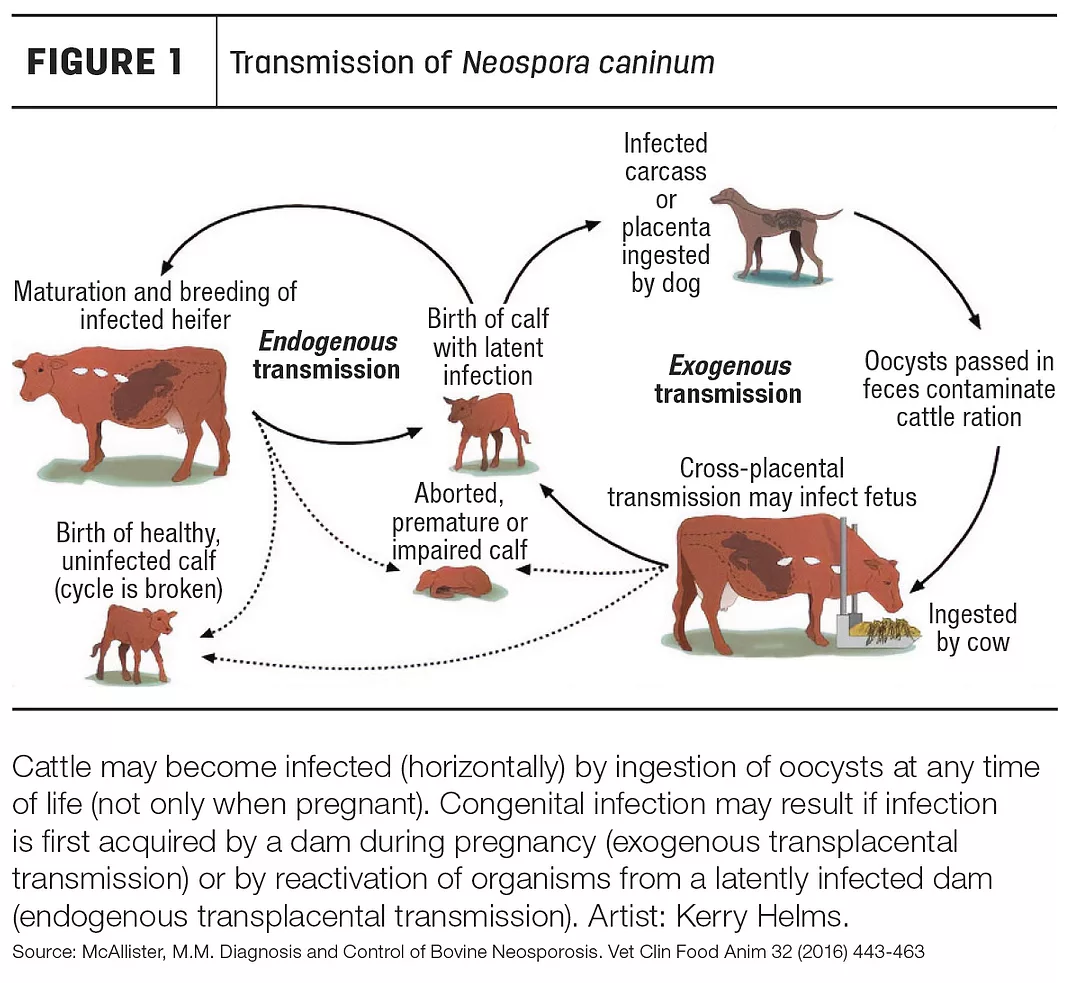
The disease is transmitted through a parasite, Neospora caninum, which lives inside cells of infected animal hosts. Dogs become infected by ingesting infected cattle carcasses or placenta. The parasite then multiplies inside the intestinal tract of dogs and coyotes and is shed into the environment as a stable oocyst through the feces. Beef cows and heifers pick up the oocyst in contaminated feedstuffs and water sources. Replication of the parasite occurs in the cow and can either show up as reproductive abnormalities in naive pregnant cows or become dormant, where they can stay for the lifetime of the host. Transmission across the placenta can occur later in life when the dam becomes pregnant and affects several generations of offspring.
The U.S. National Animal Health Monitoring Service suggested that greater than 2% annual abortion losses within a herd justify diagnostic intervention. Diagnostic samples include the aborted fetus, placenta and serum from the dam. Serum samples submitted to the Nebraska Veterinary Diagnostic Center found greater than 80% positive cases when testing open cows from suspect herds. More than one sample will increase the likelihood of finding the source of the problem.
There is no approved treatment for neosporosis in cattle. Control measures for neosporosis include protecting cattle food and water sources from canine fecal contamination. This may include minimizing dog access to ground hay and silage piles, as well as bunk lines and high-traffic feed areas. Additionally, proper removal of placenta and carcass remains may limit parasite transmission. Another option in endemic herds is to test replacement heifers and only keep the animals that test negative for breeding purposes. It is important to remember that maternal antibodies could interfere with result interpretation, so testing newborn calves before colostrum ingestion or after 6 months of age is suggested. Interestingly, studies have shown that embryos from valuable cows that test positive can be implanted into negative recipient cows without risk of transmission.
Consulting your veterinarian is crucial for identifying potential causes of abortion and determining the appropriate diagnostic tests. Many laboratories offer comprehensive abortion panels that screen for multiple diseases, aiding in accurate diagnosis and problem-solving.