Many beef producers want to introduce natural products, such as garlic, to their herds. Garlic, classified as an essential oil, is being added to commercial mineral tubs and other products. Although some ranchers are excited about the positive results they see in their herds, some researchers are not convinced.

A family affair
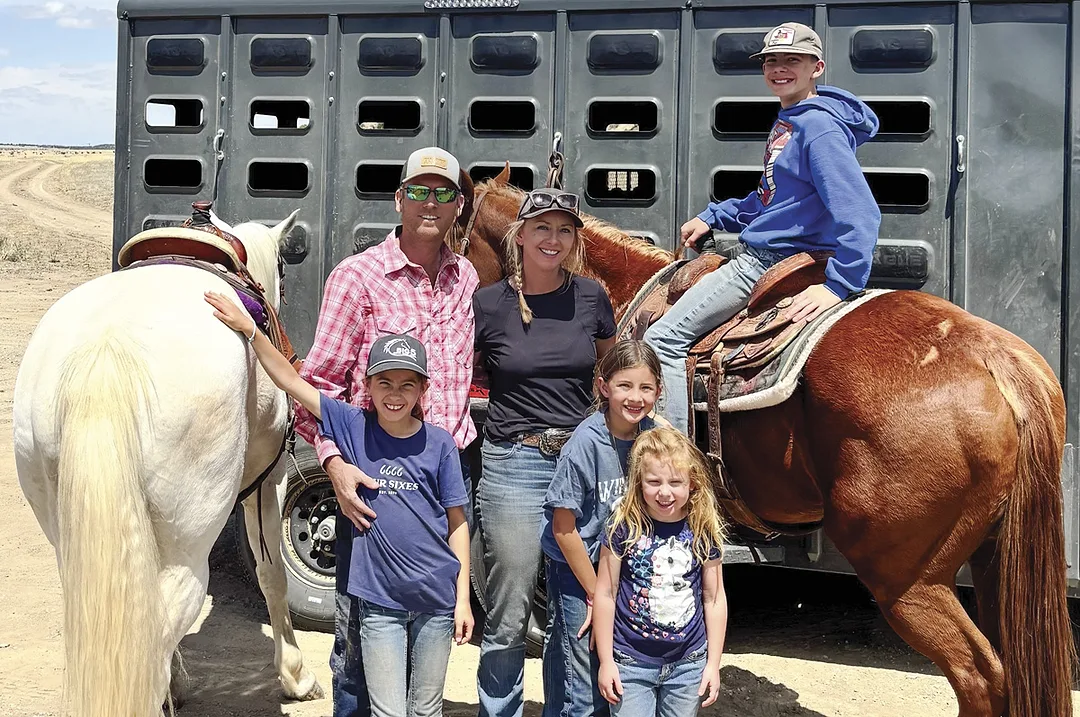
Julie Gibson, a dealer with Riomax, and her husband, John Mark, raise black and Red Angus in the Texas Panhandle near Tulia, and also run cattle with other family members. Passionate about cattle, Gibson says, “Our common denominator is the garlic mineral tubs.”
In 2022, Gibson noticed her cows that were turned out with bulls for breeding were covered in lice, losing hair and developing bald spots. She had heard about garlic’s health benefits and found a mineral tub with added garlic that met nutritional requirements for cattle. “We put those tubs out, taking pictures before and after we pulled our cattle off the pasture 21 days later,” Gibson recalls. “All of their hair had grown back. It has been important for us to give our cattle a break from external parasites.”
Garlic in the animal’s bloodstream repels external parasites, Gibson believes. “We stayed with the tub that had a higher garlic concentration year-round,” Gibson explains. “We started the tub in February and March, keeping it available throughout the spring. We noticed significant differences in the cattle’s behavior that were protected from flies.” The garlic tubs also contain an insect growth regulator (IGR), through the mineral. Cattle ingest the IGR, interrupting the fly life cycle, reducing the fly population.
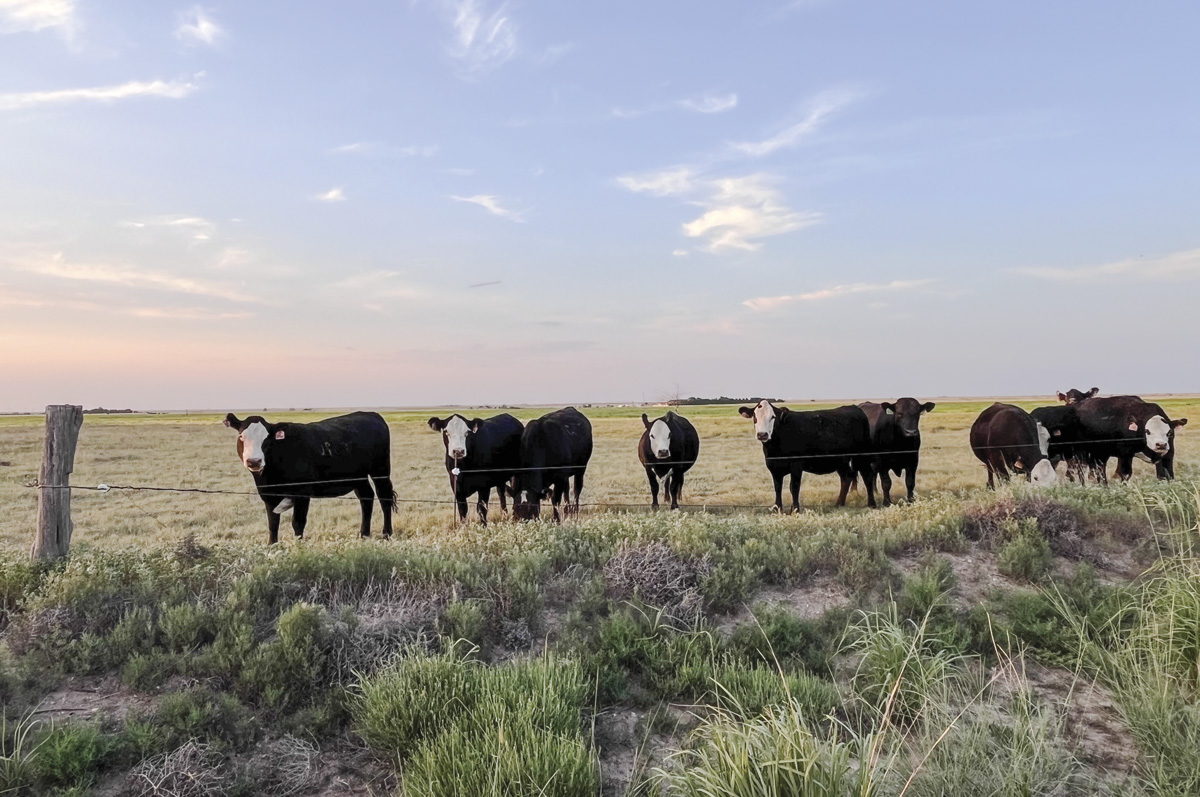
Although she raises Red and black Angus cattle, Julie Gibson appreciates the hybrid vigor of black baldies, which do well with garlic supplements. Image courtesy of Julie Gibson Ranch.
Gibson’s cattle spread out to graze rather than crowding into fence corners, fighting insect pests. She says her cows are happier and more contented with higher milk production, so their calves receive more milk. When they are bundled up and stressed fighting flies, the milk production isn’t optimal.
“If you’re interested in trying garlic products, do your research,” Gibson advises. “Know that it does more for the animal than just repelling flies. Garlic has many medicinal uses for internal parasites in cattle, supports immune systems and reduces internal inflammation. It’s more than a seasonal product. It can be fed year-round to cattle. Garlic is a great supplement to add to your mineral program, helping your cattle achieve optimal health.”
Be proactive
Chris Cassady, Ph.D., director of beef technical sales at Biozyme Inc., says cost-effective mineral supplements containing garlic and a heat abatement technology package are available. The heat abatement package contains capsaicin, an oil found in chili peppers, and other essential oils. “We add garlic as an insect deterrent,” Cassady explains. “The other ingredients do the heavy lifting when it comes to heat abatement and some rumen-modifying effects, such as improved feed efficiency.”
Garlic works from the inside out. It is not toxic to insects; it is a repellent. Tubs with heat abatement technology help cattle develop greater thermal tolerance, especially during hot, humid days. Cattle spread out, making it more difficult for flies to travel from animal to animal.
“The cattle release sulfur-containing compounds that act as a repellent,” Cassady observes. “We also run ClariFly through the mineral. The products we make are engineered to cover many summer hurdles. Garlic is a tool that repels insects and [external parasites], indirectly interrupting their life cycles. Flies aren’t getting as many blood meals. They aren’t on the cattle, reducing the risk of disease transmission, such as anaplasmosis from ticks or pinkeye from face flies or stable flies. The animals maintain efficiency because they aren’t swatting flies.”
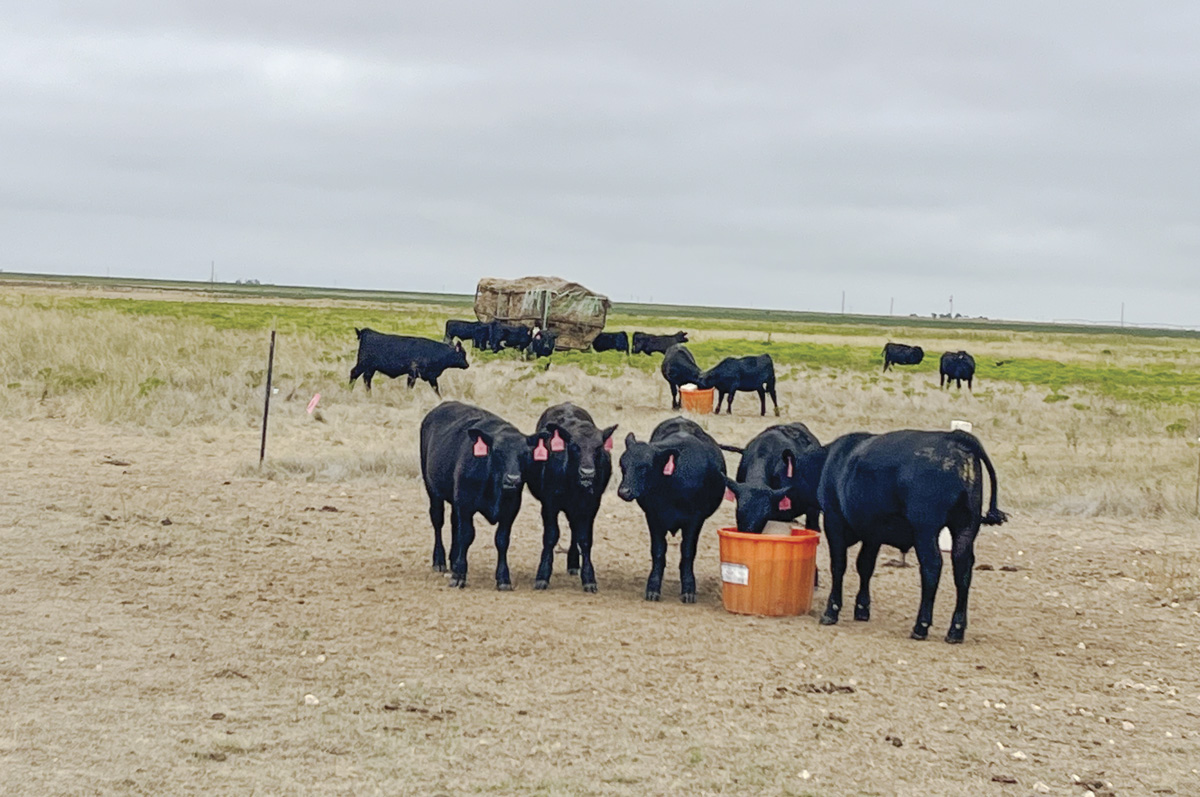
These calves are licking the garlic mineral tub, which will not only give them the benefits of mineral supplementation but will protect them from flies and external parasites. Image courtesy of Julie Gibson Ranch.
Some evidence indicates that garlic has rumen-modifying effects, including improved feed efficiency and, in some cases, antimicrobial activity. “I’m not saying cows are never going to get sick again,” Cassidy admits, “but it can help when dealing with the bacterial populations that cattle ingest. Keeping the gut healthy keeps the animal healthy. Remember, 70 percent of the immune system is in the gut.”
“Producers often use garlic as an insect repellent,” Cassady concludes. “They gain efficiency by keeping flies at bay, trying to minimize any nutritional paths associated with fly populations. Be proactive. The second you wait for flies to become a problem, you’re already behind the eight ball. I tell producers to apply fly control 30 days before the last spring frost and continue until 30 days after the first fall frost. That gives the animal enough time to get the product in its system, getting ahead of the adult fly population. Garlic isn’t a substitute for good animal husbandry and sound manure management systems, but it is a useful tool when everything else is in place.”
Testing tells a different tale
Dave Boxler, entomologist and extension educator for the University of Nebraska – Lincoln, helps beef producers manage insect pests. He studied the effects of a 2% garlic powder mixed with minerals or salt on horn flies, observing at least 15 animals once a week. After the animals consumed the garlic through minerals or salt, Boxler says, “We took digital images of one side of the animal to record the number of horn flies present. Taking those images to the lab, we used a computer program that counted the number of flies per side.” This method monitors the horn fly population, which most producers want to repel. Boxler supervised a garlic effectiveness study for two years. He always had an untreated group of cattle as a comparison or control group. During the two-year study, Boxler found the horn fly population on the garlic-treated animals was not significantly different from that on untreated animals.
Because it is difficult for ranchers to count flies, Boxler suggests looking at animals’ defensive behaviors against flies – counting the number of tail swishes, feet stomping or head tosses per minute. Examples of animal stress can be a good indicator of the fly population. Ranchers try to reduce animal stress because it has negative consequences, such as weight loss, suppressed immunity, lower feed efficiency and reproduction issues.
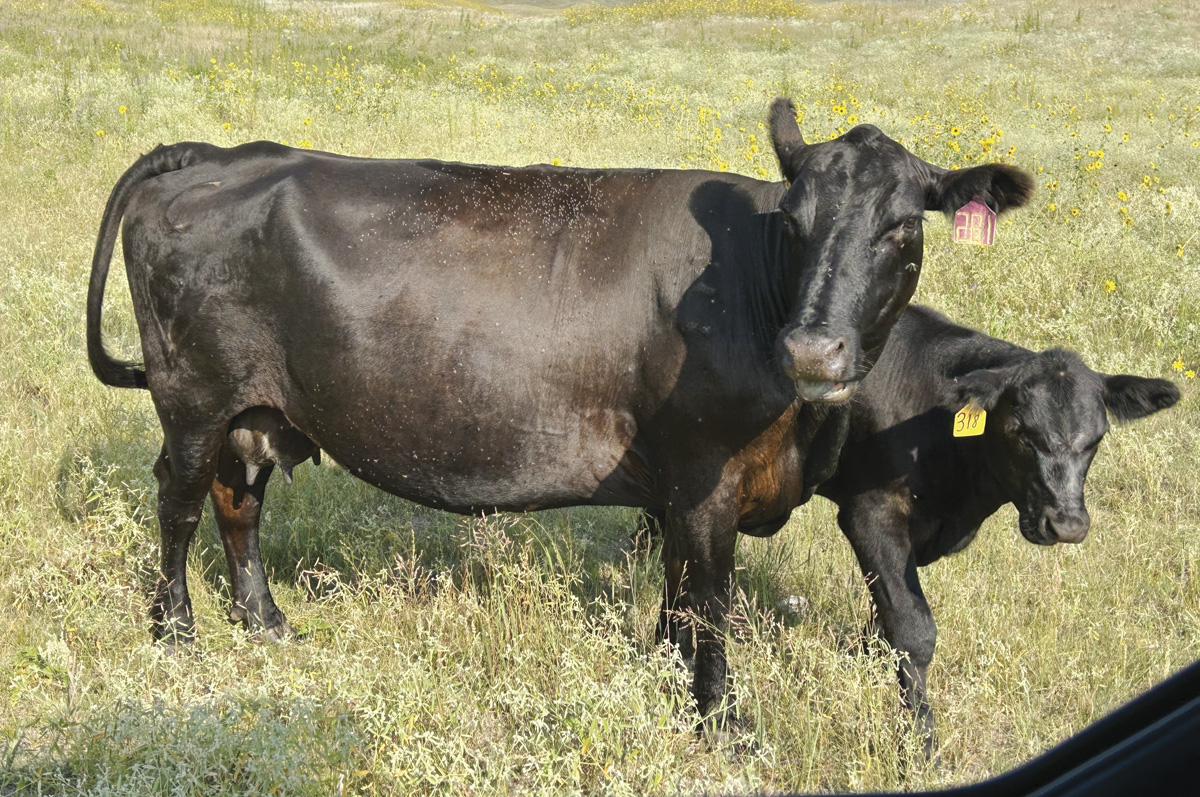
This cow was involved in the garlic feed-through study utilizing a 2% garlic concentration mixed with mineral and offered free-choice. Image provided by Dave Boxler.
In another trial, Boxler and his team tested a water-based garlic formulation. They diluted the garlic into samples ranging from 1% to 25%, spraying 500 milliliters (17 ounces) of garlic concentrate onto 600- to 700-pound yearling steers or heifers. The animals were sprayed to the point of runoff before returning to the pasture. “Two hours later, we recorded repellency and observed flies every day for five days, using digital imagery,” Boxler recalls. “Essentially, we saw very little effect [with] the 1 percent [concentration]. The 5 to 10 percent garlic concentration showed strong immediate repellency after spraying, but this effect faded by the third day of the study.” The water-based treatment at higher concentrations was expensive at $1.56 per animal per treatment.
“Depending on your location in the country, assess your baseline horn fly pressure,” Boxler concludes. “If you have a lot of horn flies during the season, garlic may not be the best choice. Look at animal defensive behaviors to determine the fly load. You have to be concerned about fly immigration; if your neighbors aren’t providing fly control to their stock, the emerging flies will move toward your herd. If you use garlic, provide it early in mineral or salt supplements.”
Garlic has the potential to be a terrific tool in a rancher’s toolbox. However, before investing in a garlic product, cattle producers should keep an open mind, conduct their own research and talk to other ranchers who may have additional advice and experiences to share.