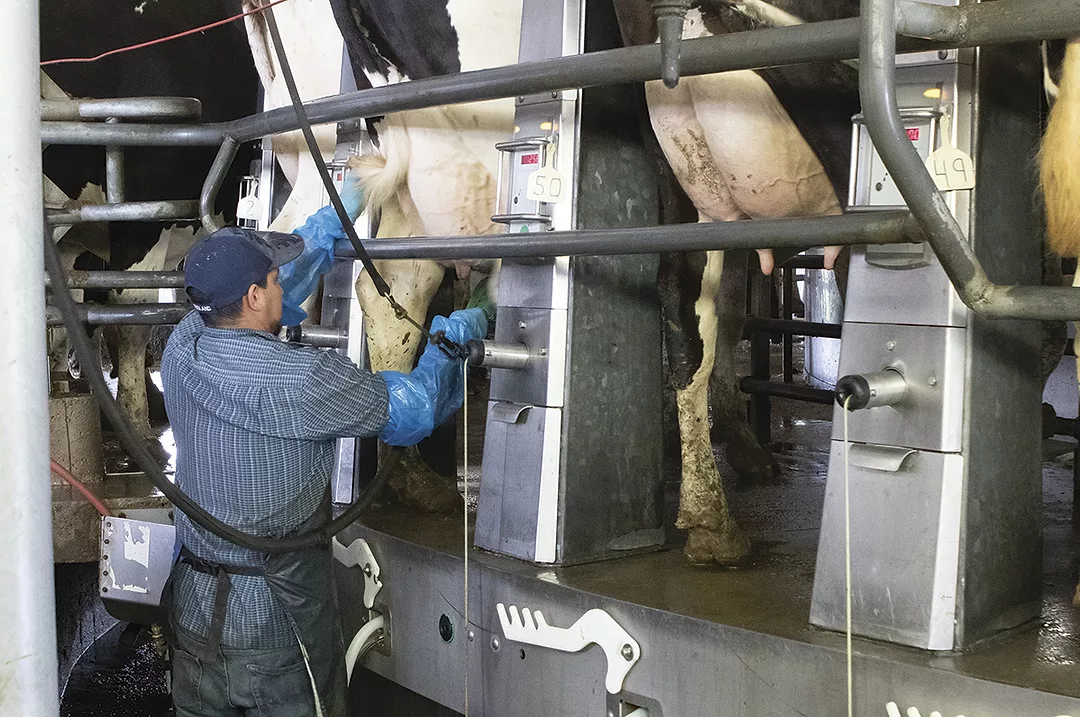
For dairy producers, excellent milk quality means long-term profitability and herd health. One of the most critical factors influencing both is somatic cell count (SCC), which serves as a direct indicator of udder health. Keeping SCC low isn’t just about producing high-quality milk; it’s about minimizing milk losses and maintaining a sustainable, efficient operation.

Understanding somatic cell count
SCC measures the number of white blood cells in milk, reflecting the cow’s immune response to infection. When SCC is high, it signals mastitis – a costly disease that not only affects milk quality but also significantly reduces production. Research has shown that even at what is considered a "good" SCC level of 150,000 cells per mililiter (ml), dairy cows are still experiencing milk loss. Second-lactation cows at this level can lose up to 0.7 kilogram of milk per day, impacting overall profitability.
Sustainable milk quality: The connection between SCC and profitability
A common misconception among producers is that SCC is only a concern if it's moderately high. However, even slightly elevated SCC levels indicate lost milk production, and the financial losses add up quickly. A Canadian study found that mastitis costs producers an average of $661.78 per cow per year, with subclinical mastitis – where clinical symptoms aren’t visible – being the most significant contributor to lost revenue.
How lowering SCC improves profitability
- Higher milk yields – Every reduction in SCC corresponds with increased milk production. Cows with lower SCC levels convert feed into milk more efficiently.
- Fewer treatment costs – Preventing mastitis through best practices reduces the need for antibiotics and other medical treatments.
- Better milk cheque premiums – Keeping SCC out of the penalty range ensures the dairy is getting paid top dollar for their milk and not incurring costly penalties.
- Less milk down the drain – Reducing cases of mastitis keeps milk going to the tank.
The role of preventative maintenance in SCC management
SCC management isn’t just about treating mastitis – it’s about preventing it. One of the most effective ways to maintain low SCC is through proper milking equipment maintenance. Preventative maintenance helps ensure that milking systems are functioning optimally, reducing teat-end damage and minimizing bacterial exposure.
Key maintenance practices that impact SCC
- Pulsator maintenance – Pulsators regulate the timing of teat ends being subjected to vacuum pressure. If they malfunction, teats can be placed under excessive (or insufficient) durations of vacuum. Preventative maintenance ensures all pulsators operate constantly within specification, reducing stress on the teat ends.
- Vacuum regulation – A properly functioning vacuum pump and controller are essential. When vacuum levels fluctuate due to improper maintenance, teat ends can become damaged, making cows more susceptible to infection. Regular checks and service help maintain stable milking pressure.
- Milking unit hygiene – Over time, rubber components in the milking system degrade, developing microscopic cracks where bacteria can thrive. Replacing liners and servicing wearable rubber components at recommended intervals prevents bacterial buildup as well as vacuum leaks.
- Milk time analysis – Conducting a milk time analysis allows producers to track flow rates and vacuum performance during milking. This real-time data helps detect inefficiencies and system issues before they turn into major issues affecting SCC and milk production.
The importance of consistency in milking procedures
Even the best maintenance program won’t be effective if milking procedures aren’t consistent. Cows thrive on routine, and variations in milking processes can lead to SCC spikes.
Best practices for milking procedures
- Train all milkers to follow the same pre- and postmilking hygiene routines.
- An ideal milking routine is based around the physiology of the cow.
- Monitor milking duration – overmilking can cause teat-end damage while undermilking can leave residual milk, both of which contribute to mastitis risk.
- Encourage cows to stand postmilking with available water and feed to allow the teat end to close before lying down, reducing the chance of environmental infections.
Using data to improve SCC management
Modern milking systems provide valuable analytics that help producers monitor milking parlour efficiency. By reviewing milking shift reports and flow rate data, dairy farmers can detect patterns that indicate inconsistencies in milking procedures or equipment issues.
Key data points to track
- Milking flow rates – Are cows reaching peak flow rates quickly?
- Percentage at two minutes – Within two minutes of being attached, 50% of the total yield should be harvested.
- Low flow time – How much time does the cow spend in low flow rates? This should average less than 30 seconds 2X-milking and less than 20 seconds 3X-milking.
Prevention is more profitable than treatment
Sustainable milk quality isn’t just about reducing SCC – it’s about adopting a proactive approach to udder health and operational efficiency. Preventative maintenance, combined with consistent milking practices and data-driven decision-making, helps dairy producers optimize milk quality, reduce costly losses and improve overall profitability. By focusing on these areas, producers can ensure their herds remain healthy, their milk stays high-quality and their bottom lines continue to grow.
References omitted but are available upon request by sending an email to the editor.