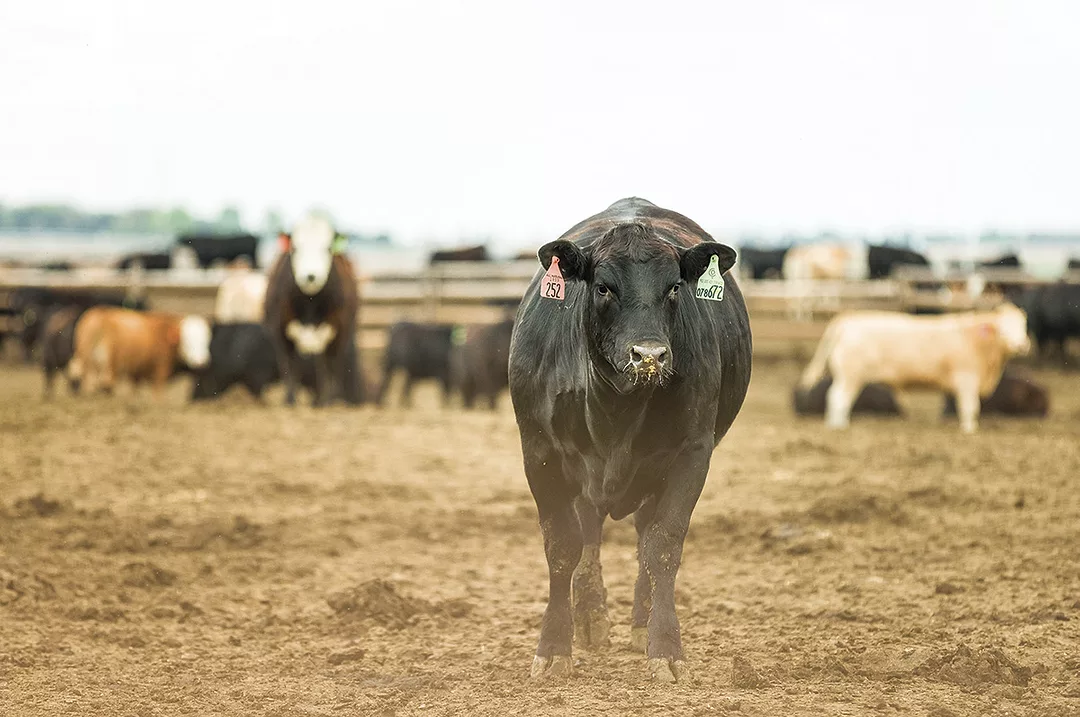
Digital dermatitis is known by several names: hairy heel warts, heel warts and strawberry foot. No matter what you may call it, once digital dermatitis is present, there's no known method to eliminate it.

The good news is that digital dermatitis is controllable by either treating cattle with warts or preventing cattle from developing warts. It is easier and cheaper to prevent digital dermatitis than to treat it. By addressing early lesions with proper management, footbaths and even nutritional and immunity approaches, you can expect to see a lower overall occurrence of mature, chronic warts and lesions that are harder to treat. Otherwise, if left alone to mature, digital dermatitis lesions are quite painful and can lead to lameness and poor well-being.
What is digital dermatitis?
Digital dermatitis is a highly contagious, painful bacterial disease affecting the skin of cattle, particularly on the heels and between the claws, leading to lameness. It occurs through direct contact with infected animals or contaminated environments. The primary bacteria are treponemes. These bacteria thrive in wet, dirty conditions and cause digital dermatitis by invading damaged skin. Skin can become damaged due to a cut or abrasions but can also be damaged by bacteria in the manure or environment.
Where does it come from and how does it infect my herd?
Digital dermatitis was first written about in 1974 when it was referenced by two Italian veterinarians, Dr. Carlo Mortellaro and Dr. R. Cheli. It was also reported in the U.S. that same year in an Angus bull and separately in a polled Hereford herd. Fast-forward to today, and it is one of the most common diseases in cattle herds around the world. Despite its prevalence, economic effects and animal welfare concerns, there is not a vaccine or total-cure treatment. This is in part due to the characteristics of digital dermatitis:
- Highly infectious and spreads through direct contact
- Can be present in cattle without showing clinical signs
- Can’t be treated with injectable antibiotics like foot rot
Digital dermatitis can get on a farm in a few different ways. It often gets brought in with infected cattle, whether they come from a sale facility or are transported in trucks that carry the bacteria. Once it’s present, digital dermatitis spreads easily through direct contact between animals. What’s tricky is that it can be present in cow-calf operations without showing obvious signs, making it harder to detect.
Besides lameness, what consequences are there?
A secondary consequence of digital dermatitis is a significant drop in dry matter intake (DMI) due to lameness. The warts make it painful for cattle to walk, so they don’t freely come to the feedbunk. Cattle have an everyday maintenance requirement for energy, and what is left is available for growth. When feed intake is lessened, we see a reduction in performance and, ultimately, profitability.
Is there a dollar amount we can put to digital dermatitis?
The exact cost per case is difficult to pinpoint because digital dermatitis tends to be random in nature and doesn’t affect all cow-calf operations, feedlots or even cattle in the same herd the same way. Still, there are recent research studies from the last 10 years that have attempted to quantify the economic impact.
A 2021 economic analysis from the University of Calgary found digital dermatitis second to bovine respiratory disease as the most impactful disease in feedlot cattle. The researchers reported significantly lower average daily gains (ADGs) and finished carcass weights in cattle affected with digital dermatitis compared to unaffected cattle.
The cost becomes most significant when cattle reach the finishing phase and, due to the pain, don’t want to walk to the feedbunk.
Why does it feel like I can’t get digital dermatitis under control?
This goes back to the randomness of the disease that makes it hard to predict, detect and control. Clinical signs – meaning you can see them – often don’t present until cattle are heavier and in their later stages of the finishing period. Warts also will occur on the foot low to the ground and are particularly hard to spot in the mud or pasture environment.
Key challenges that make digital dermatitis hard to control:
Transmission: Digital dermatitis is highly infectious and spreads from animal to animal through direct contact. Once prevalent, there’s no known method to fully eliminate it. I know some producers who have tried various methods like leaving pens empty, using lime and changing bedding, but none have successfully eradicated it.
Treatment limitations: Injectable antibiotics are ineffective, and the foot must be treated directly through footbaths or individually in a chute. Depending on your operation, these treatment options can be time-consuming and potentially dangerous.
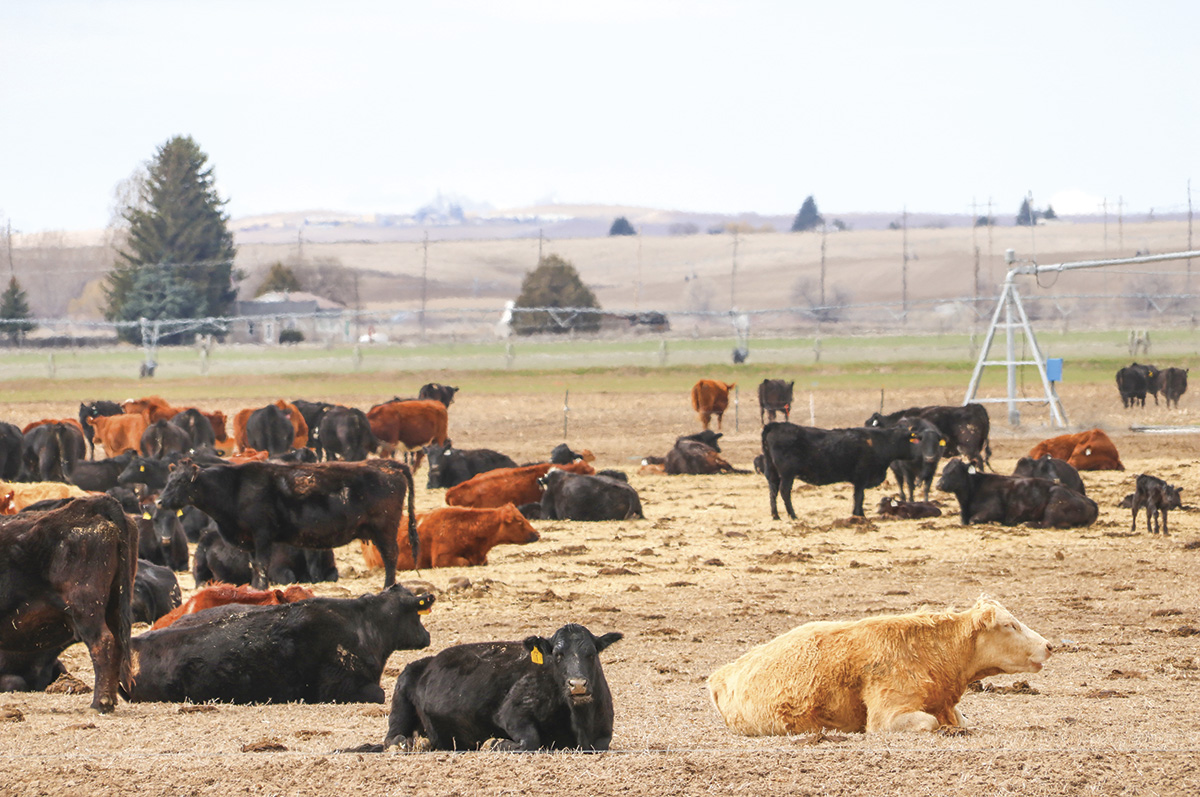
Digital dermatitis lesions tend to be less prevalent in cow-calf and pasture operations than in the feedlot, but care should be taken to check for symptoms when possible. Image by Tyrell Marchant.
How can I manage/treat it?
The industry recommendation is to use proactive management like a footbath, as reactive treatment becomes increasingly costly and complex in later production stages. This may be more practical for feedlots than for cow-calf and pasture operations due to facility restraints and/or lack of infrastructure.
Moreover, there are no straightforward control methods in a pasture setting, and treatment in pasture environments can be logistically complicated. In many cases, effective treatment requires physically restraining each animal in a chute, handling them individually and targeting the affected foot.
Another factor for cow-calf operations to consider is that clinical signs are often subtle or absent, especially in younger, lighter cattle. Lameness tends to set in when cattle put on more weight and that added pressure on the foot agitates the lesion or wart. Since cow-calf operations typically follow a less intensive production model compared to feedlots, mature digital dermatitis lesions tend to be less prevalent.
Environmental and preventive practices include:
- Run all cattle periodically through footbaths, especially once they reach 700 to 800 pounds.
- Run cattle that are new to your operation through footbaths immediately upon arrival.
- Keep pens dry and clean of manure slurry.
What about nutrition?
The common nutritional approach is to increase the amount of organic zinc in the ration. Organic zinc is shown to benefit skin health. Part of the way the bacteria take hold is if there is a break in the skin – the “natural barrier” – and the bacteria can take up residency. Iodine is another mineral shown to have a similar impact on skin health.
Keeping cattle out of acidosis is worth mentioning as well. While not a direct cause of digital dermatitis, rumen acidosis can indirectly contribute to the problem by altering hoof health. Acidosis can cause inflammation and changes in blood flow to the hoof-hairline junction, potentially making the hooves more susceptible to infection. Both digital dermatitis and acidosis can cause lameness, and the combination can lead to significant problems.
What does recent research say?
A recent study at the University of Wisconsin was the first to induce digital dermatitis in naive animals through applying active lesions from other animals. The researchers did this to look at feeding a postbiotic that naturally primes the animal’s innate immune system. The animals fed the postbiotic were less susceptible to developing digital dermatitis and were quicker to recover if they did. This is something to consider as a way of reducing inflammation associated with digital dermatitis.
Digital dermatitis can actually get worse because of the animal’s own immune response. When the bacteria invade, the immune system kicks into overdrive, sending a flood of neutrophils to fight the infection. The problem is that this aggressive response can end up causing more harm than good, damaging surrounding tissue, including bone.
What’s your best advice?
History shows us digital dermatitis is a persistent and challenging disease with no simple cure, but that doesn’t mean it can’t be managed effectively. By understanding how digital dermatitis spreads, recognizing its economic impact and implementing proactive strategies – such as proper environmental management, footbaths and nutritional support – producers can reduce its prevalence and minimize performance losses.
My best advice? Stay ahead of digital dermatitis with a proactive approach because once it takes hold, controlling it becomes much more difficult and costly.
References omitted but are available upon request by sending an email to the editor.