A deep dive into anaerobic digestion technology, this article explores the role anaerobic digesters can play on dairy farms – supporting renewable energy generation, reducing odors and improving nutrient management. While recent changes in policy and markets have added uncertainty to the economics of digesters, the technology remains a valuable option for dairies looking to improve sustainability, prepare for a carbon-conscious future and manage manure more effectively.

Digesters still matter
Anaerobic digestion is gaining attention on dairy farms thanks to its multiple benefits: improved manure handling, reduced greenhouse gas (GHG) emissions, odor control and the production of renewable fuel. However, the momentum built around climate-smart agriculture has faced headwinds lately with less federal emphasis on supporting carbon credit markets or new digester incentives.
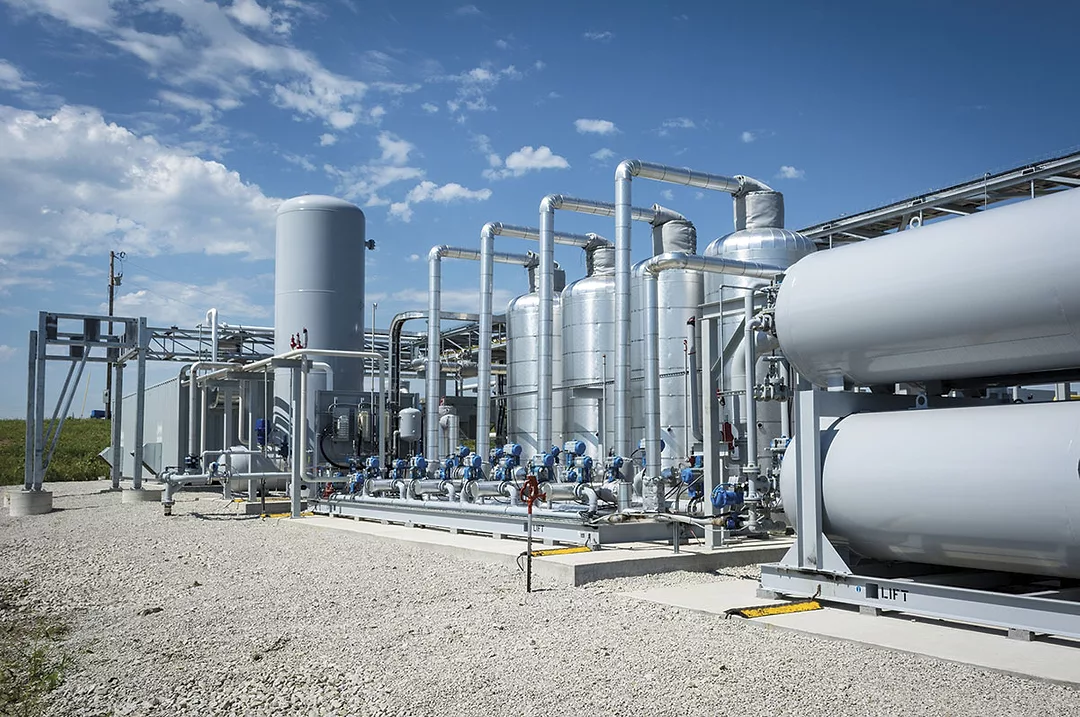
Even so, strong tailwinds remain. State-level low-carbon fuel standards like California's Low Carbon Fuel Standard (LCFS), corporate climate goals and ongoing consumer interest in sustainable dairy continue to drive demand. The EPA's Renewable Fuel Standard (RFS) and California's LCFS still provide revenue opportunities for qualifying projects – especially those producing renewable natural gas (RNG) from manure, which ranks among the lowest-carbon fuel sources available.
In strong market years, low-carbon fuel programs have generated potential values of $500 to $1,000 per dairy cow annually. But real-world returns depend on many factors: market prices, the digester setup, the gas marketing pathway and – perhaps most importantly – the ownership and partnership model used.
You might not own the digester
Here's the reality: Most dairies with digesters don't own them.
Instead, many partner with energy companies or digester developers who design, build, own and operate the system. In these partnerships, the farm typically supplies the manure, and the developer handles the gas production and marketing. This model has significant benefits:
- It reduces the upfront cost to the farm.
- It lowers risk by transferring technical responsibilities.
- It brings in expertise, especially as some companies have a decade or more of experience in agricultural digesters.
- It keeps your focus on what you do best: producing high-quality milk.
But there are tradeoffs. When a third party owns the system, they often control the market upside – the value of gas, credits and related products. Farmers may receive a fixed per-cow payment, manure lease fee or revenue share, depending on the deal.
Not all partners are the same. Some companies now have significant experience managing manure-based digesters and working with farms. Others are newer to agriculture and may lack understanding of the daily realities of managing manure systems. That's why communication is critical.
Set clear expectations early
If you're considering a partnership digester model, it is essential to have open conversations upfront with the developer. Discuss:
- What will change in your manure collection or storage system?
- How much manure is expected and when?
- What happens if volumes or consistency vary?
- Who is responsible for maintenance, storage, nutrient application and compliance?
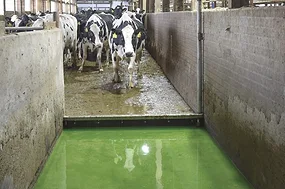
Your nutrient management system may need adjustments – like solid-liquid separation, additional storage or new hauling strategies (Figure 1). Without proper planning, these changes can catch farms off guard.

What else goes in the digester?
Many developers are interested in codigestion – mixing manure with other high-energy materials to boost gas yields. Other materials considered might include:
- On-farm materials like corn stover, spoiled feed, bedding or other crop residues
- Off-farm materials like food waste, bioprocessing residues or industrial organics
These materials can improve gas production and project economics and impact your nutrient plan. Additional materials mean more digestate, which may:
- Require more land for nutrient application
- Necessitate solid separation or additional storage
- Change the nutrient content or consistency of the manure you're used to handling
Ensure you understand how feedstock decisions affect your farm – not just the digester's gas production. Digesters should support your system, not overload it.
Digesters as a fit for your farm
Anaerobic digestion works best on farms with liquid manure handling systems – like flush, scrape or vacuum systems – with centralized collection (Figure 2). Covered lagoon systems can work in warmer climates, while heated tank digesters are better suited to northern states but come with higher costs.

Whether you go it alone or work with a partner, choosing a system that matches your farm's scale, labor availability and goals is critical. Farms with under 1,000 cows may struggle to make the economics work, but modular systems and community digesters may change that.
The bottom line
Even as federal carbon policy shifts, digesters remain a strategic tool for dairies. They improve odor and nutrient management, reduce GHG emissions and provide access to emerging renewable energy markets. Even with these potential advantages, the economics and day-to-day implications depend on how the digester fits into your manure system – and how well you communicate and plan with your project partner. A digester can be an asset for decades, but finding the right partnerships is critical for success.
If you are interested in learning more about how anaerobic digestion might fit on your farm, Iowa State University Extension and Outreach hosts a webinar on the second Tuesday of the month at 1 p.m. Central time.