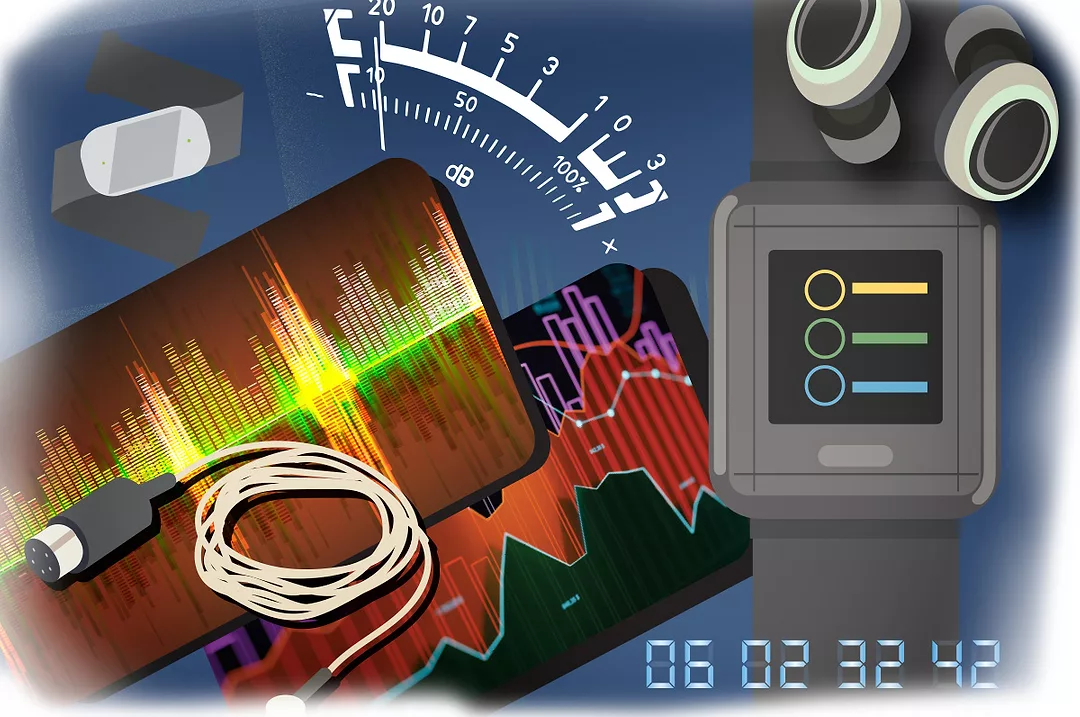
Wearable technology is transforming agriculture by addressing critical challenges in farm labor health, wellness and safety. From monitoring environmental hazards to tracking biometric data, these devices offer innovative solutions to improve worker well-being and operational efficiency in agricultural settings.

Aaron Yoder, associate professor at the University of Nebraska Medical Center (UNMC) Department of Environmental, Agricultural and Occupational Health, presented his research findings on the topic in a recent University of Vermont (UVM) Extension New Farmer Project webinar hosted by Community and Economic Development Specialist Mary Peabody and UVM Extension New Farmer Project member Beth Holtzman. Yoder’s presentation explored various ways wearable technology can be utilized to enhance worker safety, a subject he is passionate about.
“I like the intersection of agricultural safety and health and technology,” Yoder said. “The first step in identifying applications, benefits and considerations of wearable technology in agricultural settings is identifying hazards workers are exposed to.”
Hearing loss
Hazards agricultural laborers encounter include noise-induced hearing loss, heat illness, ergonomic injuries, fatigue and poor air quality. Wearable technology provides tools to identify, monitor and mitigate these risks. Yoder noted that approximately two-thirds of farmers experience hearing loss due to prolonged exposure to loud environments, a condition known as noise-induced hearing loss. This damage typically occurs over time and is irreversible.
“This type of hearing loss is preventable,” Yoder said. “Wearable devices such as sound level meters and smart hearing protection can monitor noise levels and protect workers. Apps like Decibel X log noise exposure over time, while devices like Ryobi’s hearing protection earbuds offer certified noise reduction and situational awareness by filtering sounds through external microphones.”
For workers needing to maintain awareness of their surroundings and allow other sounds to filter through a hearing protection device, bone conduction headphones may be an option. These devices transmit sound through the skull.
“Bone conduction is how we hear ourselves talking,” Yoder said.
Sound waves vibrate the skull bones. It’s more difficult for the average individual to distinguish sound conveyed through the bone as opposed to sound transferred through the air. However, it is a hearing protection option.
“To determine what type of hearing protection is best, identify the type of hazard, length of exposure and frequency,” Yoder said. “Decibel X will log times of exposure and decibel levels. It runs while you’re working and can be customized for sound level alerts.”
Heat illness
Heat illness is a common safety concern since agricultural workers are frequently exposed to high temperatures and excessive humidity. Both factors raise the risk of heat-related illness. Wearable environmental monitors, such as Kestrel Drop devices, can monitor temperature and humidity conditions. The device is rugged, waterproof and operates on Bluetooth smartphone systems to log temperature and humidity data.
“These devices can provide alerts for break times, so workers stay hydrated,” Yoder said. “Unlike OSHA’s Heat Safety Tool, which relies on distant weather station data, wearable devices offer localized measurements. Biometric wearables can also detect early signs of heat illness by monitoring heart rate and skin temperature, though environmental monitoring is often prioritized for prevention.”
Yoder recommends preventing heat illness rather than attempting to detect heat-related issues after they occur.
Ergonomic injuries
Ergonomic injuries result from repetitive movements and/or using poorly designed tools, contributing to musculoskeletal injuries. Preventing repetitive movement injuries and stress injuries involves tailoring tasks and tools to the individuals performing the job.
“Heart rate monitors, such as Polar bands or less costly alternatives, help assess task intensity,” Yoder said. “By comparing heart rates across tools or tasks, employers can optimize equipment to reduce physical strain. For instance, a study with a tool manufacturer used heart rate data to design a shovel that minimized worker exertion.”
Workers may resist wearable technology if it isn’t comfortable. Watches, devices such as a Fitbit, arm bands or hatband heart rate monitors are among the options.
According to a National Safety Council study, 77% of workers reported feeling fatigued, and approximately 40% admitted that fatigue played a role in their workplace injuries.
“Many studies verify that fatigue impacts workplace safety,” Yoder said. “Many fitness trackers do a good job of tracking sleep. The sports industry now monitors players during practices and events to assess their performance. I’m not sure we want to apply these concepts to agriculture, but we can learn from these industries how to keep workers safer and healthier.”
Fitness trackers, such as Fitbits, monitor sleep patterns to assess fatigue levels. Other metrics, such as resting heart rate or galvanic skin resistance, can also indicate fatigue.
Respiratory risks
Particulates from dust, grain or wildfire smoke pose respiratory risks. Wearable air quality sensors, such as those from Plume Labs, measure particulate matter levels in real time. They help identify a need for respiratory protection, particularly in grain handling or animal confinement facilities.
“Air particulates are fairly easy to measure,” Yoder said. “Air quality monitoring devices have been developed in countries where pollution is a significant problem. Be aware that some devices come and go. In developing policies about wearing and using specific devices, make policies flexible to accommodate updated technology.”
Typically, air quality devices don’t identify particulate types, but provide alerts when levels exceed standards.
“When using something like this at a location, not every worker needs to wear one,” Yoder said. “Data can be saved to a crowdsourcing site to create a map that identifies the air quality of specific locations. The same thing can be done with noise measurements.”
Selecting and implementing wearable technology involves numerous considerations. Yoder recommends the Marshfield Clinic Mobile App Evaluation Rubric to help identify appropriate selections.
Choosing wearable devices involves evaluating functionality, usability, durability and privacy. Key considerations include:
- Compliance and adoption: Only about 50% of users continue using wearables after a year, according to Endeavor Partners.
- Durability: Agricultural environments require ruggedized devices, such as Kestrel Drops, that can withstand dust, moisture and physical stress.
- Data privacy: Workers may be concerned about the collection of biometric data. Environmental monitors (e.g., noise or heat sensors) are less invasive, making them a good starting point.
- Integration: Devices with open application programming interfaces (APIs), such as Polar monitors, enable integration into broader safety systems, including dashboards for real-time worker monitoring.
“Wearable technology is already making an impact,” Yoder said. “For example, a farmer in northern Indiana with asthma used wearable sensors and cameras to manage grain augers remotely, integrating heart rate data to enhance safety by shutting down systems if distress was detected. Similar systems could be applied to monitor farm workers, ensuring timely interventions.”
Wearable technology could integrate with virtual and augmented reality for training, such as hazard identification or equipment operation. Borrowing from industries such as construction and first response, agriculture can leverage mapping tools to identify hazards on farms for workers and emergency responders.
Initially, farm managers can:
- Use free tools, such as OSHA’s Heat Safety Tool or Ladder Safety App, to assess environmental risks.
- Pilot affordable wearables to test efficacy.
- Consult resources from centers funded by the National Institute for Occupational Safety and Health (NIOSH) for guidance.
“Wearable technology offers a powerful toolkit for enhancing farm labor health, wellness and safety,” Yoder said. “By addressing hazards like noise, heat and fatigue, these devices empower workers and employers to create safer, more efficient agricultural environments.”