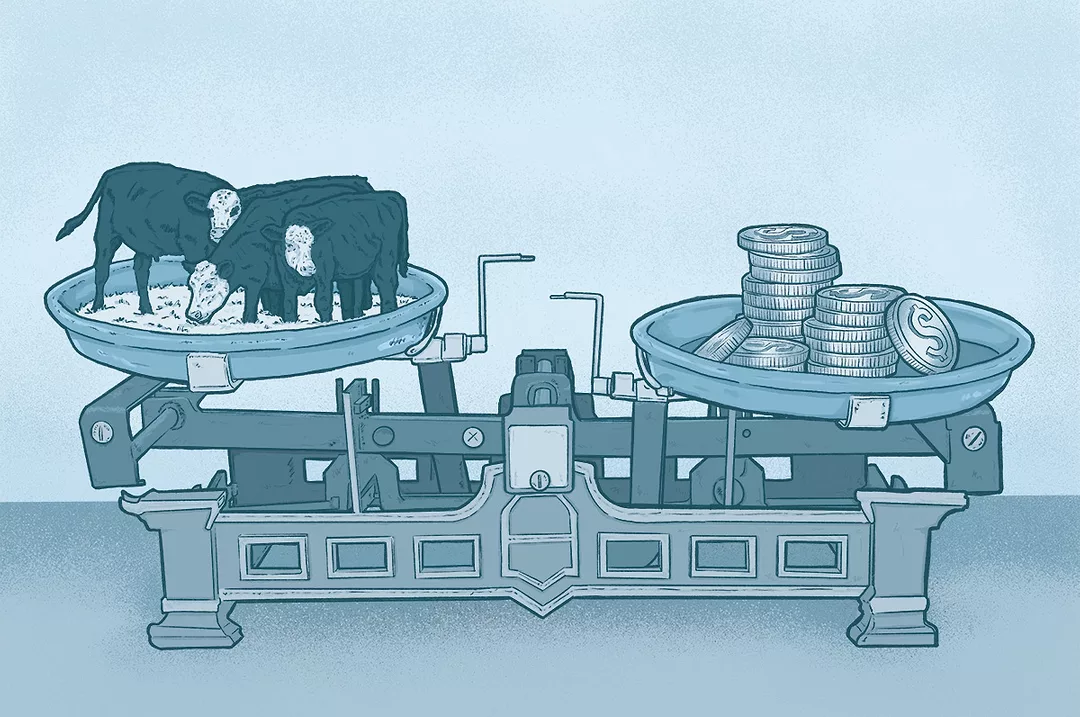
Chasing cattle production perfection is a commendable goal, but could it be too costly and unrealistic for some operations? Will aiming for “good enough” help balance expenses, resources and challenges such as weather and market shifts?

Adapting to individual goals and resources
“Mediocrity in raising cattle boils down to goals, reputation and perception,” says Garren Bellis, a business and risk management consultant with Compass Ag Solutions. “In some areas, a producer could add every bell and whistle to a calf, but if the region has a reputation for not doing those things, buyers may not be looking for those types of calves. In other areas, it’s expected.”
Depending on location, it may not be possible to work and process animals multiple times, leading to variations in treatments such as vaccinations, dehorning and castrating. Basic care may suffice for a calf to be top-rated in certain areas, while elsewhere, more extensive attention is required.
“I think in simple terms, if we’re putting in X and getting out Y, our output must be greater than our input or there’s no incentive to upgrade or add quality aspects like genetics or a health plan,” Bellis says. “Inputs must have an economic return, or they won’t be viable.”
Feedlots aren’t static entities. They vary by region, with some preferring all the bells and whistles while others prefer what they consider No. 2 or 3 grades, banking on time to naturally upgrade their animals' efficiency and quality.
“One man’s trash is another man’s treasure,” Bellis says. “Lower quality for one rancher might be higher for another.”
Revenue-based comparisons and long-term plans
Bellis recommends producers assess procedures such as dehorning and castration and draw a revenue-based comparison to confirm expense and return levels.
He admits there may be some advantage to simply having live calves go to market, especially with today’s high prices, but he wonders how far value-added practices will go before markets begin to erode or the pricing dam breaks.
Bellis believes it’s critical to have a 10-year plan influencing all cow-calf decisions. Given the production lag and uncertain signals from the feedlot sector, it may take years to reach the desired point, while the marketing environment continues to evolve.
“Try to make decisions based on what will be best over the next decade, not only today,” says Bellis.
Managing a herd involves understanding the cattle cycle and its economic implications. When costs are high, focusing on weight gain could be especially beneficial. Conversely, when the supply shifts, investing in high-quality calves often becomes more profitable.
“Strategic planning over 10 years helps navigate these cycles effectively, but diversifying management approaches, such as prioritizing pounds versus quality genetics, requires careful consideration,” Bellis warns. “Today’s decisions will impact future outcomes due to the time involved in breeding, raising and finishing calves. Hitting the right demand signals should lead to success, but miscalculating can be costly.”
Fit with personal obligations or desires
Sarah Berckenhoff, owner of Texas Farm and Ranch Solution, isn’t a trend follower, as she believes trends change before a person or operation catches up.
“I don’t think people should change their herd just because,” she says. “If they have mediocre cattle, it still takes a lot of money to bring them from birth to pasture to sale. If they’re comfortable, then keep going. But, in my opinion, producers should target higher quality, as they’ll have more diversification options. If all we have is mediocre, it’s the end of the story.”
Berckenhoff believes operations typically raise livestock using three strategies and methods:
- To be profitable, doing everything they can and continuing to learn along the way
- To gain a write-off and an agricultural exemption
- To continue their family’s legacy.
“If they’re happy with their reason for raising cattle, if they’re not trying to be better, not improving the meat quality, not using data for profit, not following the markets, not targeting better bulls or females and only putting the profit in their pockets, it’s fine,” says Berckenhoff. “Everyone has their own goals. There’s no one-size-fits-all.”
Berckenhoff explains producers have diverse stories and resources. Some own larger herds, while others are doing their best to break into the sector due to high prices. Conversations differ between regions regarding prices, goals, feeding practices and weather conditions.
Apply data based on a business model
“Use personal data without copying others and determine what works for your situation,” Berckenhoff says. “Ensure the necessary resources are available. Choose the right breed, set goals and focus on resources and desired outcomes. Blanket statements don’t work. Everyone’s definition of ‘mediocre’ varies. Prices fluctuate by the hour depending on area, sale timing, buyer attendance and market influences. Make data specific to your farm work for you to calculate costs and maximize profit.”
Many cattle producers choose to continue the status quo and aren’t certain where their enterprise fits simply because they don't realize they're managing a business. The government categorizes their activities as either a hobby or a business, impacting their tax deductions. Understanding this difference shifts mindsets.
“Anyone can make money, but businesses make profits,” Berckenhoff says. “Reassessing goals – whether focusing on quality, quantity or both – requires time to establish the right females for the herd or the best calves for the feedlot. While some have plenty of time available for this, others are content as weekend farmers, happy to put out a bale and do a drive-by once a week.”
She believes different animals serve different purposes, whether for feedlots, recreation or specific regional preferences. While buyers typically assess orders based on price and end goals, it’s important to diversify sales strategies, utilizing options, including auctions, feedlots, direct sales or other possibilities.
“Every animal has a purpose; they just need to be put in the right hands,” Berckenhoff says. “Producers satisfied with their operation won’t likely change things. They’ll keep going to the same sale barn and breeding to the same bull. If, on the other hand, they work toward improving and becoming known for raising better beef, they’ll eventually achieve higher quality and a more desirable product that buyers will always want.”