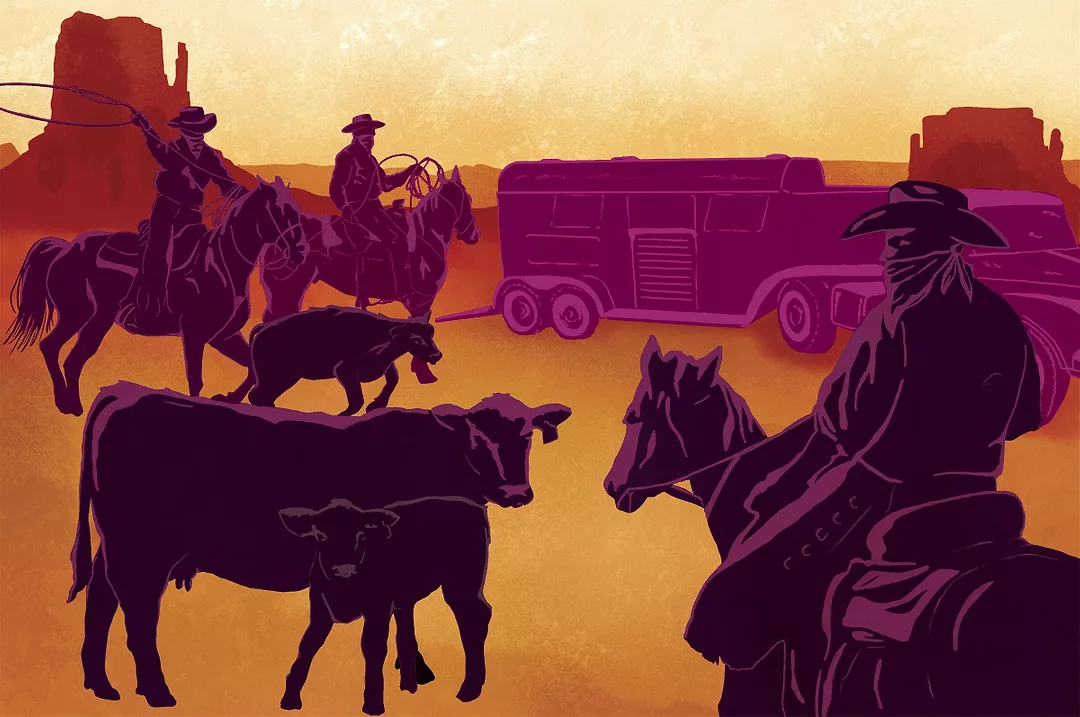
Cattle and horse theft isn’t a hangin’ offense in the 21st century. Life and the law which governs us are quite different than in the world of John Chisolm, Charles Goodnight and the other early cattlemen of the North American frontier. Still, ranchers today suffer some of the same maladies even the Spanish vaqueros went through. By that, I mean cattle theft. Many may not realize it, but cattle theft continues in 2025, just as it did in centuries past. No, it doesn’t look like the cattle theft that took place in Lonesome Dove, but there are plenty of people sitting in jail today for the theft of livestock.

These crimes have their own 21st century flavor to them: trucks, trailers, fraudulent checks and credit cards, misleading photographs and advertisements, etc. However, there is still the good old-fashioned fraudulently altered brand with a running iron, just as was done back in the days of the cattle drives.
As comedian Dave Chappelle says in one of his famous skits, “Modern problems require modern solutions.” So what are some 21st century solutions to livestock theft in the 21st century?
Written agreements
Handshake deals are often the way of the world in many areas of the agricultural industry. But they do not come without their downfalls. It’s often wise to protect yourself by putting those agreements down in writing.
Know your fence laws
Different states have different fence laws. In Texas, for example, some counties require you to fence in your livestock; other counties are “open range” and do not have such a requirement. If you have livestock – or plan to have livestock – on your property, it’s wise to do some research into the stock laws and fence laws in your state – and perhaps even your county.
Know your county estray deputy/livestock ranger
If your county has an estray livestock deputy or there is a livestock ranger who covers your area, it is good to reach out to them and establish a relationship. For example, Texas and Oklahoma have the Texas and Southwestern Cattle Raisers Association that specifically focus on theft of cattle, horses, livestock welfare, etc. Forming a strong relationship with these officers of the law can help if you need their assistance. Show them your cattle, your brand and introduce them to your employees. The easier they can identify your stock, the quicker you can get them back should they be stolen.
Identification: Eartags, register a distinct brand
It is difficult for even the best stockmen to distinguish between his own cows in a herd, especially when they’re a common herd of black cows with no brand, no eartag and no ear notches. Some form of identification can make a world of difference. If your county or state has the infrastructure, register your brand with them or the appropriate organization. Have a distinct brand that’s easy to read and difficult to alter, if possible.
Online sale verification
In today’s world, with the internet being the platform for many sales, doing your due diligence is more than necessary. Research the person or company you are buying/selling from. Ask questions about their operation (how many head and/or acres do they have, plans for the livestock, why are they selling). If something seems fishy, dig a little deeper or avoid the deal entirely. And if the deal just seems too good to be true, it probably is. Due diligence is key!
Good fences and gates make good neighbors
Robert Frost made famous the quote, “Good fences make good neighbors.” Frost had a small farm himself, and he likely was speaking from experience. A quality, impenetrable fence not only keeps your stock in, but it also keeps your neighbors out. Motivated bulls can challenge even the best fence, so do your diligence in checking your fences often. The better your fence, the better chance to avoid disputes with a neighbor.
Trustworthy employees, hands, transport
Like any business, you ought to hire trustworthy employees. Whether it is a temporary/seasonal day hand, a full-time manager or a truck driver, your help needs to be the best you can hire. Vet your prospective hires, call around and see if your neighbors have worked with these people before, look them up on the internet, call that cattle ranger you have become friendly with and ask their opinion about the person. And, like lease agreements and other agreements, memorialize your employment agreements in writing.
A good relationship with your veterinarian and local auction barn
Those who see the most livestock are the local veterinarian and the local auction barn. The auction barn is also the most likely place to get rid of stolen cattle, as well as write a fraudulent check for a wagon load full of cattle. Knowing those in charge at those places can often increase your chances of your stock being noticed if it goes missing.
Interesting ideas
- Geotags: Check out this Progressive Cattle article by my friend and colleague Kyle Weldon about a new technology in the cattle monitoring world: geotags.
- Cameras: A well-hidden game camera (similar to those used for hunting) can be an effective tool in catching thieves. While they’re relatively low-cost and easy to set up, they’re sometimes easy to spot on a fence post or property entrance. Consider getting one that blends in well with its desired location.
Conclusion
Some practical theft prevention can go a long way in keeping your stock yours. With cattle prices where they are at now (June 2025), even just a few head are more tempting than ever to steal. If New World screwworm hits American cattle as hard as the nation is preparing for, prices may shoot even higher. So use this article to help prevent any thieves out there eyeing your valuable cattle.
Special thanks to Texas and Southwestern Cattle Raisers Association Special Ranger Kenny Murchison for his consultation and advice.