It is not uncommon to hear family members or employees complain about being micromanaged. Though the intentions of management are to ensure quality, timely and efficient production, their techniques for accomplishing this may leave employees feeling unappreciated, dissatisfied and inadequate.

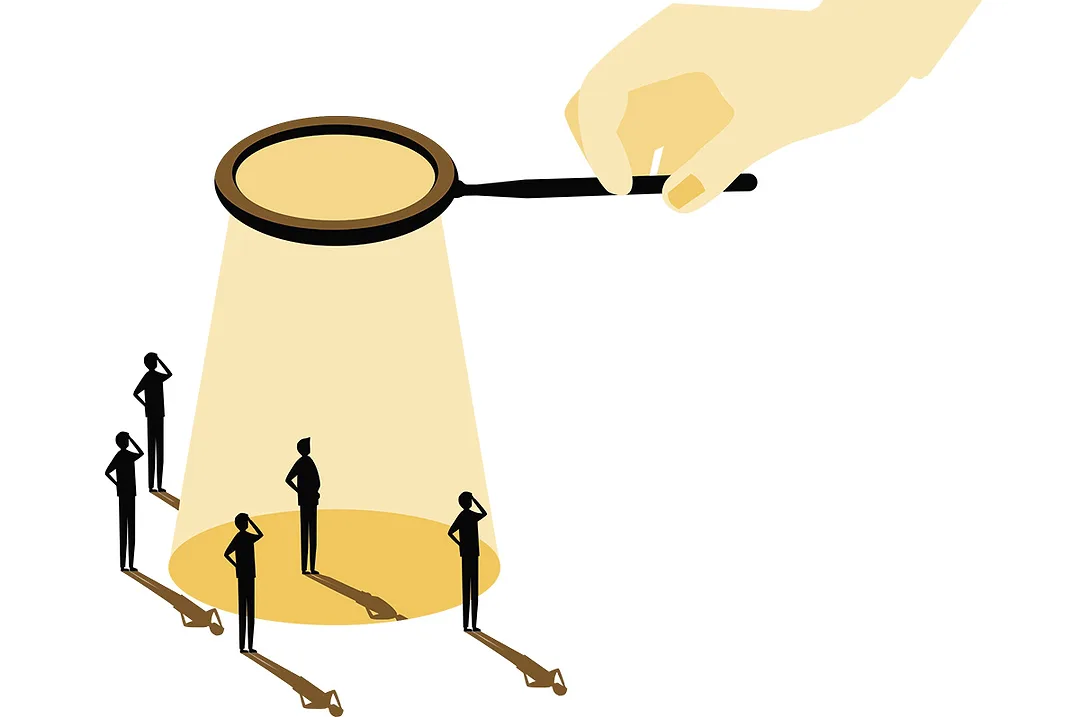
Micromanagement in the workplace is characterized by excessive oversight and scrutiny of an employee's work. It involves a manager closely monitoring every detail, often causing employees to feel they are under constant surveillance. These managers tend to be overly involved in every decision, hesitant to delegate tasks and extremely focused on small details, hindering employee independence and creativity.
Managers and owners may develop a tendency toward micromanagement for several reasons. The manager may fear that their employees will do something wrong and tarnish their personal reputation. Some do this because it makes them feel more connected to their lower-level workers. They may go through a situation when the business is not meeting production goals, profitability has been reduced or some other situation that draws them closer to production processes because they want to get back to the expected level of productivity.
Employee attitudes and perspectives
Though in most situations when employees complain about being micromanaged there is ample evidence, there are times when people feel micromanaged because they simply don’t like being told what to do. Some feel micromanaged if they are trying to prove themselves, they feel like their team has worked well together and they don’t need to be monitored, or they have their own way of doing the job and don’t want interference from anyone else.
In these situations, it is important to remind the staff of a basic management principle that applies to every business. The principle is, “Anything that isn’t consistently monitored, eventually will not be done consistently.” Every area of a business needs to be monitored on a regular basis. If not, procedural drift will occur, which is when production goals and quality slowly drop below desired levels. Employees begin taking shortcuts and become complacent in their production practices. Consistent monitoring is a good business principle, yet managers and owners need to avoid overdoing it.
We want our employees to be accountable for their performance, but holding people accountable is not achieved by micromanagement. For them to be personally accountable for their performance, they need to be allowed to prove this on their own. If the manager is always looking over the employee’s shoulder while they do their job, an employee does not have a chance to prove they are accountable.
Employees who are genuinely micromanaged will experience being taken off one task and put on another “higher priority” job by the manager before they are finished with the original job. They might even be taken off that job after an amount of time and shifted to yet another different job. This leads to complaints that they never get to finish anything, which increases their dissatisfaction. They see several different jobs scattered around various parts of the business, none of them finished. Some tools are left with those jobs, leading to disorganization and frustration.
One of the most unfortunate outcomes of being micromanaged is the effect that it has on the employee’s overall engagement level and sense of job satisfaction. It is hard for an employee to feel valued and capable if they rarely feel that they are trusted, cannot point to something they fully completed during the day and generally feel like a piece of machinery that needs to be operated at maximum production every minute of every day.
Indicators of micromanagement
Here are some common indicators of micromanagement for owners and managers to look for and correct.
- Every task needs approval before it is started, there are regular check-ins with the person doing the job, and a full inspection is required before the employee is allowed to proceed to the next step.
- The manager or owner continually updates procedures to try to improve quality or efficiency without asking the employees for their input, nor justifying to employees why the changes are necessary.
- A member of leadership or management needs to be included in every communication.
- Overly complicated instructions are routinely issued.
- No flexibility is allowed for how to perform any task, and there is zero tolerance for mistakes.
- Owners and/or managers believe that no one else is capable of doing the tasks as well as they can, and that “Good people are hard to find, so you just have to stay on top of everything, and everyone, all the time.”
Strategies to eliminate micromanagement
- Think twice before taking a person off a job to go do something else that needs to be done. Is it absolutely necessary right now to make this change?
- Plan ahead for the entire day, and do your best to structure the day so that people can stay on their jobs as long as necessary to complete them.
- When there is a task that is important and detailed, put someone on that job and don’t interrupt them or allow anyone else to interrupt them. Make it clear that the job needs to be done correctly and the person doing the job needs to stay focused for long periods of time.
- Explain the reasons that you sometimes must pull them off one job to complete another.
- Teach them about priorities and follow the strategy you teach. When the manager or owner has a well-defined set of priorities, they will be less prone to micromanagement.
- Provide an estimate of how long a job should take to get completed – and don’t bother them until that time or until they are done ahead of that time.
- Ask for feedback from your employees on anything you are doing that feels like micromanagement and get specific examples of times they felt micromanaged. Work with them to develop a strategy for avoiding this. Give them permission to speak up if they feel micromanaged.