Boise, Idaho, played host to the Beef Improvement Federation’s (BIF) annual research symposium and convention June 1-4, 2026. Per event organizers and attendees, the event was a rousing success, with more than 400 attendees gathered to mingle and discuss the latest innovations in beef cattle genetics.

BIF is an organization dedicated to connecting science and industry to improve the efficiency, profitability and sustainability of beef production through genetic improvement. The annual event is a who’s-who of thought leaders in beef academia, top seedstock and commercial producers, breed associations and respected voices from up and down the beef supply chain. The majority of attendees were from the U.S. and Canada, but sprinkled through dialogues could be found accents from Europe, Africa, Asia, Australia and New Zealand.
While speakers and presenters came from all over North America (and, indeed, the world), a significant portion of the program showcased the traits required for cattle to thrive and be profitable in the arid Intermountain West.
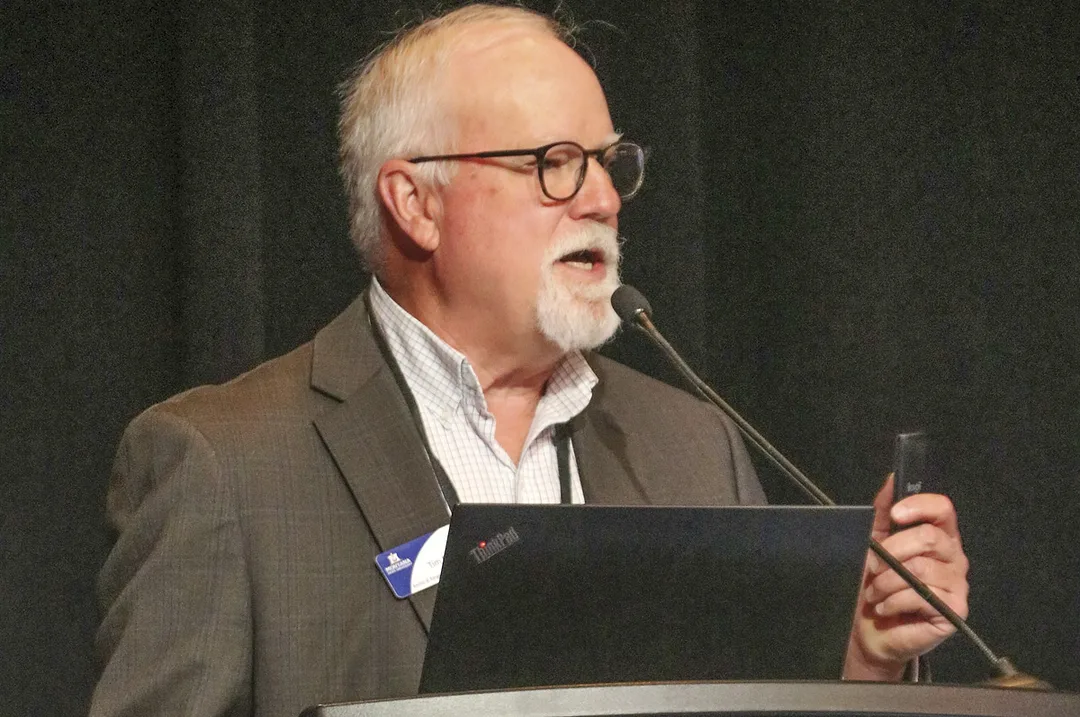
Tim DelCurto of Montana State University spoke on the importance of selecting cattle that thrive in the environment they’re being raised in – and what exactly it means to thrive.
“Whether or not an animal fits [on a particular operation] is really a function of reproductive success,” DelCurto said. “That cow has to calve every spring, has to breed during your breeding season, has to wean a calf each fall and has to do it all over again the next year.”
So what does that cow look like? DelCurto said he hates to tell producers this, but the answer is often, “It depends.” If producers know what they want their final product to look like, truly understand the land they work on and are realistic about their resources, only then can they really home in on what their herd’s genetic needs are. He joked that cattle in the West need to “learn to graze and trot at the same time,” and pointed to the swinging pendulum of industry standard cattle sizes over the past century or so as evidence that there really is no one-size-fits all phenotype for the U.S. beef industry. Even in the past 30 years, cattle have changed significantly, with typical frame size shrinking but weights increasing.
In what he admitted was an oversimplification, DelCurto said, “It really doesn’t matter what your ideal phenotype is. If they come in bred every year, if they wean a calf and if you can get enough marketable product from that animal to keep your margins in the black, that’s where you need to be.”

Randall Raymond, director of research and veterinary services for Simplot Livestock, shares data on his company’s research into the heritability of traits, such as average daily gain, feed intake and marbling at the 2026 BIF Symposium. Image by Tyrell Marchant.
Randall Raymond, director of research and veterinary services with Idaho-headquartered Simplot Livestock, spoke to attendees about the company’s genetic approach to producing efficient, high-profit beef cattle. Though perhaps more famous for its contributions to the potato industry, Simplot has developed into a respected name in the beef world, particularly where genetic research is involved. Since 2011, Simplot has been carefully analyzing the performance and genomic merit of its Charolais and Charolais cross cattle to develop strong terminal lines of animals that perform well in the feedlot, on the plate and in producers’ bank accounts. Intensively selecting for feed intake, weight gain and marbling have been key in getting the results Simplot – and the market – are looking for.
“We [at Simplot] have always overweighted marbling in our economic index based on what the industry actually pays for marbling,” Raymond said. “… We’ve done that because we feel like that is a part of the eating experience that we need to generate, even if the segmented portions of the industry don’t pay what that’s really worth.”
Raymond described how Simplot’s calf crop from 2024 to 2025 saw a massive, intentional jump in marbling. With the genomic analysis and technology available to livestock producers today, he believes that big year-to-year improvements in specific traits can soon be the norm for a lot of producers.
“We can change these traits overnight when we change our discipline and we change our focus,” he said. “If a trait can be measured and it’s heritable, we can, with discipline, apply selection pressure, and we can change populations.”
During the BIF Symposium, Colyer Hereford and Angus of Bruneau, Idaho, was named the BIF Seedstock Producer of the Year; and Autauga Farming Company of Autaugaville, Alabama, was named the BIF Commercial Producer of the Year.
“We tried to create a flavor of our area of the U.S.,” said University of Idaho professor and beef cattle specialist John Hall, who served as co-chair of the local organizing committee. “We wanted to give people an understanding of the breadth of the Idaho beef industry all the way from seedstock and commercial producers through the feeding industry and the packing sector, and even made sure they understood the role of the dairy industry in the beef industry in Idaho.”
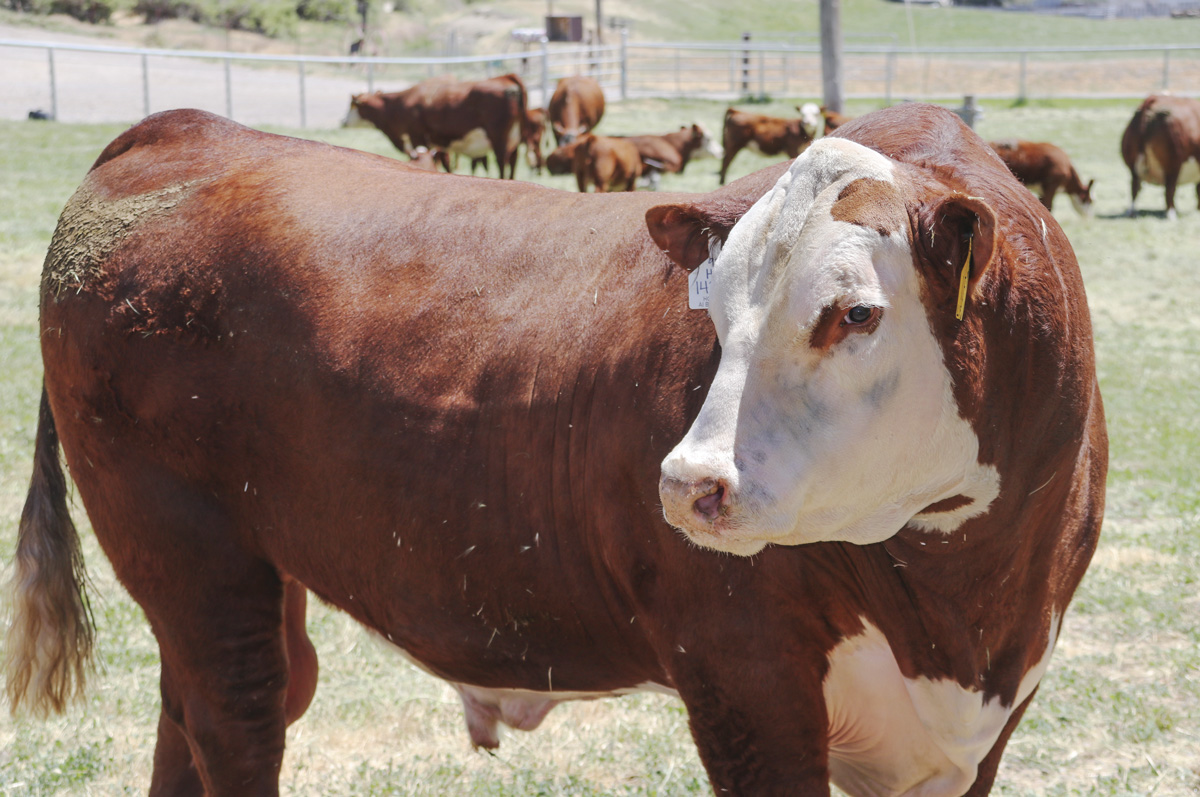
As part of the BIF Symposium's tour of local producers, attendees visited Colyer Hereford and Angus in Bruneau, Idaho. Image by Tyrell Marchant.