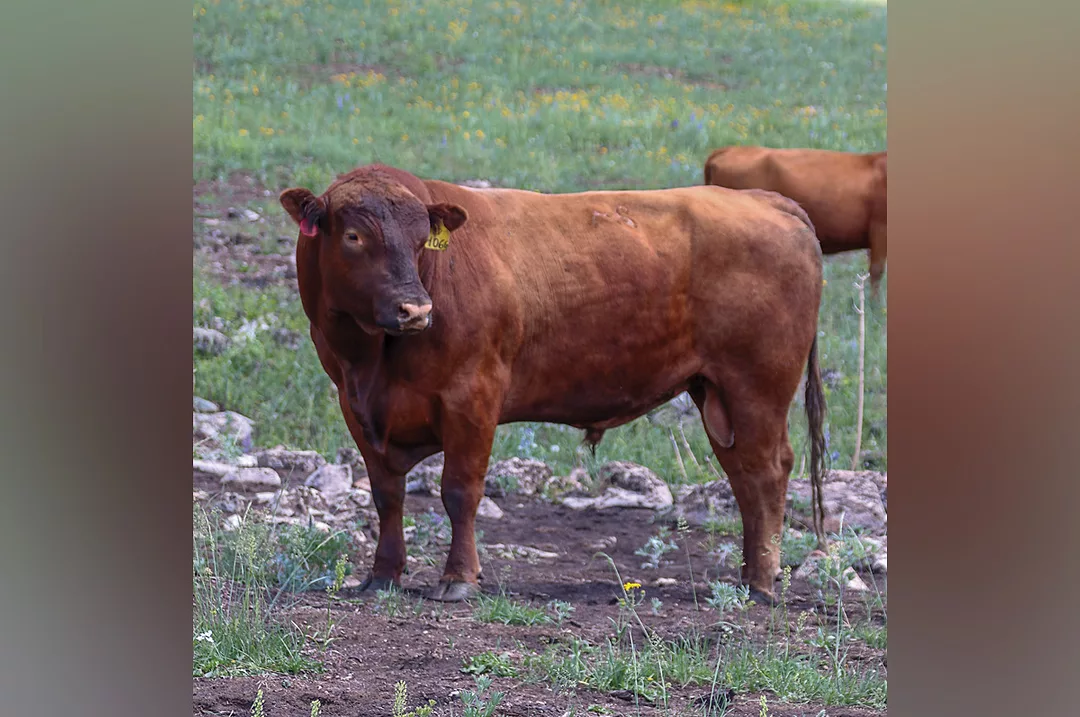
In my part of the world, the breeding season ended in midsummer. Bulls were pulled and attention shifted to calf weaning and cow pregnancy diagnosis. When the time comes, you will have the opportunity to collect valuable production data that, when added to your birth records, can allow for an evaluation of your herd performance and management style. Purebred seedstock producers will be collecting this information to report to their respective breed associations, but commercial producers may be filing this data away without giving it a thorough look. Although the bulls may be in a distant pasture, don’t forget about using this data – and other information you could collect – to evaluate their contribution to your success.

How did he handle the breeding season?
A bull’s fertility can fluctuate during the breeding season. He may have passed a spring breeding soundness exam with flying colors, but was he able to maintain his fertility throughout the breeding season? I imagine your goal is that every cow gets bred. More realistically, most would be happy with a 90% to 95% conception rate, and as an industry, we are closer to 85% in a 60-day breeding season. When palpating cows, determine the percentage of your cows that were successfully bred during the first 21 days of the breeding season versus those that caught toward the end or were found open. The goal should be for about 65% of your cows to have conceived during this period, with the remaining 20% to 30% catching over the next 40 days. If you had early success, but your late-season results were less than expected, you will want to make sure you can rule the bull out as a source of your problems.
You should body condition score (BCS) and weigh each of your bulls at the conclusion of the breeding season. Compare this data to where he started. It is reasonable to see him lose one or two BCS points and 100 to 200 pounds. If he lost considerably more weight, you will need to carefully evaluate how he fits in your management style. It is also valuable to perform a postseason breeding soundness exam to see if he maintained adequate motility and morphology all the way to the end. The postseason exam and veterinary evaluation can determine if he finished strong and didn’t sustain any injuries that could have prevented him from servicing cows. Your bull should be included in any other herd health management practices you similarly perform on your cows.
Evaluate the current calf crop
As I alluded to earlier, there is a lot of performance data collected each fall. We usually focus the evaluation of that data on the cow’s contribution. Calf performance is related to several factors. The environment, your management, the cow’s milking ability and each parent’s contribution to the calf’s genetics all play a role in the calf’s final numbers.
It can be difficult to identify a bull’s contribution to calf performance, depending on how you may have managed your breeding groups and if you used artificial insemination (A.I.). At a minimum, you can compare average birth and weaning weights, weight per day of age, temperament and incidence of illness between the sires you used to see how the herd bull, or bulls, stack up. If you have used the same sire for multiple years, compare his performance over time. If you feed out your steer calves, you can add their yearling performance as well as heifer pregnancy rates, hair shedding score, and feet and leg scores to your dataset.
Preparing for next year
Fall is your best chance to get your bulls back into condition before winter adds additional environmental challenges. Remember that your young bulls are still growing. In addition to replacing the weight they lost, you will need to feed them to continue to grow toward their final mature weight. It is best to keep the younger bulls separate from your older bulls. This will allow you to better address their nutritional needs as well as prevent them from being injured from fighting. If you house bulls in drylots, you should allow about 500 square feet of pen space and 30 to 36 inches of bunk space per bull.
Mature bulls can regain their condition and be maintained through the fall and following winter on all-forage diets. A typical 2,000-pound bull will need 37 to 40 pounds of dry matter providing 46% to 50% total digestible nutrients (TDN) and 7.5% crude protein (CP). Your younger bulls will have a lower daily dry matter need, but you should anticipate them consuming about 2% to 3% of their bodyweight daily, and the diet needs to provide 50% to 60% TDN and 7.5% to 9.1% CP to have them gain 0.5 pound to 1.5 pounds per day. Fall pastures should be sufficient to meet their needs, but if you see that they are not gaining as expected, you may need to supplement them with 0.5 to 1 pound of grain per 100 pounds of bodyweight.
It is easy to focus on your cows and calves this time of year. As your bulls provide 50% of the genetics in your calf crop, it is also important to evaluate your herd’s performance from the bull’s point of view. Careful evaluation of your bull’s performance will aid in the decision on whether he gets to service cows next spring or if you can take advantage of the strong cull bull market.
I am not sure who gets the credit for the saying, “You can’t manage what you don’t measure,” but I encourage you to take full advantage of the opportunity to collect this valuable production data and use it to assess and improve your operation.