Dairy producers’ awareness, perceptions and barriers to early detection and treatment of lameness on dairy farms: A qualitative focus group study
Journal of Dairy Science Vol. 108 No. 6, 2025 – This article from researchers from the University of Guelph and Prince Edward Island describes a study whose objectives were to understand awareness, perceptions and barriers to implementation of established best management practices (BMPs) for early detection and treatment of lameness of participant dairy farms. For this purpose, the authors enrolled 35 dairy farmers from two regions of Ontario (southwestern and eastern Ontario). From the analysis of the data, four themes were identified: (1) perception and rationalization of lameness, (2) reconciling perceived effects and the ability to effect improvement, (3) assessment strategies and (4) mild lameness detection challenges.

The authors provide some background information indicating that lameness is a common and painful condition, making it an important issue in the dairy industry. Whereas moderate and severe cases of lameness are likely to be noticed and dealt with by most dairy producers, mild cases are often overlooked.
The authors use terminology from the Canadian dairy industry national assurance quality program, proAction, which includes periodic mobility scoring of a random sample of cows. The proAction reference manual uses scoring on a 5-point scale, which refers to “mild or moderate limp present (equivalent to Score 3),” and directs that these be scored as “monitor” rather than “requires corrective action” for scores 4 or 5. The authors say that these classifications may imply that mild lameness does not require action. On the other hand, the BMP is to identify and treat cattle with lameness promptly and effectively. Treatment of newly lame cows with three doses of a nonsteroidal anti-inflammatory drug, orthopedic foot block and therapeutic hoof trim significantly improved recovery compared with hoof trim alone. However, cows that had experienced lameness longer than two weeks before the same interventions did not show a significantly improved recovery effect.
Lameness was described as a persistent problem, but participants often disagreed with external assessors when mild lameness was identified in their herds and questioned if it had significant economic effects on their farms. Veterinarians and hoof trimmers were seen in this study as trusted advisers and sources of information for producer assessment strategies. However, lameness discussions revealed communication barriers among producers, veterinarians and hoof trimmers, with an aspiration to overcome these challenges.
The participants questioned whether the role of these advisers should primarily stay focused on treatment, because their assessment of all animals in a herd was not viewed as realistic. Therefore, lameness assessment was viewed primarily to be the responsibility of dairy producers themselves, and that mild lameness detection and treatment was not seen as a priority for allocation of farm resources.
Numerous challenges were identified by producers as hindering detection of mild lameness, including barn blindness. Barn blindness refers to impaired ability of a producer to perceive their herd’s welfare issues. Furthermore, many of the participants questioned whether effective treatments existed for mild lameness.
Additionally, the lack of training and time demands on both producers and employees were also seen as challenges to detection. Participants in this study described dairy farming as a stressful job that does not allow time to focus on anything perceived as a low priority (e.g., mild lameness). These findings are supported by research in which 12% of Canadian farmers were in a state of burnout and 44% were overextended, ineffective or disengaged with their work.
Together, these results illustrate the complexities surrounding knowledge mobilization to address lameness in dairy cows and that until dairy producers are persuaded of the importance of early identification of lameness and have ready access to effective, actionable treatment protocols, implementation of BMP for detection and treatment of non-severe lameness will likely remain low.
ADSA Foundation Scholar Award: Shakinʼ off the rust – Oxidative stress and redox status as underlying factors of immune dysfunction in periparturient cows and pre-weaning calves
Journal of Dairy Science Vol. 108 No. 8, 2025 – This article, written by a researcher from Michigan State University, addresses the role of oxidative stress during the critical periods of transition from the dry to the lactating period, as well as the pre-weaning period in dairy caves. It also reviews the underlying effects of oxidative stress on innate and adaptive immune responses in periparturient cattle and pre-weaning calves and its effects on disease susceptibility.
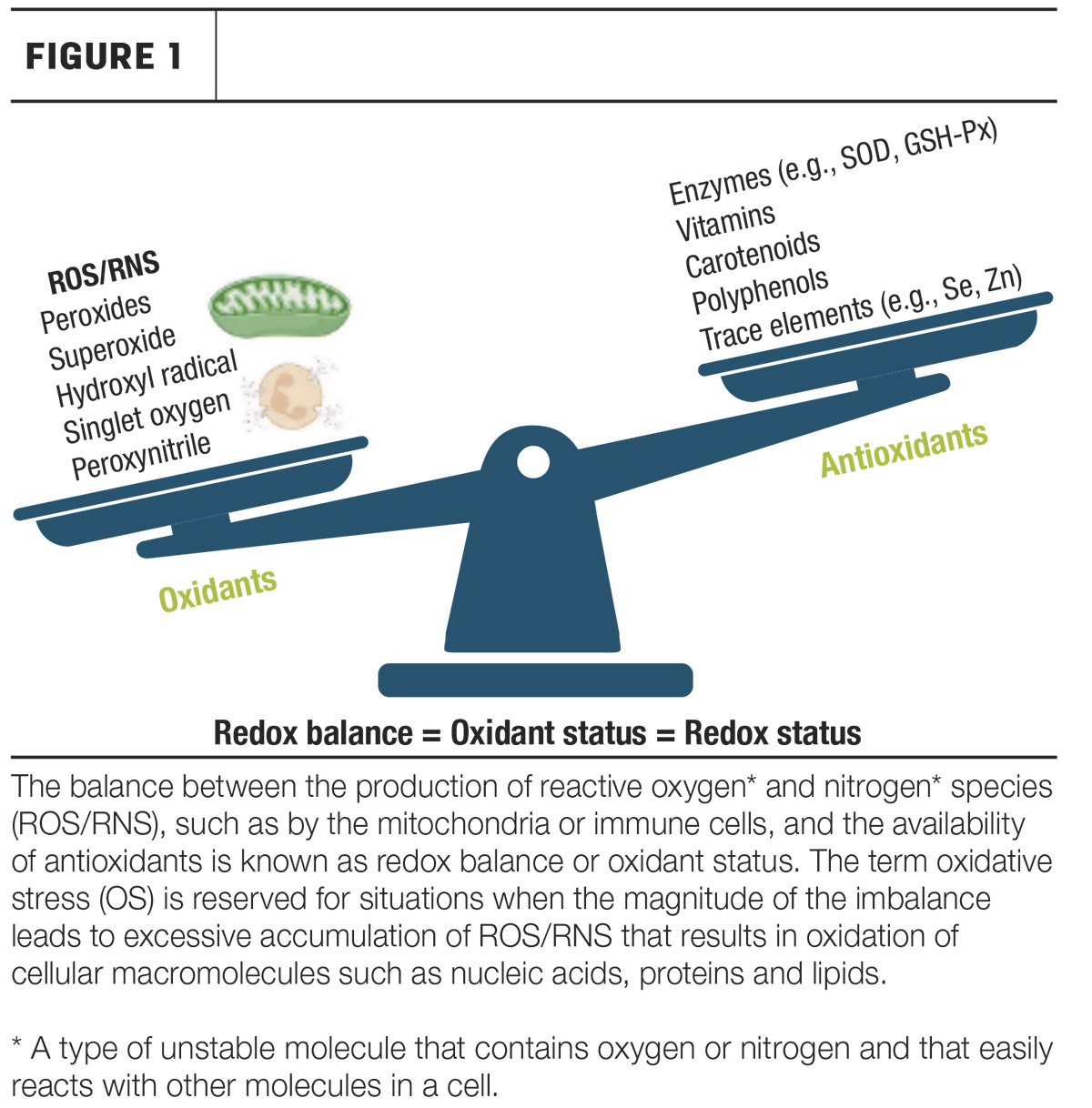
The author explains that dairy cattle may succumb to illnesses at any given time. However, most diseases occur around two clusters: (1) the time around calving, commonly referred to as the periparturient or transition period, for metabolic and infectious diseases such as hyperketonemia, dyscalcemia, mastitis, metritis and so on; and (2) the first few weeks of life, referred to as the pre-weaning period, for diseases of calves such as diarrhea or pneumonia. Although the pathogenesis of these diseases is different, they share the feature that animals exhibit dysfunctional immune responses. A key factor responsible for the development of immune dysfunction in transition cows and pre-weaning calves is oxidative stress, which results from the imbalance between the production of reactive oxygen and nitrogen species (ROS; RNS) during times of high metabolic demands and the availability of antioxidant defenses needed to reduce ROS/RNS-induced cellular damage and subsequent loss of function (Figure 1).
The author indicates that the role of oxidative stress in the cause of dairy cattle disorders has long been suggested because supplementation with certain antioxidants ameliorated the severity of a variety of metabolic and infectious diseases. Substantial evidence now supports the argument that oxidative stress is a significant underlying factor in dysfunctional host immune and inflammatory responses that increase the susceptibility of animals to health disorders.
Inflammation is part of the immune system’s response to harmful stimuli. It functions to eliminate these stimuli, repair damaged tissue and restore homeostasis. Inflammation and oxidative stress are interconnected pathophysiological processes, each capable of triggering the other. During the inflammatory response, activated immune system cells (such as neutrophils and macrophages) produce large amounts of ROS/RNS to kill the invading pathogens. These ROS/ RNS can diffuse out of those cells and, thus, can lead to localized oxidative stress and tissue injury.
Dairy cows experience immune dysregulation around the time of calving, primarily associated with the onset of lactation rather than parturition itself. Several studies have concluded that oxidative stress biomarkers increase in the time around calving in dairy cows. Furthermore, associative evidence links oxidative stress to the prevalence and severity of some common early lactation diseases, such as coliform mastitis.
The origin of the oxidative stress around transition is multifaced. First, the time around calving is associated with decreased dry matter intake. Because most antioxidants are derived from the diet, this lowers the availability of antioxidants. Furthermore, several antioxidants are transported by blood proteins, and the liver activity of transition cows is also typically reduced, meaning there is a lower availability of carrier proteins. Hence, the periparturient period is characterized by lower antioxidant capacity than during other lactation stages.
On the other side of the redox balance, ROS/RNS production usually increases during this period. ROS/RNS originate from various sources: 1) There is substantial tissue remodeling during the periparturient period, particularly in the mammary gland and uterus, meaning that immune cells infiltrate these tissues and generate ROS/RNS; 2) there is a marked increase in metabolic activity to support the demands of the onset of lactation, leading to an increase in the generation of ROS/RNS by cellular mitochondria. Thus, the periparturient period is a time of elevated risk of oxidative stress due to low antioxidant potential coupled with increased pro-oxidant production that can lead to excessive ROS/RNS accumulation and subsequent oxidative damage.
Antioxidant supplementation (vitamin E, selenium, zinc, etc.) as a strategy to ameliorate oxidative stress is not a novel concept, particularly in periparturient dairy cows. However, it is crucial to consider that too much of a good thing can lead to negative consequences, and excessive antioxidant supplementation can have detrimental effects, with studies showing an increase in oxidative damage and disease events when supplementation overly exceeds requirements. Establishing supplementation guidelines for antioxidants for optimal health is still an active area of research.
The author indicates some future directions of study in this area, writing that as a relatively new area of research, there is still a lot of ground to cover in the field of oxidative stress in dairy cattle. Nevertheless, the research conducted to date indicates that oxidative stress is an underlying factor for the dysregulated host responses seen in periparturient cattle and pre-weaning calves. Thus, addressing oxidative stress during these critical periods has the potential to improve animal health and productivity.
Future directions for research in this area include addressing some of the barriers to the practical implementation of measurement of biomarkers of oxidative stress in the field since in veterinary medicine, unlike for other metabolites such as Ca, BHB or NEFA, we currently lack critical thresholds for oxidative stress biomarkers and developing effective strategies to modulate the oxidative stress response in animals during these transition periods.
This column brings you information regarding some of the research being done around the world and published in the Journal of Dairy Science. The objective is to bring to light areas of research that may have an immediate practical application on a dairy farm, as well as research that, even though it may not have a practical impact now, could be interesting for its future potential application. The idea is to give a brief overview of select research studies but not go into detail on each topic. Those interested in further in-depth reading can use the citations to find each study.