The growing season is rarely picture-perfect. Each year, environmental stressors such as drought, excess moisture, high temperatures, humidity and insect damage predispose crops to mold growth and subsequent mycotoxin contamination. Mycotoxins are secondary metabolites secreted by various fungi species found on crops grown for livestock feed. The six most common mycotoxins include aflatoxin, deoxynivalenol (DON), zearalenone (ZEN), fumonisin (FUM), T-2 toxin and ochratoxin A.

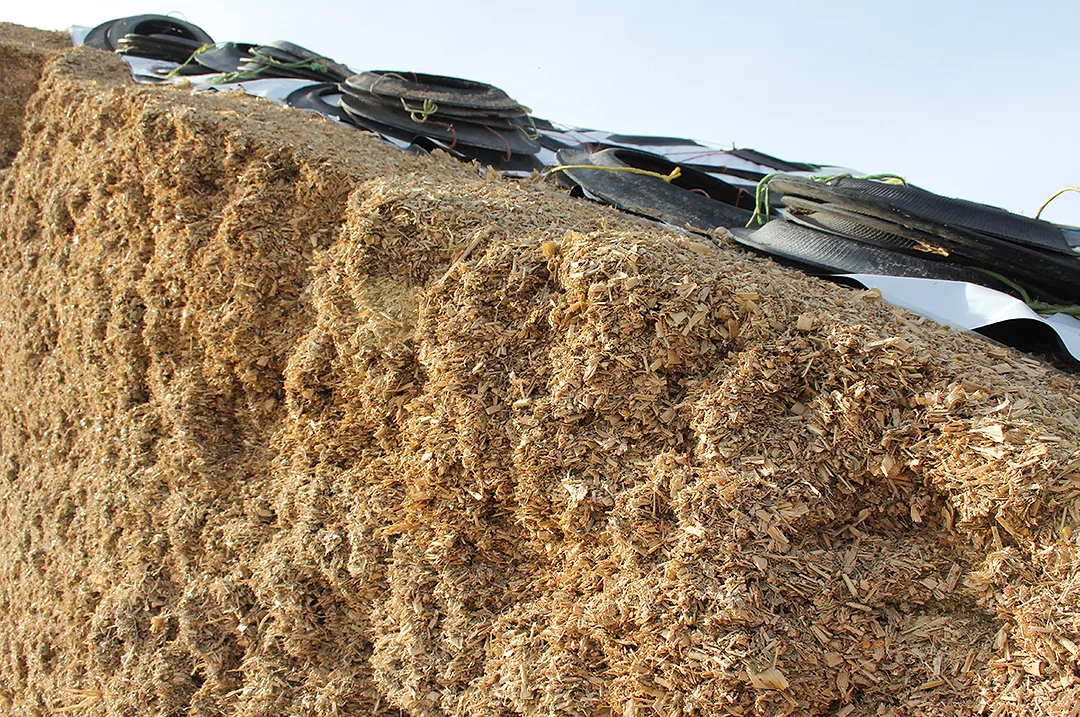
Mycotoxins are remarkably stable. They persist in feedstuffs throughout storage and even ensiling. Certain types of processing, such as corn milling for ethanol, concentrate DON to greater levels in the resulting byproduct compared to the original corn. Data from our laboratory found that dried distillers grains had 2.6 times greater DON concentrations compared to corn samples collected during the same time frame and within the same region. Visual inspection of feedstuffs is an unreliable indicator of the presence of mycotoxins, as they can exist at significant levels even without visible mold.
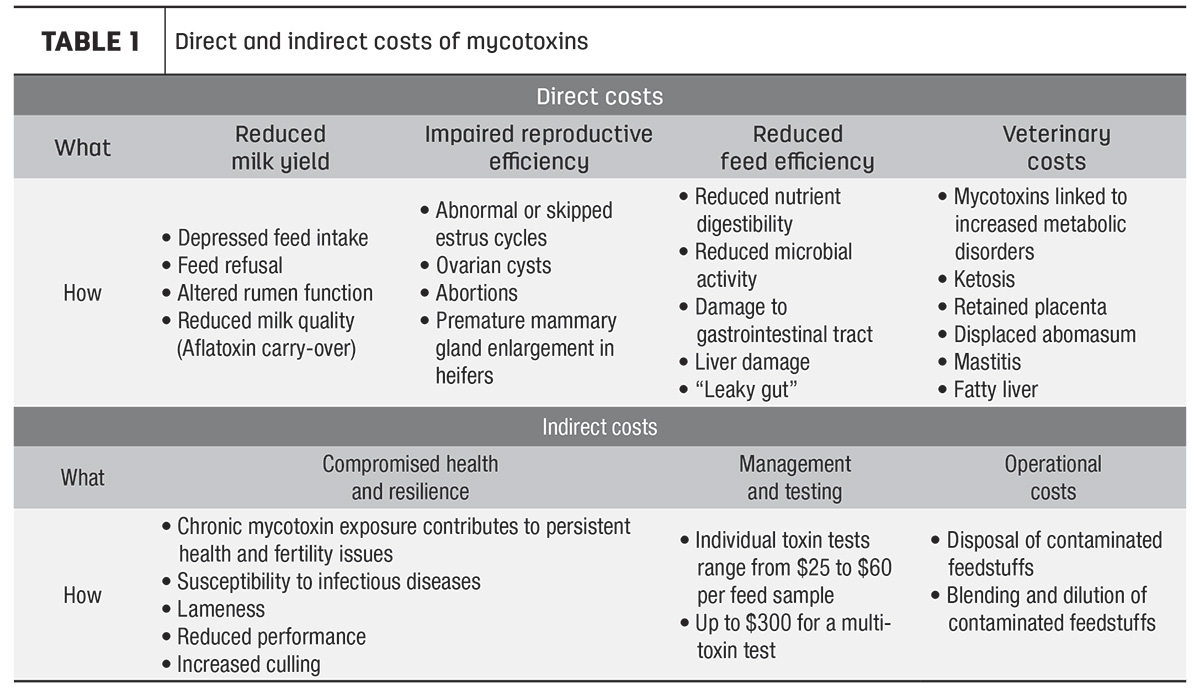
The direct and indirect costs of mycotoxins
Young calves, high-producing cows and transition cows are the most susceptible to the negative impacts of mycotoxins. Rumen protozoa and bacteria can degrade mycotoxins to some extent. However, high-producing dairy cows may consume enough contaminated feed to overwhelm this defense. Mycotoxins that escape rumen degradation must be detoxified by the liver and kidneys of the animal and can result in oxidative stress. Transition cows are already predisposed to immune challenges, which can be aggravated by the presence of mycotoxins. Specific symptoms depend on the mycotoxin load, type, duration of exposure and physiological status of the animal.
Mycotoxins impact cows and their productivity by (Table 1):
- Reductions in feed intake
- Impaired nutrient absorption
- Altered metabolism
- Disruptions to the endocrine and exocrine system
- Suppression of the immune system
Co-mycotoxin contamination as the rule
Co-mycotoxin contamination is most likely the rule rather than the exception. High concentrations of individual mycotoxins can cause health and production issues. However, emerging evidence suggests that ruminant animals suffer more from co-mycotoxin contamination due to the variety of feedstuffs used to make a complete diet.
A multicountry survey of over 74,000 feed and feed ingredient samples found that 64% of samples contained two or more known mycotoxins, with the most frequently occurring mycotoxin combination being DON + ZEN + FUM. Studies evaluating feedstuffs with multiple mycotoxins, or impure mycotoxin preparations, have reported reductions in milk yield of 3.4 to 5.3 pounds, while some studies find little to no impact on milk yield in the presence of a single mycotoxin.
Evaluating nutritional technologies
Feeding and management practices, such as blending feeds containing mycotoxins with non-contaminated feeds to minimize mycotoxin concentrations in the finished feeds, is often the most practical way to utilize contaminated feed. However, dilution with clean feeds may not always be possible or provide enough of a reduction in concentration, at which point, your nutritionist may recommend a feed additive solution.
Mycotoxin adsorbers (often referred to as binders) work by adsorbing mycotoxins in the gastrointestinal (GI) tract and allowing them to be excreted in the feces. The ability of an adsorbent to contact and hold a mycotoxin as it moves through the GI tract is imperative to the efficacy of the product. Aluminosilicates, bentonites, zeolites and hydrated sodium calcium aluminosilicates are commonly used mycotoxin mitigants. Yeast-based products containing mannan oligosaccharides and beta glucans can also be effective against some mycotoxins. Not all adsorbents are created equal; for example, many of the commonly used adsorbents have high efficacy against aflatoxins but do little to mitigate DON. Some yeast-based products have high efficacy against ZEA but are not as effective against the other mycotoxins. Furthermore, many adsorbents interfere with the utilization of other nutrients, such as vitamins, minerals and amino acids, when used persistently.
Specific bacteria, fungi and enzymes can be included in mycotoxin-mitigating products to chemically modify the compounds into less toxic metabolites. Some of these ingredients can be beneficial to rumen health as well. Supplementation with antioxidants (e.g., vitamins, minerals and phytogenics) can counteract oxidative stress and inflammation in the GI tract or organs caused by mycotoxins. While these compounds do not act directly on mycotoxins, they can bolster the animal’s ability to deal with challenging dietary situations.
With the complexity of co-mycotoxin contamination and varying effects of single mycotoxins, the ideal nutritional technology should contain not only adsorptive technology but also antioxidant and immune support. Several things to consider when evaluating nutritional technologies to mitigate mycotoxins:
- Is the product an adsorbent and is it effective against the mycotoxins challenging your herd?
- Does the product hold onto mycotoxins as they move through the GI tract, allowing for excretion?
- Is the product capable of mitigating the effects of one type of mycotoxin, or several?
- Could the product interfere with essential nutrient absorption?
- Does it offer other forms of support, like antioxidants or immune stimulation?
Work with your nutritionist and a reputable testing laboratory to understand if mycotoxins are taxing the health and performance of your herd. When exploring nutritional technologies, look for products that not only address mycotoxins but also support cow health and immunity.
References omitted but are available upon request by sending an email to the editor.