How many of us wish we could add time back into our days? For many of my customers who own and operate diversified operations, there never seem to be enough hours in the day to get everything done. This problem is often exacerbated by the challenge of finding skilled labor.

Maintaining calf health is vital for feedyard profitability, but identifying and pulling animals can be time-consuming, even for experienced pen riders. Cattle are masters of hiding signs of illness from disease such as bovine respiratory disease (BRD) – the number one cause of disease and death in cattle feedlots of North America. Delayed detection and treatment of disease can lead to costly setbacks in health, weight gain and labor efficiency.
Technology is changing the feedyard
These challenges are driving innovation in the industry. Monitoring technology offers a practical solution by monitoring cattle in real time 24/7. It removes the guesswork of identifying animals needing to be pulled.
Electronic eartags measure and track biometric data, such as an animal’s activity and body temperature, to establish a baseline. The system is then able to detect calves that aren't acting as they should, specifically looking for outliers as they relate to themselves and their penmates.
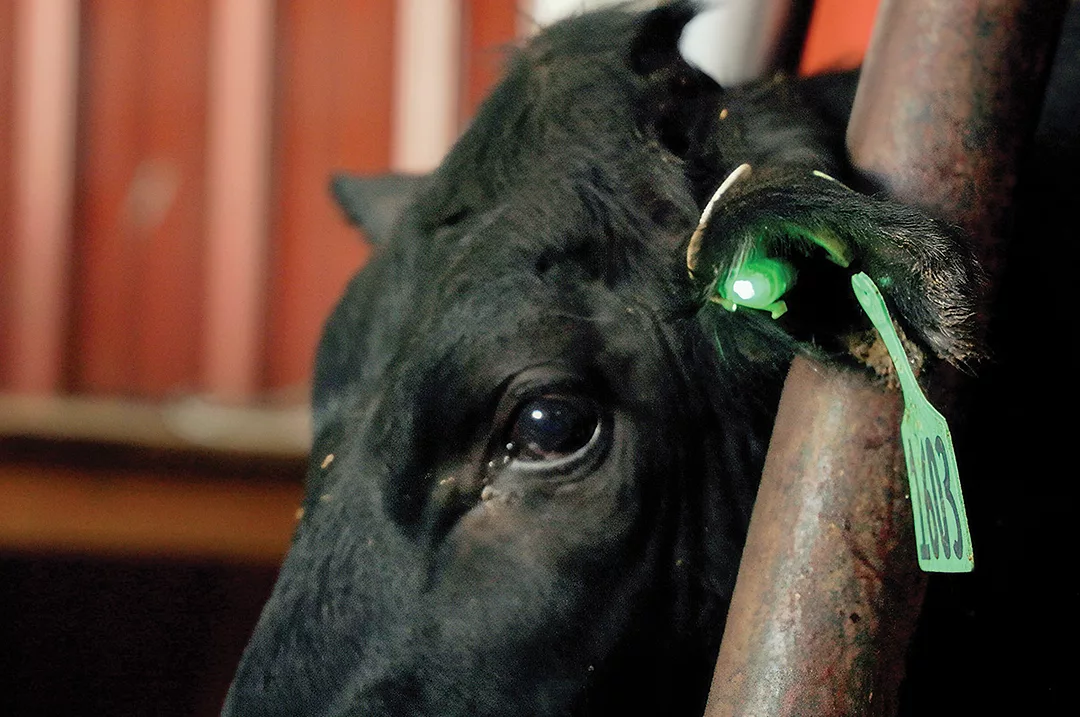
A daily pull list compiled by the system clearly identifies animals for further assessment. A built-in LED light in the eartag helps caretakers efficiently sort animals from the pen, so they can determine whether treatment is needed.
Monitoring technology helps focus time and labor where it matters most. Earlier intervention can help improve treatment outcomes for animals that are sick.
Real results for family-owned feedyard in Minnesota
Chad Hasbargen, owner and operator of Hasbargen Land and Cattle, has observed these benefits after implementing monitoring technology in his backgrounding yard located in northern Minnesota. The demands of raising high-risk, long-haul calves often fell on Hasbargen’s shoulders due to limited access to consistent skilled labor. He reached out looking for a better way to detect issues early and confidently delegate care to less experienced workers.
Hasbargen says he found peace of mind with monitoring technology that his calves are being cared for. Three months after installing the technology, he felt confident enough to step away from the operation for the first time in years to take a trip with his wife to Australia.
“I could leave knowing everything back home would be OK,” he says. “It was a game-changer when virtually anyone could walk pens and pull animals to evaluate.”
The technology also became a valuable training tool. Blinking eartags help less experienced employees learn what to look for, enabling them to work more independently. Hasbargen is now able to focus more on managing his business rather than spotting and treating illness.
“It’s hard to find labor, and we end up hiring and training a new set of workers every year,” Hasbargen explains. “The system has helped our new hires to work more independently and frees me up to run the business.”
The system has reduced their treatment costs and improved performance. “We’re not treating as many calves a second time,” he says, noting that his chronic pen, once a regular part of the operation, now sits virtually empty. With early intervention and better first-treatment efficacy, more calves stay on feed and maintain gains.
Smarter solutions to improve animal health
The most rewarding part of my job is helping producers get more out of their operations. Monitoring technology allows us to do more with less, especially when labor is limited. For producers like Chad Hasbargen, it’s a tool that improves efficiency, reduces treatment costs and brings peace of mind.
Margins in this business can be tight. Helping producers maximize what they have and operate more efficiently makes all the difference. It’s gratifying to see a smile on a customer’s face when we have helped to reduce mortality and solve a long-standing challenge.
The future of feedlot care isn’t about doing more – it’s about doing smarter. And for family-run operations, that’s the difference between burnout and balance.