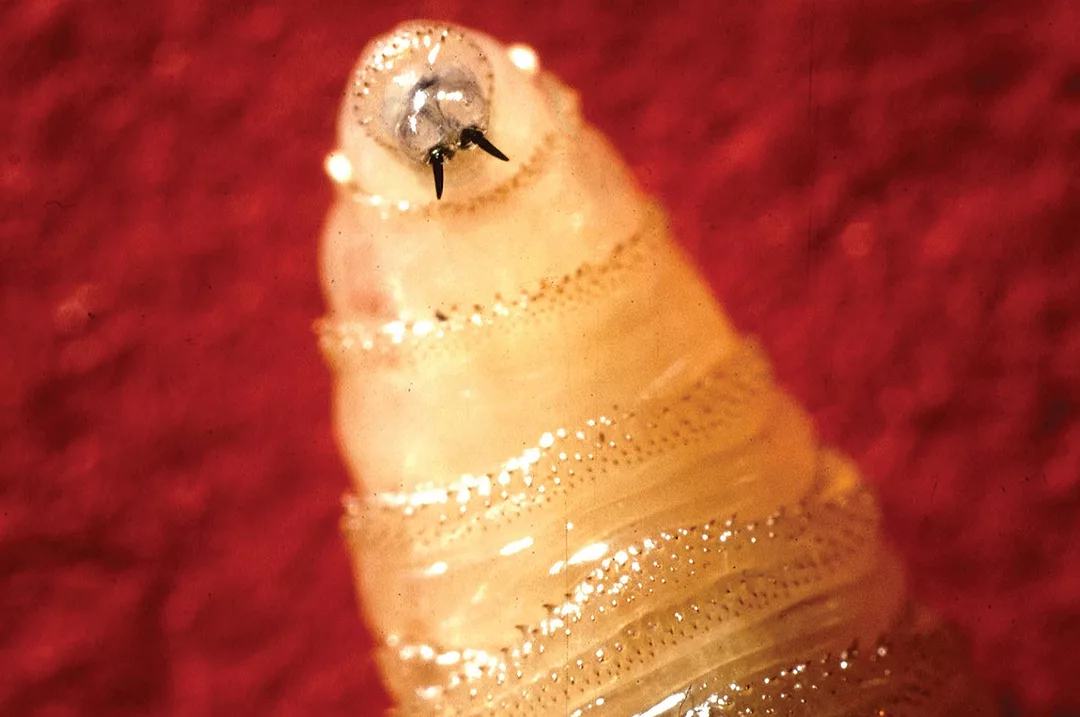
On Dec. 4, the FDA conditionally approved Exzolt Cattle-CA1 (fluralener), a topical solution to prevent and treat infestations of New World screwworm (NWS) larvae and cattle fever tick. The drug is approved for use in beef cattle 2 months old and older and dairy heifers younger than 20 months.

The conditional approval means the FDA has determined Exzolt Cattle-CA1 is safe and has a reasonable expectation of effectiveness for its intended use. The sponsor, Intervet Inc. of Rahway, New Jersey, has five years to generate the additional effectiveness data necessary to justify full FDA approval.
“This conditional approval gives cattle producers a new tool to combat two parasites threatening the well-being of cattle in the U.S.,” FDA Commissioner Marty Makary said in a statement. “Although NWS has not been detected in the U.S., cattle fever tick is here. This is the first drug conditionally approved by the FDA specifically for the control and treatment of cattle fever tick.”
Exzolt Cattle-CA1 is a topical solution and is only available by prescription. The single-use, ready-to-use product is applied directly to the hair and skin in a narrow strip along the animal’s back. The formulation absorbs through the skin and targets both external parasites and systemic infections. It received expedited review thanks to a priority zoonotic animal drug designation, an authority granted to the FDA under the 2020 Coronavirus Aid, Relief and Economic Security (CARES) Act. The drug’s slaughter withdrawal period is 98 days to prevent unsafe drug residues and help ensure human food safety. The conditional approval does not cover lactating dairy cattle, dairy calves, veal calves or bulls over 1 year old intended for breeding.
The FDA’s decision on Exzolt Cattle-CA1 comes at a crucial time as the U.S. industry continues to look to bulk up defenses against the continued northward expansion of NWS. In September, a case of the deadly, flesh-eating pest was detected in an animal in Sabinas Hidalgo, Mexico, a mere 70 miles south of the U.S.-Mexico border. On Dec. 3, USDA confirmed a new detection in Montemorelos, about 120 miles south of the border. As of this writing, NWS has not been detected in the U.S.
The U.S.-Mexico border was closed to imports of live cattle, bison and horses in November 2024 as a precaution against the spread of NWS. The border was reopened in February 2025 but closed again in May as the pest spread steadily northward in Mexico. A phased reopening was halted in July, and imports of livestock have not resumed since.
According to the most recent data from the USDA’s Foreign Agricultural Service, imports of cattle from Mexico from November 2024 through August 2025 were about 795,000 head behind the same time period in 2023 through 2024. Most of the incoming cattle from Mexico are feeder cattle, and the decline in imports from Mexico is a large contributing factor to the sharp drop in Texas feedlot placements over the past year.
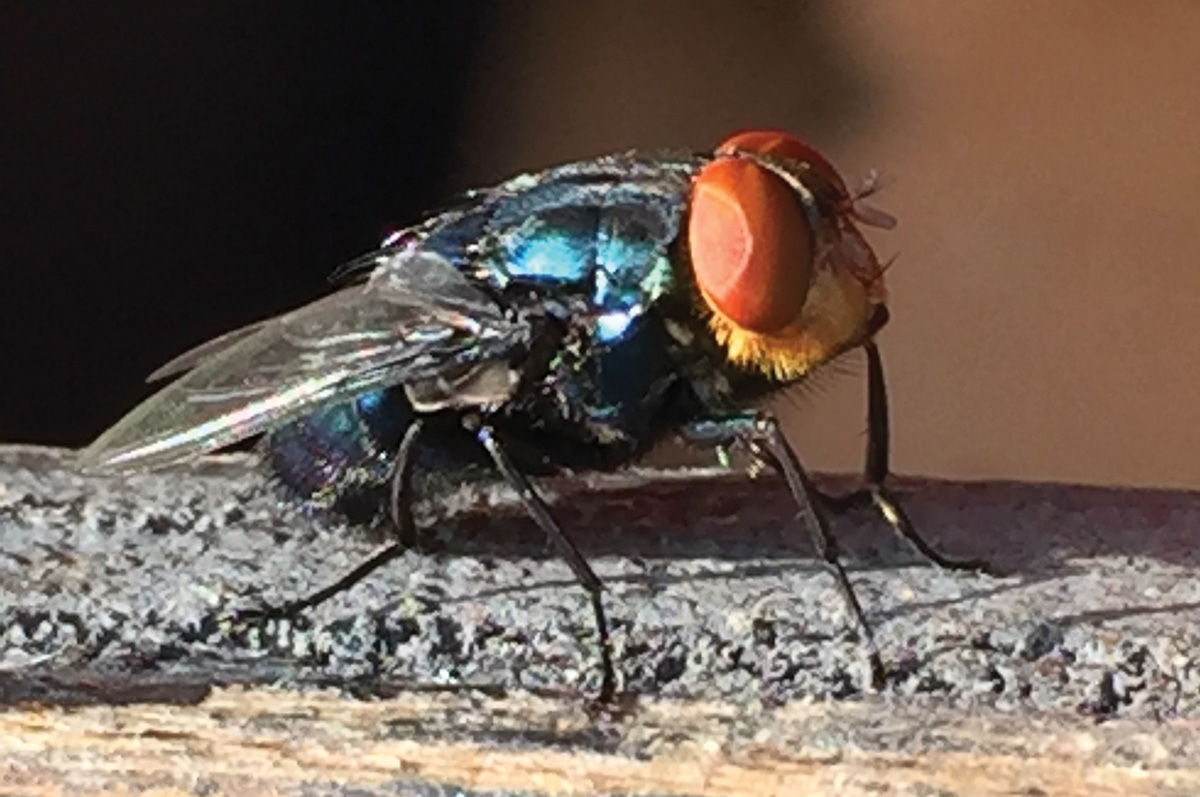
New World screwworm flies are slightly larger than a common housefly, with orange eyes, a metallic blue or green body and three dark stripes along the back. Image courtesy of USDA-APHIS.
According to figures from the USDA’s Animal and Plant Health Inspection Service (APHIS), the 1976 outbreak of NWS cost Texas’s economy $1.8 billion. APHIS estimates its barrier programs in recent decades have saved the U.S. cattle industry $2.3 billion annually. Currently, the USDA is dispersing about 100 million sterile NWS flies per week in Mexico to slow the insect’s spread.
At the same time, the cattle fever tick quarantine zone along the Rio Grande continues to be a pressure point due to wildlife movement and weather conditions favorable to the tick.
In a statement, Texas Agriculture Commissioner Sid Miller praised the FDA and called the conditional approval of Exzolt Cattle-CA1 “a landmark achievement for livestock health and a major victory for the nation’s cattle industry.”
“The threat posed to our cattle industry by these dangerous pests is substantial,” Miller said. “The New World screwworm can destroy an animal in a matter of days, and the cattle fever tick once brought the Texas cattle industry to its knees. This treatment gives our producers the modern, science-backed tools they need to keep herds safe and will help safeguard everything from small family herds to the nation’s major beef operations.”
To stay up to date on NWS reports, visit the APHIS website.