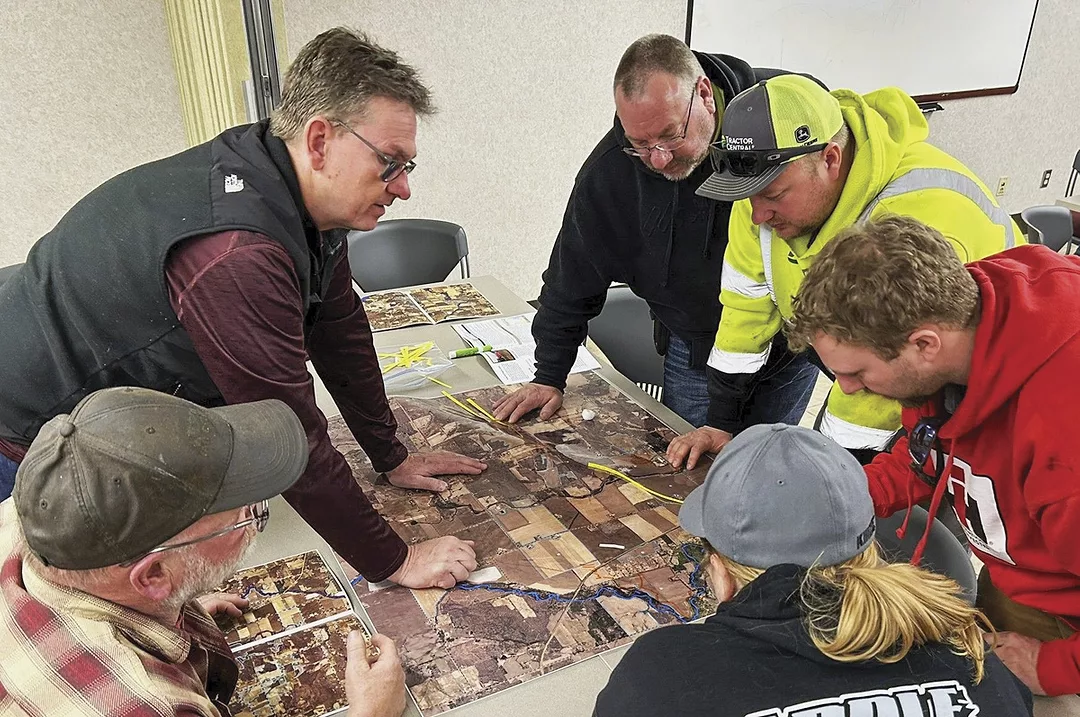
“What if?” These two words can be the start of great conversations. The words chosen to complete the “what if” question can prepare manure applicators for any number of scenarios such as, “What if we have a big spill?” “What if there’s a road closure?” Helping applicators and farmers generate wide-ranging questions and discussing potential solutions are among the main goals of the University of Wisconsin Extension’s Manure Applicator Training 101. The three-hour program will be held at several locations across Wisconsin, beginning in February and ending in early April.
UW Extension agriculture educators added an interactive, map-based approach to the training program in 2024. Each table at each training session is covered with a satellite imagery map representing a 25-square-mile area. The map includes marked farm fields and features such as roads, housing developments, waterways and slopes. It’s laminated, allowing applicators to write on it as well as erase information. Each table also has a supply of pipe cleaners, each scaled to represent a 1,000-foot dragline. Each table seats six to eight people.
Farm employees and manure applicators are presented with various scenarios developed by the extension educators. For example, they may be asked to estimate setbacks or how to apply manure near a housing development. Or they may be asked how to operate equipment in a 50-acre field with waterways or how dumpster placement impacts semi drivers delivering manure to a field.
“We try to build in different scenarios,” says Jerry Clark, UW Extension crop and soils educator. “It gets them to think about lakes, rivers, railroad tracks, hills, flat fields, weather conditions and so on. It also gets them to think about what to do if they have questions from the media or how to talk with angry neighbors. It’s all about decision-making.”
Kevin Erb, UW Extension Conservation Professional Training Program director, who conducts the training with Clark, says, “We hear discussions around the tables; people are learning from each other. The new change in the training program has allowed participants to think and discuss strategies with colleagues versus listening to traditional presentations.”
Heather Matsche of Matsche Farms Inc. near Birnamwood, Wisconsin, says, “Our team members seemed to like the interactive maps this last round. It takes some of them to get out of their comfort zone, but the hands-on learning can be very informative and impactful. It also helps that representatives from the Wisconsin Department of Natural Resource are there to interact with the group. Everyone can learn from each other and learn from scenarios they’ve encountered or have questions answered they might not have thought of.”
Matsche Farms has participated in the annual training program for several years, each time sending between 20 to 30 employees and truck drivers who work with them. The team milks more than 6,700 cows and raises most of the farm’s heifers on the same site. The team manages about 4,400 acres of the Matsche farm’s land. It also raises corn silage and haylage on rented land around the area. Land covered by the nutrient management plan is handled by the farm team working with an agronomist and some custom application help when it comes to manure application, Matsche says.
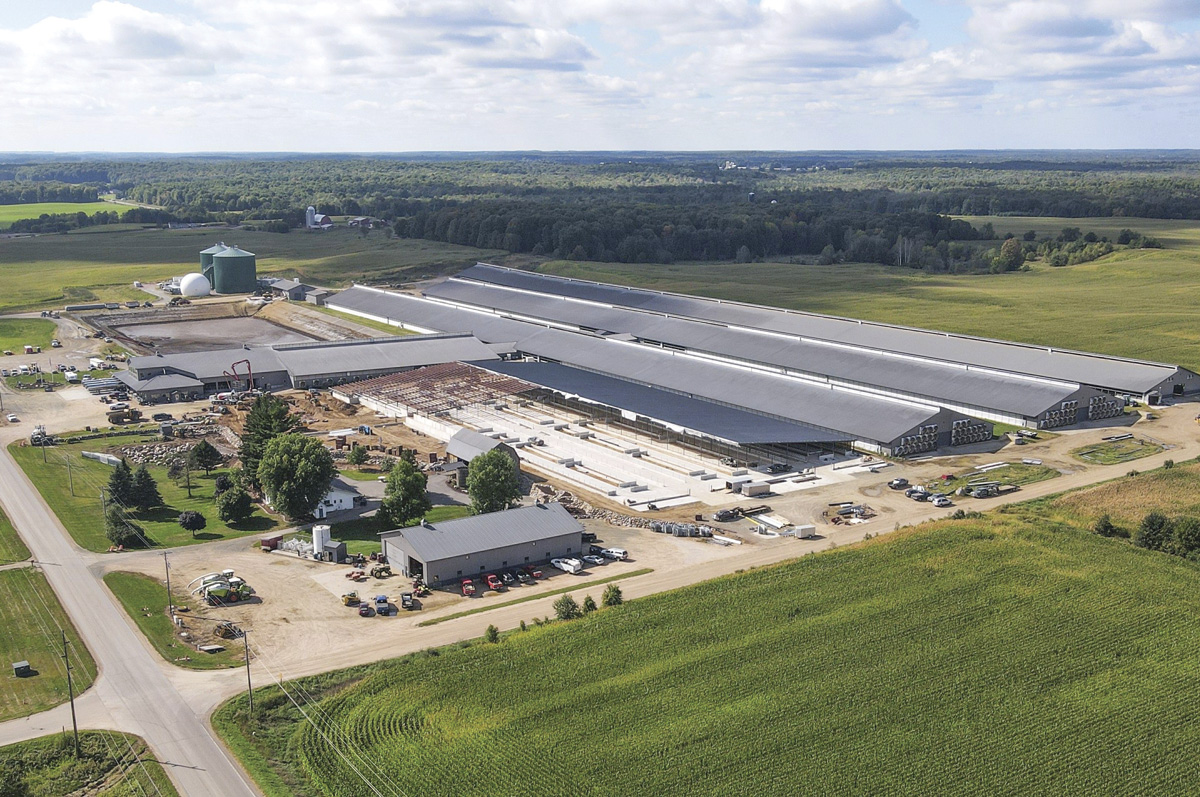
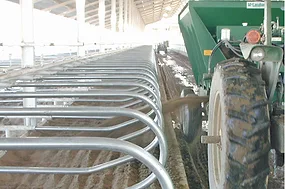
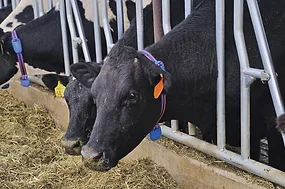
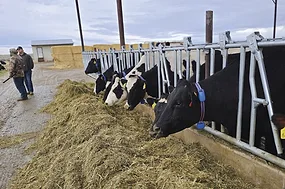
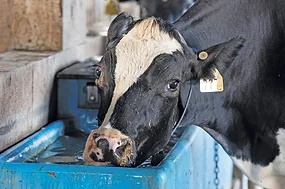
Matsche Farms Inc. near Birnamwood, Wisconsin, is home to more than 6,700 cows. Most of the farm’s heifers are raised on the same site. Matsche Farms annually sends more than 20 employees and truck drivers who work with them to Manure Applicator Training 101. Image courtesy of Matsche Farms Inc.
Program history
In the early 2000s, a few states began to regulate manure application. Facing the potential of inflexible state regulations, Wisconsin applicators wanted to create an alternative that would improve professionalism and reduce the negative effects of manure application, Erb says. So they formed the Professional Nutrient Applicators Association of Wisconsin (PNAAW). PNAAW set out to tackle three priorities – road weight concerns, finding affordable business liability and pollution liability insurance, and being proactive concerning regulations.
UW Extension and industry contacted the insurance industry to see what could be done to reduce liability premiums. Insurance companies worked with manure applicators to identify areas of risk and what needed to be done to reduce the risk. Together they discussed training and certification to reduce insurance costs, which in 2003 led to the creation of Manure Applicator Training 101 and PNAAW certification.
The training program’s initial focus was three-pronged – understanding regulations, common-sense application (public relations), and manure spill prevention and response. In the first few years the training program was offered, insurance companies documented an 85% decline in claimable incidents for manure applicators who completed the program.
“We started with a 7 percent to 10 percent discount on business liability for doing what has become the Level 1/Manure 101 training, up to 30 percent off business liability and up to 50 percent off pollution liability premiums as of 2022, the most recent data available,” Erb says.
Depending on their participation level, Wisconsin’s applicators earn premium savings ranging from $500 to more than $11,500 annually per manure application business, he says.
Training topics evolve
Manure Applicator Training 101 has evolved with time, reflecting changes in equipment and the manure application industry itself. The program started with classroom-type sessions. Extension educators then offered dragline training and live-action manure-spill response demonstrations focused on how to respond, clean up and restore sites.
In 2017, the program was expanded to include farmers who apply their own manure as more large-scale farms are now doing their own manure application. Farmowners and their employees – especially new or seasonal workers – can benefit from training, Clark says. Erb adds that farmers who receive the training can be eligible for base insurance discounts of 5%, depending on their insurance company.
Fast-forward to 2024, to the introduction of interactive maps. The training program will continue to evolve based on manure applicators’ wants and needs.
Matsche says, “I like that the program is evolving in different ways to keep the group engaged in learning.”
She said that while there can be repetitive training for employees who have attended before, older employees – as well as new employees or attendees from the community – can leave the program with better knowledge of safety and rules.
She added, “They may also have learned something new that could save someone’s life or gain better understanding of being respectful to the communities and environment in which we work.”
Visit the program’s website or contact Erb or Clark for more information.