Market influences have a way of reshaping priorities. With milk prices under pressure and ever-rising input costs, many producers are leaning on beef revenue and, in turn, keeping more cows to carry high-value calves destined for the beef market.

The opportunity is not simply to grow within permit limits but to ensure supporting systems keep pace. Often, herd populations can creep beyond original targets, putting pressure on manure handling, storage and bedding systems before a planned expansion.
As herd sizes grow, dairies’ systems are put to the test, often revealing where adjustments can unlock greater efficiency and consistency.
More cows mean more manure, more bedding and more volume moving through systems that may not have been designed for that load. Keep in mind each cow produces roughly 2 to 2.6 cubic feet of manure per day, making storage capacity a critical constraint – and often the No. 1 limiting factor for herd growth.
Capacity deserves a closer look
On most farms, manure systems are already operating near designed capacity. Adding cows increases manure in alleys and pens, requiring more frequent scraping or adjustments to equipment schedules. Narrow or undersized alleys may require closer attention to maintain flow and cleanliness.
If a dairy relies on cleaning during limited windows, such as when cows are in the parlor, those windows may need to be expanded, since higher stocking densities tend to make timing efficiency even more important.
Stall management becomes more important
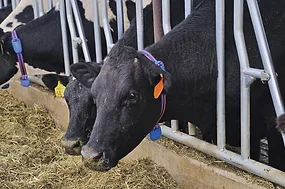
Even at a common 120% stocking level, more cows per pen introduces another layer of complexity, particularly in stall maintenance. Encouraging cows to lie down as much as possible remains essential for milk production, reinforcing the need for clean, comfortable stalls.
With more cows cycling through the same number of stalls, usage increases significantly. Bedding doesn’t last as long, and stalls will need attention far more frequently to keep them up to snuff.
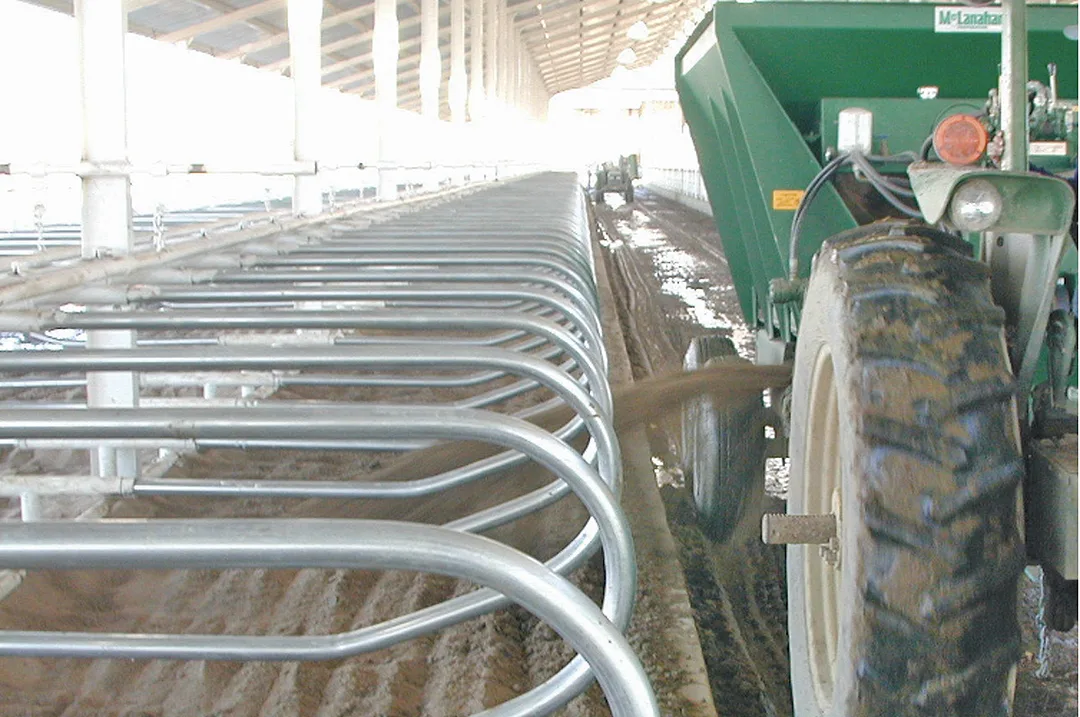
This shift has ripple effects. Increased bedding frequency means higher material usage, especially for sand-bedded systems. Dairies generally plan on using 50 pounds of sand per stall per day, but heavily used stalls require additional bedding because more material gets dragged into alleys the more cows enter and exit the stalls. The 50-pound baseline may need to be increased.
Stalls require additional care, as well. Good grooming protocols are even more important to keep stalls clean and dry. Additional bedding frequency may need to increase – for example, every other day rather than twice a week.
If sand is not recycled, purchasing needs can rise sharply, adding to input cost pressures. Running short of bedding is not an option. Consistent supply remains important, since bedding quality plays a direct role in stall cleanliness, cow cleanliness and, ultimately, production and herd health.
More manure entering the system also increases wear and tear on equipment and raises the volume to separation and storage components. What worked efficiently at one stocking rate may need to be adjusted at another rate.
Equipment and labor may need to evolve
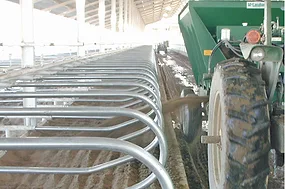
Manure-handling methods play a role in how well dairies can adapt. Systems using alley scrapers may have an advantage, as frequency can be increased to help manage higher volumes. In contrast, systems dependent on periodic scraping or vacuuming may require additional equipment, personnel or extended run times to maintain the same level of performance.
Common management concerns include:
- Transport pressure points can occur as pumps, pipes and tankers operate at or beyond capacity.
- Higher solids loads can affect mixing and separator performance, making regular monitoring increasingly valuable.
- More frequent handling cycles increase fuel, labor and maintenance costs.
In practice, what was designed as a steady-flow system may require operational adjustments as volumes increase. Those adjustments may come with added labor, fuel, maintenance or capital costs, but they can also help preserve efficiency as herd size changes.
And it is not just about equipment. Labor demands increase alongside herd size. More cows typically require more time and effort for bedding and stall maintenance, as well as managing overall facility and cleanliness.
From a distance, keeping a few more cows can look like a straightforward way to increase revenue. Even if individual cow performance dips slightly, total milk volume and beef value may still support the economics behind that decision.
To capture that value, however, it is important to consider the full picture. Higher stocking densities can bring higher input costs, increased labor demands and added pressure on facilities. Manure systems, in particular, deserve close attention if they are to support long-term flexibility.
The key is recognizing that every additional cow impacts more than just milk production numbers. It also influences infrastructure, workflows and long-term sustainability.
Take a proactive approach
Begin by evaluating how changes in herd size will affect bedding needs, manure volume, labor and equipment capacity. Then revisit those assumptions regularly as herd dynamics shift.
Increasing herd numbers can be a smart strategy in the right conditions. With the right systems and planning in place, it can support both revenue goals and operational efficiency.
Success starts with intentional management and a clear understanding of how quickly a few more cows can add up.
References omitted but are available upon request by sending an email to the editor.
Key points
- Manure systems are often designed with planned growth in mind, but when herd size increases without facility changes, capacity should be reassessed to maintain performance.
- Higher stocking density increases bedding use, manure volume and labor demands, making day-to-day management even more important.
- A strong focus on facility and cow hygiene helps maintain efficiency, cleanliness and health as herd numbers grow.