In today’s dairy industry, producers face mounting challenges: rising input costs, pressure for lowering environmental impact and the need to maximize efficiency without compromising animal health. Meeting these demands requires more than incremental improvements. It calls for bold innovation backed by science, global expertise and practical solutions that work across diverse production systems.

Why global collaboration matters in dairy nutrition
Dairy production is not uniform. A dairy cow in Wisconsin faces different environmental stressors than one in Brazil or Portugal. Feed ingredients vary, management systems differ and climate conditions can swing from temperate to tropical. Yet the biological principles driving performance such as energy metabolism, nutrient absorption and health remain universal. Our company leverages its global footprint to study these principles under real-world conditions, ensuring solutions are robust and adaptable.
Take the case of a phytogenic feed additive based on rumen-protected capsicum. Its development and validation illustrate how global collaboration accelerates innovation. Trials were conducted across North America, Europe, South America and Oceania, encompassing university research and commercial farm settings. Despite differences in diets and management, results were consistent: Rumen-protected capsicum improved milk yield by an average of 6 pounds per day for the first 100 days in milk, with some studies reporting gains of up to 8 pounds. Importantly, these improvements came without negative impacts on milk composition or animal health.
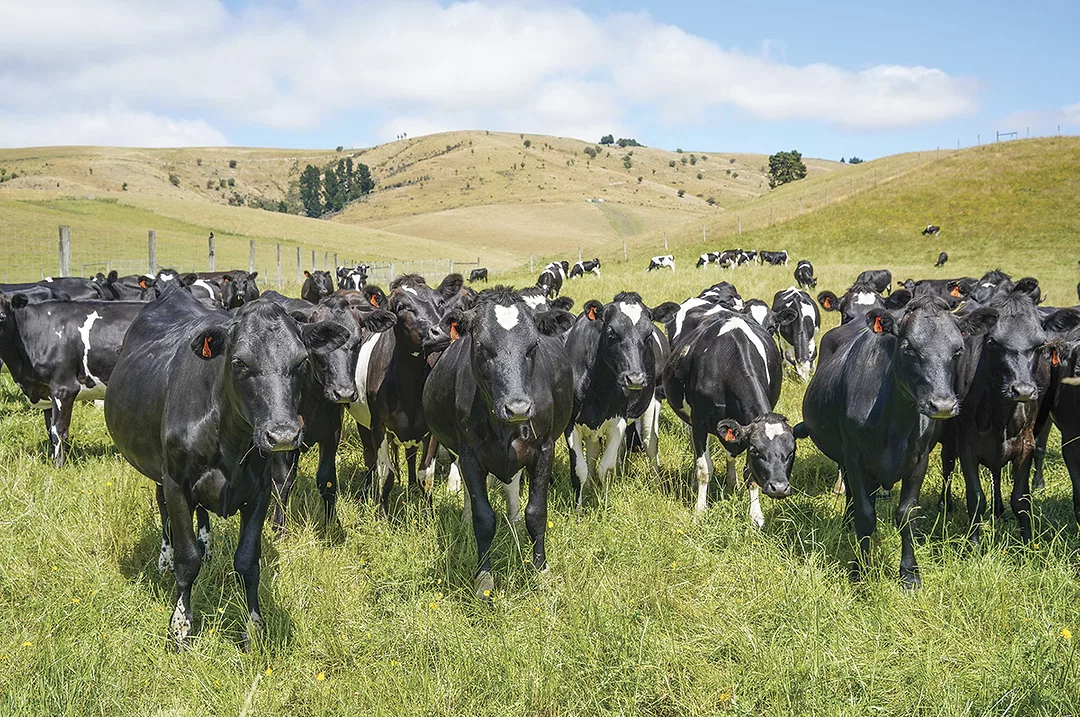
Such consistency across geographies is not accidental. It reflects a deliberate strategy. Scientists and technical teams work with local partners, veterinarians and producers to design trials that mimic real farm conditions. This global data set gives producers confidence that solutions will perform, whether they operate a high-input total mixed ration (TMR) system in the U.S. or a pasture-based system in New Zealand.
Science behind the solution: From molecule to milk
Innovation starts with understanding biology. During the transition period, dairy cows experience intense metabolic stress as they shift from gestation to lactation. Glucose becomes a limiting nutrient for milk synthesis, yet the cow’s physiology prioritizes glucose sparing – redirecting energy away from peripheral tissues toward the mammary gland. This adaptation, while essential, can lead to insulin resistance and metabolic disorders if not managed properly.
Research conducted across seven different trials shows how capsicum, the active compound in chili peppers, influences this process. When it is protected to bypass the rumen and be delivered to the intestine, capsicum activates TRPV1 (transient receptor potential cation channel subfamily V member 1) receptors, also known as capsaicin receptors, modulating insulin secretion. Lower circulating insulin means less inhibition of gluconeogenesis and more glucose available for milk production. In short, the rumen-protected capsicum helps cows optimize energy partitioning during early lactation. This is a subtle but powerful intervention that translates into measurable performance gains.
It is not just theory. Controlled trials using advanced designs confirm the mechanism and its impact. For example:
- University trials in the U.S.: Rumen-protected capsicum increased milk yield by 4.4% and improved feed efficiency by 2.7%.
- Brazilian university study: Cows supplemented with rumen-protected capsicum produced 7 pounds more milk per day (during the first 100 days in milk) and showed better fat output.
- European field trials: In Portugal, rumen-protected capsicum boosted milk yield by 7.7 pounds per day and reduced somatic cell counts, indicating improved udder health.
People behind the engine of innovation
Behind every breakthrough is a network of people and resources. Global research centers, farms and analytical labs form an integrated system that moves ideas from concept to commercialization. Cooperative partnerships with universities, research institutes and progressive producers further ensure innovations are grounded in reality.
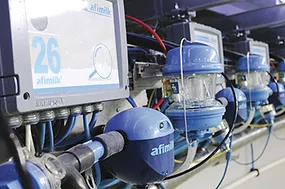
Our teams include research and development, nutritionists, veterinarians, data scientists and engineers who collaborate across continents, sharing insights and aligning efforts internally and beyond our company. For the phytogenic feed additive, this meant testing under diverse conditions such as automated milking systems in France, Canada and the U.S.; pasture-based diets in New Zealand; and high-producing herds in the U.S. Each trial added a piece to the puzzle, refining recommendations and confirming value.
Innovation with purpose: Meeting tomorrow’s demands
Global collaboration is not just about performance – it’s about sustainability. The Food and Agriculture Organization recently published the agricultural outlook 2025-2034 report, noting that to meet rising demand, output of meat, dairy and eggs is expected to grow by 17%. Achieving this without exhausting resources or harming the environment requires smarter nutrition. By improving feed efficiency and supporting animals’ metabolic demands, solutions like rumen-protected capsicum can assist producers in meeting their production and management targets.
Our organization invests in technologies that enhance animal well-being and optimize nutrient utilization to reduce financial losses and support producer profitability. A global perspective ensures these innovations are scalable and adaptable, helping dairy systems thrive under changing conditions.
Innovation is not a luxury – it’s a necessity. But innovation that works everywhere, under real-world conditions, is rare. A combination of research, science, collaboration and practical validation helps deliver that assurance.
For dairy producers and farmers, this means access to proven technologies backed by global expertise and local support. It means confidence that every solution is tested, validated and designed with your challenges in mind. And ultimately, it means turning complexity into opportunity through innovation that starts in the lab, spans the globe and ends at your farm gate.
References omitted but are available upon request by sending an email to the editor.