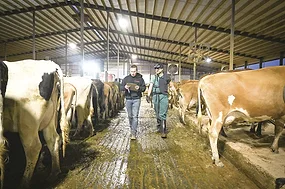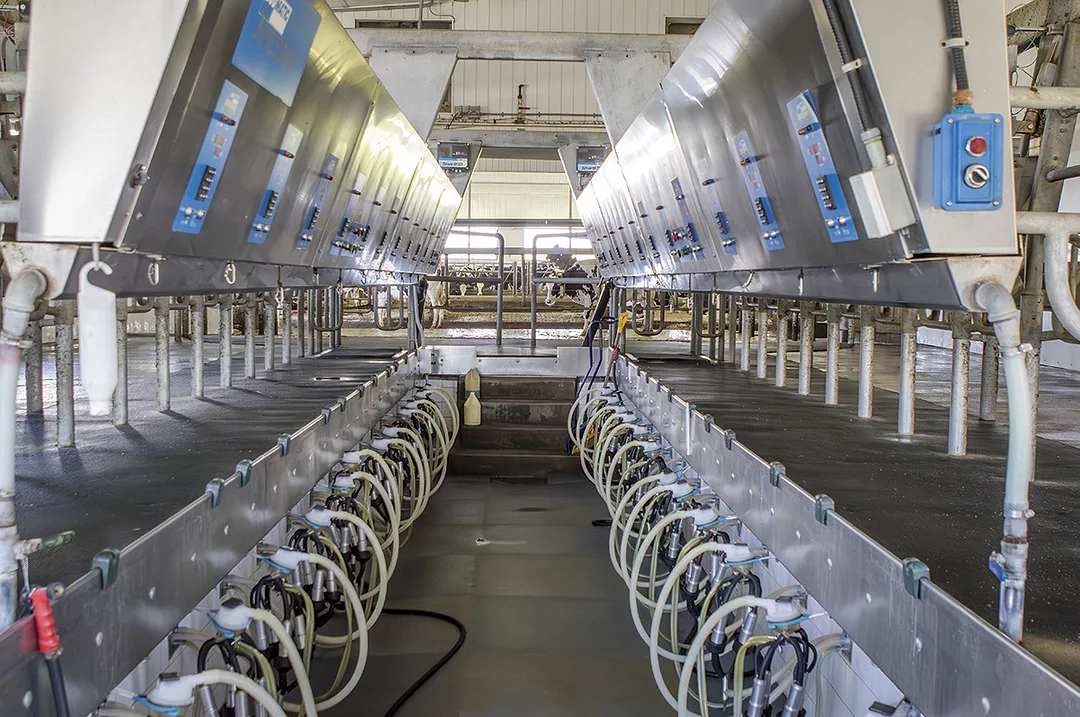
Longevity in your milking system is about more than just buying a quality product. How you manage your dairy along the way is going to determine how long your system lasts.
A well-built and well-maintained parlor can perform for decades. The question is whether you are setting your specific parlor up for long-term success.
It starts at the top
Culture matters in business, and that starts at the top.
When an owner takes pride in their operation and in their people, it drives tangible, measurable results.
I remember a dairy owner who would ask his people, “What causes mastitis?” They would provide a number of different answers related to equipment, sanitation and other conditions. Those were good answers, but they weren’t correct. The correct answer? “People. People cause mastitis.”
The people you have in your operation are crucial to the longevity of your milking system along with its current operation. You cannot be everywhere at once. You have to rely on your people to do the right thing. Culture matters.
If your employees have an attitude of “Slap it in, and call it good,” your equipment is going to break down. On the other hand, employees who are proud of their operation and value their work will do the extra work to keep things running smoothly, from cleaning up their area to keeping an eye out for little things that might signal a bigger problem down the road. That pride and positive attitude come from a proud owner who manages well.
Scheduled maintenance
Good management is more than just a positive culture. It also means regular, scheduled maintenance for your milking system. That maintenance can be done by your own people or it can be done by your dealer, but the key is consistency.
The dealers who do regular scheduled maintenance have fewer emergency calls. And when they're out there performing maintenance, they can often tell if equipment is starting to wear out. They make recommendations about whether it is time to replace certain components. This saves producers a lot of headaches and money in the long run.
Many operations do this well; some even invest in a dedicated maintenance staff. But too many are in reactive mode, waiting until something breaks to put in the work.
Having backup components is not a fail-safe solution to maintenance issues. Those backup components themselves need to be maintained. If a vacuum pump goes down in the middle of the night, can your backup pump actually handle it? Or has it been sitting untouched for two years? These are the questions that determine how your system holds up over time.
Plan for the future, not where you are
Another factor in longevity is how well a milking system was planned from the start. Twenty years ago, producers built parlors of a certain size, designed to spin at a certain speed. But in the following decades, things changed. Cows got bigger. Some cows today give twice as much milk as those of previous generations did.
With more volume going through the parlor, was it built to handle that? Can you still milk properly and get the right flow of water and chemicals that you need? What kind of entrance and what kind of hospital area do you have to keep the flow going?
Good planning means building in flexibility. Build for what you have, but with the ability to expand and change as your needs evolve. Put an emphasis on a system that is easy to maintain, service and upgrade because the cost to maintain a system over its life is just as important as the upfront price tag.
Know when to upgrade, not just repair
There’s a point in every system’s life where replacing individual components is no longer cost-effective. A pulsation system that is 10 or 15 years old might still be running with regular maintenance, but at some point, the cost to keep it going, along with the difference in performance compared to current technology, makes replacement a better option.
Audits are also important for recommendations on replacement, maintenance and structuring your dairy to operate at peak efficiency. I’ve seen producers bring someone in to do an audit, but when they get the results, they ignore them and continue as they did before. If you get an audit done, seriously look at what they have to say. You hired them to come out and do it; you need to look at it and own it.
Monitoring technology is also part of this discussion. Systems that track performance, temperatures and equipment health in real time give producers and their service teams an early-warning system that didn’t exist in previous years. When something drifts out of range, you want to know before it becomes a milk quality problem or a breakdown.
The bottom line
A milking system that lasts 20 or 30 years doesn’t happen by accident. It happens because the right culture was set at the top, because maintenance was done consistently, the system was planned with flexibility and upgrades were made strategically.
If you’re not sure where your operation stands, start with a professional audit. And when you get the results, own it.