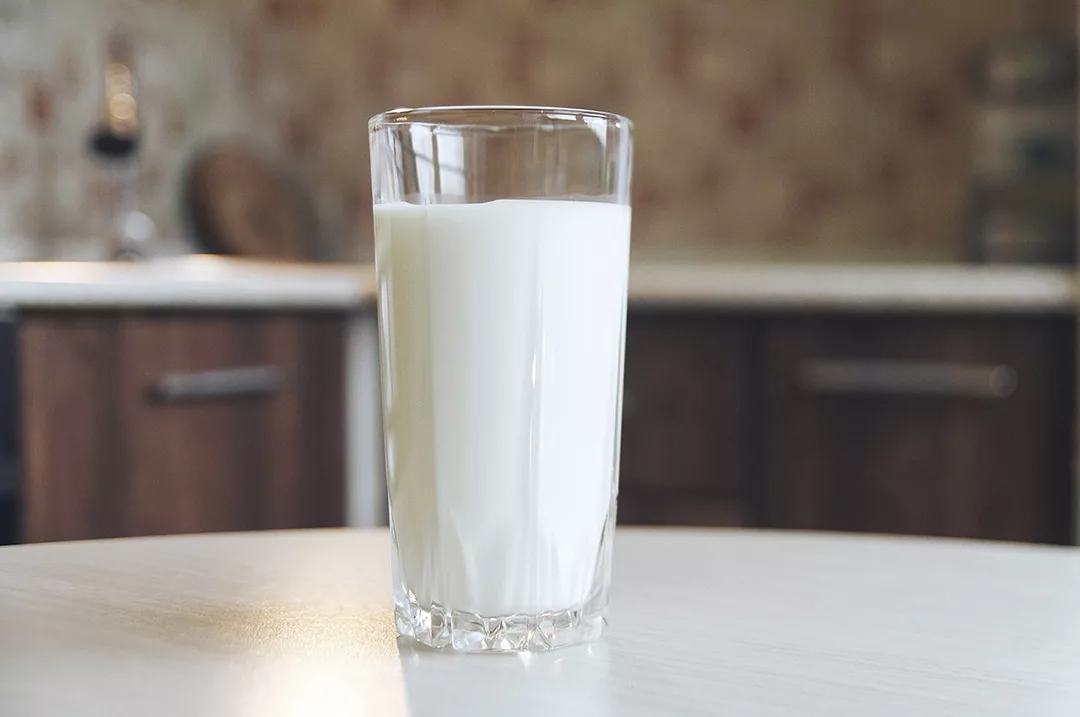
Increasing awareness of environmental impacts and sustainability has influenced evolving consumer dietary patterns and preferences in recent years. This shift has driven the rapid growth of plant-based beverages, contributed to a decline in per capita milk consumption and created a competitive landscape between the two products.
Dairy milk and plant-based beverages have each followed their own positioning strategies, emphasizing nutrition and health benefits, taste and texture and product “better-for-you” features as the central points of comparison. Dairy has highlighted its high-quality protein, calcium content and micronutrient composition that meet nutrient requirements for optimal growth and development, whereas plant-based beverages have highlighted their fibre content and micronutrient profiles derived from plant sources.
Both categories have also promoted better-for-you qualities. Dairy has focused on its naturalness, versatility across various applications and superior taste and texture, while plant-based beverages have focused on suitability for lactose intolerance, protein allergies, other dietary requirements and ongoing improvements to replicate the taste and texture characteristics of dairy milk.
While the competitive pressure between the two industries is evident, much of this rift is driven by industry positioning rather than being consumer-driven. Thus, this raises a core question: Do consumers view plant-based beverages as dairy milk substitutes or as unique products? Are these products truly competing or co-existing within the broader beverage market?
To answer this question and better understand consumer perceptions, our study of 109 consumers of both dairy milks and plant-based beverages examined a broad range of products across both categories. We gathered insights from these consumers to profile the products’ taste and texture attributes, while also assessing consumer perceptions and product uses. Lastly, the motivations behind dairy consumption were determined to understand why some plant-based beverage consumers still reach out for dairy milk.
Consumers choose flexibility over fixed dairy or plant-based choices
A key finding from our study is that many consumers do not exclusively choose either dairy or plant-based beverages. Instead, some consumers may like both dairy milk and plant-based beverages to varying degrees, indicating a flexible rather than fixed preference. Two main consumer segments emerged: dairy-oat-highlikers and dairy-plant-modlikers. The first segment showed a high liking for dairy and oat milks, largely driven by product texture, while the second segment exhibited moderate liking for dairy and select plant-based milks, primarily influenced by taste.
Additionally, the study showed that consumers could have an equal liking for products across both categories and was primarily driven by three attributes: sweet, smooth and creamy. Sweet refers to sweetened products, smooth is the absence of perceivable particles, and creamy is a combination of thick, smooth and mouth-coating perceptions.
This implied that subtle differences in the taste and texture profiles of dairy milk and plant-based beverages were acceptable to consumers, as long as these were dominated by the three key attributes identified as the drivers of liking. Moreover, it reinforces the idea that plant-based beverages do not need to replicate dairy milk, since liking was driven by key attributes within each product’s unique taste and texture profile.
Consumer perceptions and uses differ between products
The study also found that consumers instinctively grouped products based on their raw material sources, identifying specific taste and texture characteristics and profiles, and consequently forming distinct cognitive and emotional perceptions for each group. This further supports the idea that dairy milk and plant-based beverages are distinct products, perceived differently by consumers.
Specifically, dairy milks were viewed as traditional, simple and genuine, while oat beverages were described as comforting, happy, inspiring and energetic. Chickpea beverages conveyed a sense of adventure and sophistication, while plant-based beverages made from combined plant sources were perceived as cheap and uninspiring owing to their taste and texture attributes. Liking was primarily driven by products that felt comforting and simple, with more sophisticated or complex products receiving lower liking scores.
Product uses followed a similar pattern, with products grouped according to their raw material sources and each group associated with a distinct application. Consumers recognized the versatility of dairy milk and its suitability for sharing with family. Oat beverages were linked to cooking and beverage applications and were distinctly associated with well-being. Overall, uses of plant-based beverages were clearly differentiated from those of dairy milk. Moreover, a significant finding of the study was that versatility in product uses contributed more to consumer liking than perceptions related to health and well-being.
Some plant-based beverage consumers still reach for dairy milk
Regardless of the varying degrees of liking for plant-based beverages, many consumers still reach out for dairy milk to satisfy their perceived need for the product. Dairy consumption remains deeply rooted in consumer habits, culture and widely implemented marketing strategies that have established dairy milk as a staple product and fostered strong loyalty. This is evidenced by the study’s finding that need emerged as the strongest motivation for consumption across consumer segments. The perceived need for dairy milk is often associated with good parenting and children’s healthy development. As children grow, dairy consumption becomes embedded in daily routines, strengthening long-term commitment.
Plant-based beverages expand consumer choice
While dairy milk continues to have a valued role, it is important to acknowledge that plant-based beverages expand the range of product options available for consumers. They are not replacing dairy milks. Instead, they are seen as unique products with their own taste and texture attributes, perceptions and uses within a broader beverage category.
It is equally important to point out that not all consumers want plant-based beverages to mimic dairy milk. Many choose plant-based beverages for their distinct properties. Thus, continuously benchmarking the two against each other may overlook true consumer needs.
Treating plant-based beverages as unique products allows developers to focus on improving attributes that have been shown to significantly improve consumer acceptance. Moreover, this sets realistic consumer expectations, reducing disappointment when the product is not identical to dairy milk. Recognizing plant-based beverages as their own category encourages diversity in taste, texture and applications.
For the dairy industry, these insights highlight an important opportunity. Rather than viewing plant-based beverages solely as a competition, understanding their role can guide strategies that build on dairy’s inherent strengths while positioning products to coexist effectively in the market.
References omitted but are available upon request by sending an email to the editor.
Christy Alsado is a postdoctoral fellow in the department of agricultural, food and nutritional science at the University of Alberta. Lingyun Chen is a full professor in the department of agricultural, food and nutritional science at the University of Alberta. Wendy Wismer is an associate professor in the department of agricultural, food and nutritional science at the University of Alberta.