It’s been three weeks since dairy milk testers in British Columbia went on strike, and no progress has been made.

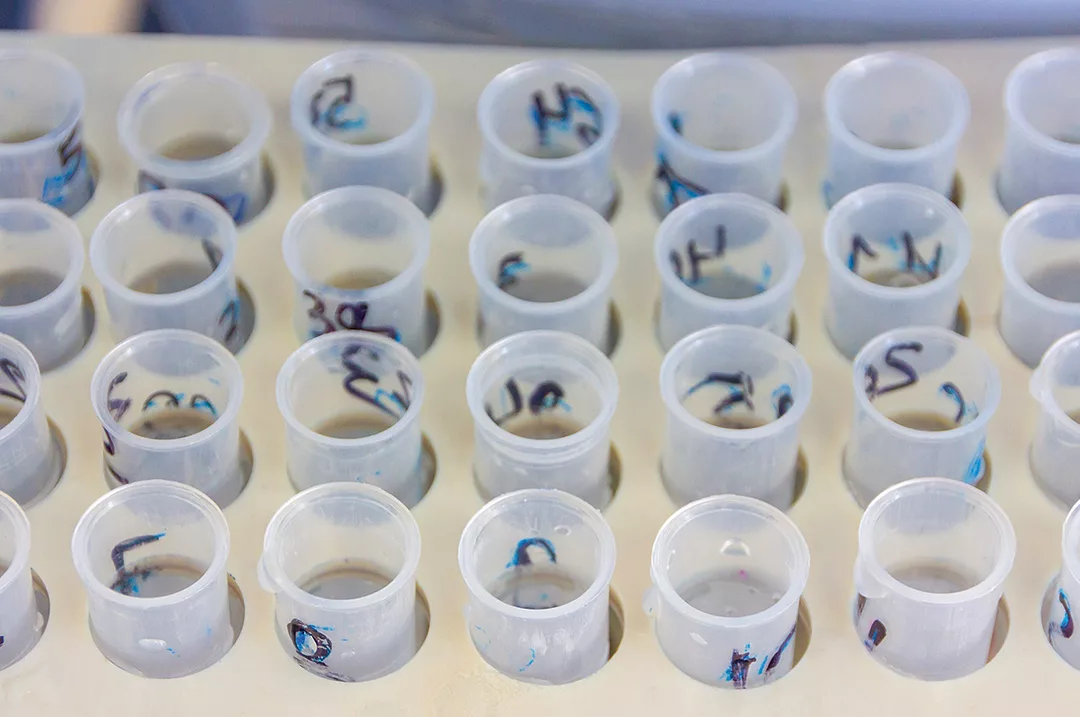
The milk testers, also known as dairy production technicians, have contracts with Lactanet to collect milk samples from approximately 175 dairy herds across the province and deliver them to the Lactanet lab in Chilliwack, British Columbia, to test for components, somatic cell count (SCC), milk urea nitrogen (MUN), etc.
When their contract expired on Sept. 30, 2023, the milk testers requested an increase to the mileage rate to cover current-day costs of traveling to farms.
Jack van Dongen, a milk tester in British Columbia and chair of the workers’ bargaining committee, reports bargaining for a new contract began in February 2024, but an agreement could not be reached.
On Nov. 18, the testers, who are unionized with the B.C. General Employees’ Union (BCGEU), voted 89% in favour of strike action. They served a 72-hour strike notice to Lactanet on Nov. 21 and commenced job action as of Nov. 25.
“After 26 months without a contract, these workers can no longer afford to continue in this way,” says Maria Middlemiss, BCGEU treasurer.
In the three weeks since the strike began, van Dongen says the only communication they’ve had with Lactanet is a reply that they received the strike notice and statement that they are working on a settlement.
“I don’t know who they are working with, because they are not working with us,” van Dongen says.
As mentioned, the dispute pertains to mileage compensation to offset expenses of fuel, tires, maintenance, depreciation, purchase price, insurance and repairs for use of their personal vehicles to travel to farms. The current contract that expired in 2023 pays a minimum of 40 cents per kilometre. This rate is recalculated every three months based on a formula that factors in the changing price of fuel.
In November, they were being paid 41 cents per kilometre. In comparison, the Canada Revenue Agency uses 72 cents per kilometre for work travel using personal vehicles.
“We’re not asking for a formula anymore, just a set rate,” van Dongen says.
Lactanet offered an increase of no less than 43 cents per kilometre from October 2025-September 2026, 44 cents per kilometre from October 2026 – September 2027 and 45 cents per kilometre from October 2027 – September 2028. BCGEU presented a counteroffer of 56 cents, 58 cents and 60 cents, respectively, as Lactanet refused their proposal of a signing bonus and compensation of business insurance costs.
Van Dongen says their contracts were at a 38-cent minimum in 2010, so over 15 years they are being reimbursed by pennies more as their costs have increased substantially.
“It’s costing us money to drive to farms. The price of fuel has doubled, the price of vehicles has doubled, everything’s doubled," van Dongen says.
In addition, each milk tester must take out a business rate on their insurance policy, which is not reimbursed.
“They don’t pay that. It’s another extra cost for us,” he says.
Most of the milk testers have dairy backgrounds and enjoy working in the industry. Van Dongen, a former dairy farmer, has been testing milk for 12 years and knows of some in the province who have been doing it for 20 to 35 years.
“We want to be on the farms, we want to be working, but we have to be paid fairly,” he says.
The milk testers did send a letter to all the farms they work with to notify them of the strike. They also sent out a petition, which has been signed by two-thirds of farms so far. Due to flooding, they have yet to approach some producers in the Fraser Valley. Some producers have also offered to send letters in support of the testers.
“We’ve had a very positive response,” van Dongen says. “We’re really hoping we can be back on farms early in the new year.”
Progressive Dairy reached out to Lactanet for a comment but has not received a response.