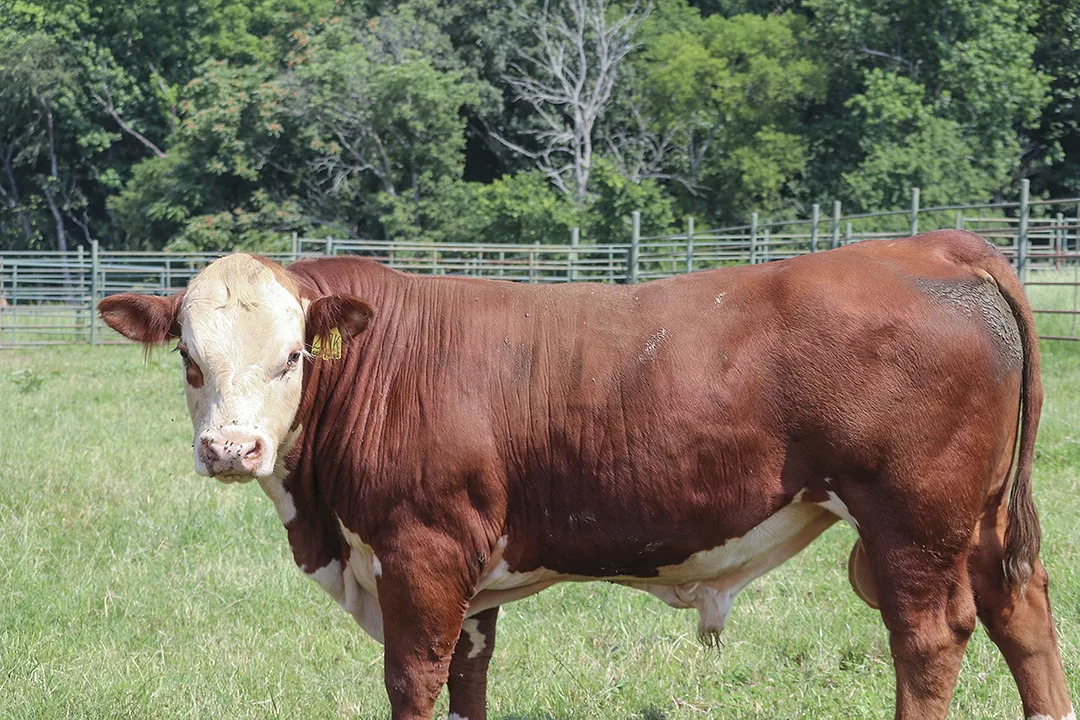
Seedstock producers are often faced with the challenge of preparing their young bulls for a sale and having those animals ready to go to work for their customers. There is a lot of truth to the old adage “fat sells.” Bulls that are underconditioned are viewed as higher-risk and of lower value than those that carry more muscle and cover. In order for young bulls to reach their full growth potential, they are often fed higher-energy, higher-protein diets – not representative of what they will be introduced to once at the ranch. If developed on pasture, they may be lighter as yearlings, depending on the environment they were managed in. Regardless, the buyers of these cattle may face similar challenges in adapting the bulls to their environment at home.

Nutritional management has evolved alongside the cattle. In the early years of bull development, bulls were fed rations more comparable to high-grain feedlot diets, designed to push performance and maximize gain. While those diets did produce impressive growth, they were not always ideal for transitioning bulls back to real-world, forage-based systems. Over time, the seedstock industry has shifted toward a more forage-based development model. Today’s rations are designed to still meet performance and efficiency objectives while better preparing bulls for life after the development phase. Increasing forage inclusion helps maintain rumen function, supports structural soundness and promotes longevity.
Knowing how these young bulls were managed prior to a sale should help buyers get a better idea of how they will transition at home. If the cattle are allowed to be on full forage diets two to three weeks prior to being sold, they will be better prepared for the lower-energy and protein typical of native forage because their rumen microbes will have been allowed time to shift.
Bringing a new bull home successfully begins before he ever steps off the trailer. Preparation of facilities and a clear management plan are essential for a smooth transition. Pens, traps and receiving pastures should be secure and free of hazards such as loose wire, sharp edges or poor footing. Good facilities reduce stress and help prevent injuries that can shorten a bull’s working life. Water availability is equally important. Clean, fresh water that is easy to locate encourages intake and helps cattle recover from transport stress. Feedbunks or hay rings should be positioned to promote calm, natural movement and minimize competition, especially if multiple new bulls are arriving together. Keeping these bulls full the first few days upon arrival will help reduce stress.
The first few days after delivery are a critical observation window. Transport stress, commingling with unfamiliar cattle and a new environment all contribute to temporary immune suppression and shifts in behavior. Close observation during the first 24 hours can reveal valuable insights. Watch for bulls that are bright and alert versus those that appear withdrawn. Note any stiffness, reluctance to travel or uneven gait that could indicate bruising or strain from hauling. Also pay attention to appetite and water intake; bulls that hang back or fail to come to feed may need additional monitoring. Addressing issues early often prevents larger setbacks later.
Allowing bulls a few days to settle before turning them out to larger pastures is a sound management strategy. A short acclimation period in a smaller trap or receiving pasture gives them time to locate feed and water, learn their surroundings and regain footing after travel. Once turned out, it is common for bulls to spend several days exploring fencelines, establishing social order and learning new terrain. If cows are present and cycling, bulls may also expend considerable energy chasing and breeding. This initial burst of activity often results in some weight loss during the first few weeks, which is normal and expected. The goal is not to eliminate weight loss entirely, but to manage the transition so bulls remain in adequate body condition heading into the breeding season.
Caring for new young bulls is both a responsibility and an opportunity. It is a critical period for protecting your investment. These animals represent years of genetic progress, financial commitment and breeding expectations. The way they are managed during the first weeks and months after purchase can shape their long-term soundness, fertility and productive lifespan. Structural integrity, hoof condition and body condition are all influenced by early post-purchase management. Providing adequate nutrition, avoiding sudden diet shifts and maintaining reasonable stocking pressure all contribute to keeping bulls serviceable for multiple seasons.
Consistency is key during this transition. Avoid abrupt changes in feed type or delivery method. If supplemental feed is provided, consider maintaining a forage-first approach and gradually adapting to local feed resources. Monitor body condition score and adjust accordingly – young bulls should enter the breeding season in moderate condition (5 on a scale of 1 to 9), not overly fleshy or thin. Overconditioned bulls may tire quickly and have reduced libido, while thin bulls may lack stamina and struggle to recover postbreeding.
Health monitoring should remain a priority as well. Watch for respiratory signs, lameness or evidence of injury, especially in the first 30 days after arrival. A simple visual check while feeding or riding through cattle can catch many problems early. Maintaining a good working relationship with your veterinarian and developing a bull health protocol – especially regarding vaccinations, parasite control and breeding soundness evaluations – adds another layer of protection to your investment.
A bull purchase is a significant expense. Maintaining the longevity of that animal can ensure both financial and genetic gain.