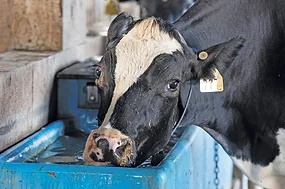
There is a lot of emphasis placed on the importance of managing heat stress for your cattle during the summer months. Have you ever considered how you manage heat stress for yourself and your team? If left unchecked, heat stress can develop into heat illness, a severe medical condition that typically requires hospitalization. Hot days and a blazing sun can be just as dangerous for the humans on the farm as it is for the livestock. There are many considerations for people to make while working out in the heat and sun, and they can make a big difference.

Working in high temperatures
Hot weather impacts everybody differently, but there are several precautions that can be taken to prevent heat stress and heat illness. Certain individuals may be more susceptible to the impacts of heat, such as those with preexisting conditions, those over the age of 65, pregnant women and those who are taking certain medications. Those individuals should plan for extra breaks in shaded or cool areas.
Additional breaks are necessary for everyone in hot weather. Taking the opportunity to get out of the heat and drink cold water can lower your core temperature and will help prevent heat illness. Drinking enough water is essential, as humans lose additional moisture from perspiration in the heat. Keep an insulated bottle with cold water handy and be sure to take short breaks for drinks often.
Certain tasks may need to be performed at different times or locations to avoid the worst of the heat. Try doing the most physically intensive jobs earlier and later in the day when it is cooler. If there is an air-conditioned area on the farm, consider what tasks can be completed there to limit heat exposure. There may be some tasks that take longer than usual due to these changes or more frequent breaks, so be patient with the changes in routine and schedule.
Working in the sun
In addition to the higher temperatures, working in the sun also has its risks. Ultraviolet (UV) radiation from the sun is a major risk factor for skin cancer – the most common type of cancer in the U.S. Farmers are at higher risk than the average American for skin cancer, getting two to three times as much UV radiation as an indoor worker, according to the Great Plains Center for Agricultural Health. Being sun-smart can protect your skin from long-term damage and melanoma.
Creating a barrier between the skin and the sun is the best way to protect against sunburns, sun damage and skin cancer. Long-sleeved shirts and long pants are ideal for working in the sun. Wide-brimmed hats that provide shade all the way around, like a bucket hat, will protect the head, face and neck. Eyes can also be damaged by UV radiation, so wearing sunglasses can provide extra protection.
If a physical barrier of clothing is not an option, sunscreen is a great way to protect skin from UV radiation, when used correctly. Mineral-based, broad-spectrum sunscreen is the best option and much more effective than the spray versions. Sunscreen should be applied liberally to all exposed skin, including the face, hands and neck. An often-missed step is reapplying the sunscreen every two hours, as it does wear away over time.
The best way to stay safe from the sun and UV radiation is by seeking shade whenever possible. Sun protection is also needed on cloudy days, as UV rays can still penetrate the Earth’s atmosphere. Regular access to shade and use of sunscreen can prevent sunburn and long-term damage.
Summary
Heat and sun safety on the farm is just as important for the humans as it is for the animals. Taking extra breaks and drinking plenty of water during heat waves will prevent heat illness. Using proper sun protection like clothing, sunscreen and shade – even on cloudy days – can help prevent long-term skin damage and cancer. People are the most important asset on any farm, so keep them safe this summer.
To view farm safety checklists for both heat and sun safety, visit online.