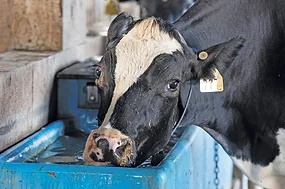
In today’s dairy industry, a commitment to lifelong learning is essential. New technologies, automation and data-driven decision-making are creating opportunities we couldn't have imagined just a few years ago. At the same time, we still need highly skilled, observant and engaged people in every role on our farms. The fundamentals of dairy farming haven't changed. We still work daily with animals and need people who can identify a sick cow, understand animal behavior and make wise decisions based on what they see in front of them.
A commitment to learning goes beyond keeping up with new technology and attending conferences; it is about intentionally investing in yourself, other individuals, teams and the dairy industry as a whole. When we create a culture that values learning, everyone benefits, from the employees and managers to the cows we care for.
Learn every day
I believe each of us should challenge ourselves to grow every day. At the end of the day, I want to be able to answer one simple question: What did I learn today?
I have been involved in the dairy industry my entire life, growing up on a farm in Door County, Wisconsin, that my brother owns and operates today. After attending the University of Wisconsin – Madison Farm and Industry Short Course, I worked in several dairy and industry-related roles. I’ve been an employee at Shiloh Dairy for 14 years. In the beginning, I had responsibilities working in the office. After four years, I moved into my current role overseeing the parlor, herd health, calves, maternity and heifers.
That transition challenged me to look at our operation from a different perspective. Our somatic cell count (SCC) was around 260,000, and it was driving me crazy because I knew we could do better. Instead of accepting it as just the way things are, we broke the problem apart and looked at every factor that affected the people, cows and processes in the milking parlor.
We evaluated routines, products, scheduling, supervision and training. We added parlor supervisors, updated protocols, changed teat-dip products and revised schedules to eight-hour shifts. Just as importantly, we measured the impact of each change we made. If something didn't improve results, we adjusted and tried something different.
Over time, those consistent efforts paid off. Today, our SCC averages around 75,000.
After making progress in the parlor, we took the same approach to other areas of the farm, including the calving pen, calf barn and heifer facilities. Department by department, we reviewed protocols, adjusted vaccination programs, established new expectations and developed leaders.
Invest in individuals with protocols and training
Dairy farms do an excellent job investing in cows and facilities, but I believe we need to invest just as intentionally in growing our people.
Training means more than handing someone a protocol and expecting them to figure it out. It means setting clear expectations, explaining the why behind procedures, working alongside employees and making sure they have the tools and resources they need to succeed. You can't expect someone to do a job well if you haven't clearly shown them what success looks like.
If someone needs different equipment, better supplies or additional support to do their job correctly, we need to provide it. Investing in people sends a message that their role matters and that we want them to succeed.
We also place a strong emphasis on continuous training, holding weekly team meetings and biweekly department meetings. We regularly bring in outside speakers to provide both dairy-specific education and personal development opportunities. One recent session focused on owning mistakes and learning from them. Everyone makes mistakes; the important question is whether we learn from them, make adjustments and move forward.
Invest in teams: Build a learning culture
Across the farm, we’ve built a culture where people are comfortable growing, learning, asking questions and continuously improving.
Our operation is very protocol-driven and has relied on many consultants, veterinarians and advisers who have partnered with us over the years. We value their expertise; additionally, we remind employees that each of them has a role in serving as our eyes, ears, mouth and nose throughout the operation.
These employees are working with the animals every day and are able to detect subtle changes. They see equipment issues before managers do. They recognize when a process isn't working as efficiently as it could. Their observations matter.
That doesn't mean every suggestion automatically becomes a new policy, but it does mean we listen, ask questions and explain decisions. When changes are made, we work to create understanding and buy-in before implementation.
We also encourage team members to attend outside trainings, workshops and conferences whenever possible. Taking a day away from the farm provides fresh perspectives, new ideas and opportunities to connect with peers from other operations. It can also be a reward for long-time employees and an incentive for new ones. We encourage attendees to bring those lessons back and share them with the rest of the team to create a ripple effect that benefits the entire operation.
Invest in the industry
I am excited about the future of the dairy industry because I see tremendous potential in the next generation of leaders. We recently started youth apprenticeship and internship programs at Shiloh Dairy to give young people hands-on experiences and see the wide range of opportunities available within dairy.
I am equally optimistic about the opportunity for stronger peer-to-peer learning among farms. Many of the challenges we face today are not unique to one operation, and there is a huge opportunity to learn and improve together through peer groups at multiple levels in organizations. When one farm improves, it strengthens the reputation and future of our entire industry. Sharing knowledge and learning from one another creates benefits that extend far beyond any individual operation.
Lifelong learning isn't about checking a box or collecting certificates. It is about embracing a mindset of continuous growth. When we invest in ourselves, invest in our people, build learning-focused teams and share knowledge across the industry, stronger businesses follow. More importantly, healthier cows, more engaged employees and a brighter future for dairy follow as well.
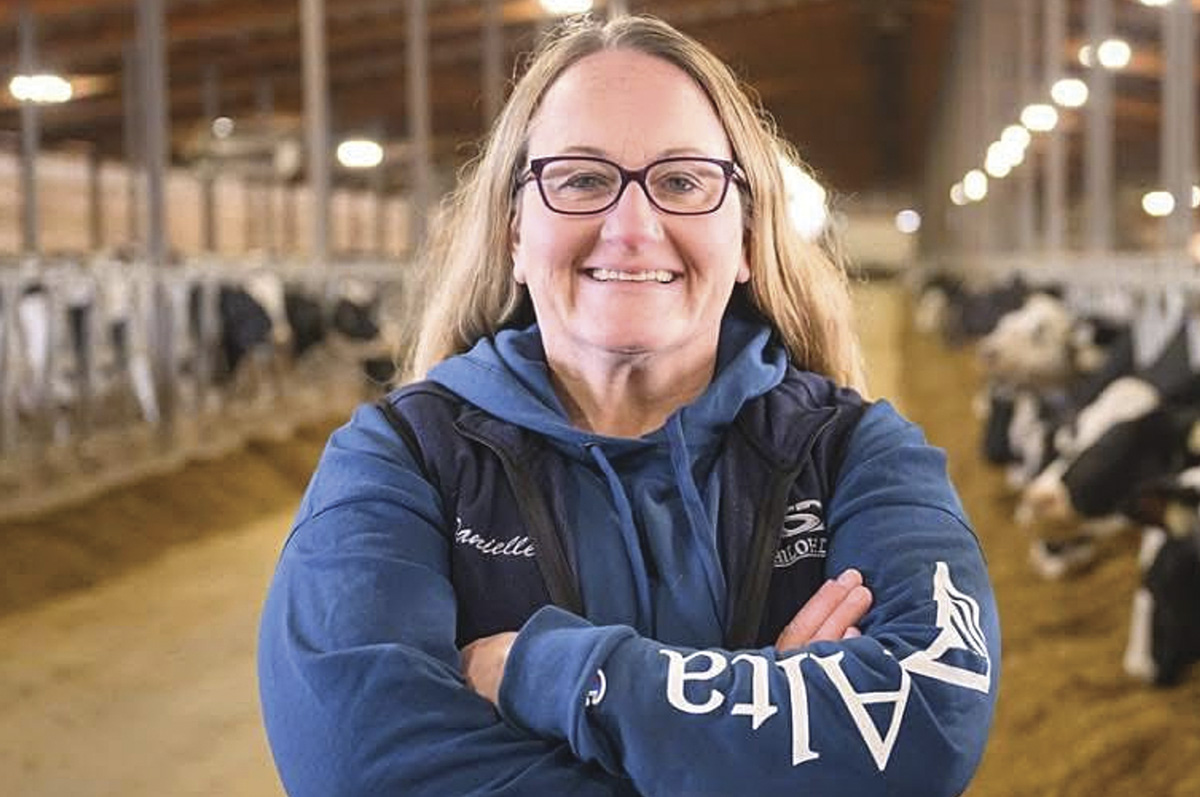
Danielle Ware-Dreier. Courtesy image.
Danielle Ware-Dreier is part of the management team at Shiloh Dairy in Brillion, Wisconsin. In her role overseeing the parlor, she and her teams have taken high-SCC herds from levels as high as 350,000 down to as low as 59,000. Ware-Dreier also oversees herd health, calves, maternity and heifers.
This column is contributed by Professional Dairy Producers (PDP), the nation’s largest dairy producer-led organization of its kind. PDP focuses on producer professionalism, stakeholder engagement and unified outreach to share ideas, solutions, resources and experiences that help dairy producers succeed.