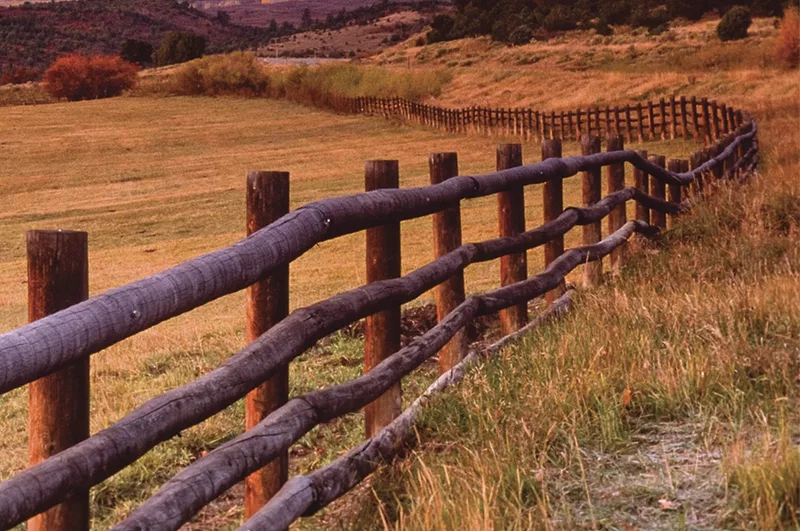
Drought has consumed much of the nation.

Winds replaced winter.
Heat replaced cold.
And nothing replaced the snow or rain.
We can’t predict whether the weather for the rest of the summer will bring rain, but we are praying for moisture and prepping for a Fourth of July devoid of fireworks. We need to protect our fields and pastures.
With the heaviness of drought – or other ranch things – do you ever want to run away? Escape? Close your eyes and have it all go away?
Of course.
I remember thinking this when my mom was going through severe health issues. Can’t I just pray, blink and have everything improve instantly?
It’s the common fight-or-flight response. Our bodies start releasing adrenaline to get us ready to protect ourselves either through fight or flight. Our muscles tense. Breathing tightens. Even as I type this, I’m reminding myself to take deep breaths. Ranching has stressors that invoke the fight-or-flight response. Drought is one of them.
Science says we need to let go of things we can’t control and only focus on the things we can control. It seems like easy advice, but there are many facets to this with agriculture. We can’t control the weather, but we can’t let it go. While we are praying for favorable outcomes, we must plan for the maybes and the what-ifs, like we are creating a multiple-choice test for Mother Nature.
So let’s have a little fun with this:
It hasn’t rained. Your irrigation water is nearing its end. You don’t have enough grass for the cows. Do you:
- Pretend that the fields and pastures will do as well as normal.
- Start carrying buckets from your well.
- Run away.
- Watch TV.
- Let the cows loose on the highways to munch down the borrow pits.
- Start feeding them artificial grass.
- Ship them to greener pastures.
- Go camping and hope the cows fend for themselves.
- Sell them all.
- Start a fight with the neighbor to take your mind off things.
- Go to a family reunion; there’s always some kind of entertainment there.
- Join the circus. They are always looking, and you’d still have animals in your life.
OK, so I didn’t get very far in my quiz. I just kept mixing in ridiculous answers. Yet, some of the answers aren’t that ridiculous. Even selling cows is an answer in drought. Really, it is.
Looking at the stressors, pressures and possible responses, it seems obvious why we are experiencing fight or flight: We are always looking for something. What are we looking for?
Independence.
We want to have production systems that are independent of variables, yet it’s those variables that our systems depend upon. When there’s rain, and calf prices are high – yahoo! It’s like the jackpot. But when there’s no rain and prices are down; well, that brings a different story. That story depends on time. How long will this last? Will we get incredible amounts of snow this coming winter? What will the markets do? Unknown.
But maybe independence could also mean something else. What if it means different opportunities? What if it means diversifying? What if it means looking at cyclical patterns to plan far ahead?
Many ranchers do follow cycles – both market cycles and nature cycles. While it isn’t a guaranteed prediction of what will come, cycles provide answers to possibilities – what works and what doesn’t.
Of course, they aren’t blanket answers for all because everyone’s land and cattle are different. However, we can learn a lot from what’s happened in the past and how other producers have responded.
If you’re in the camp of thinking that says, “We’ll take it as it comes,” and pasture rotations, hay buying, etc., are done on a weekly basis, then you’ll likely pay the highest prices for hay and be one of the last to sell cattle in a drought, which will bring you the lower prices of the season.
The opposite extreme is planning too far ahead and tying up resources that could be used elsewhere. However, planning isn’t a bad thing in moderation. Just don’t buy 10 years’ worth of hay.
Independence during stressful – or more stressful – years could mean setting yourself up for the best outcome in a struggling time:
- Diversify. Sell birdwatching, nature hikes, glamping.
- Assume the drought continues and set up best-case scenarios for grazing. Which pastures will rebound fastest?
- Cull deep.
- Reassess long-term goals. What short-term changes need to be made to allow for long-term growth?
I realize these are somewhat basic, but deeper answers exist, and I’m the type that looks for a silver lining.
Obviously, drought puts pressure on us as producers, but dry land can bring a few possible positives: the opportunity to find drought-resistant plant species for our pastures; the chance for native plants to experience root growth (sending roots deeper to look for water) or root pruning (plants shed fine absorbing roots to reduce water needs); and there’s the postdrought species diversification that often occurs.
I know. I may be driving the positivity bus too far in a year that feels reminiscent of the Dust Bowl. But independence in our production systems means looking for solutions even when the cards are down. And if things get so bad that the circus sounds appealing – just go to the family reunion instead.