There is a lot that goes into producing a movie. It’s kind of like a feed ration for cows. You have the paper ration from your nutritionist, the ration you actually put in the mixer and the ration the cows actually eat. Making movies is the same way. You have the script, what was actually filmed and what was edited for final cut. There is a lot to coordinate when doing a film. It takes hard work and planning for filming, thinking of all the details and deciding who is where and when. This is even more essential when the film involves small children and animals. Cows, to be specific! If you’ve ever noticed while watching movies, it’s all horses and dogs. Not too many movies include cows in their production, even though they aren’t too hard to work with.
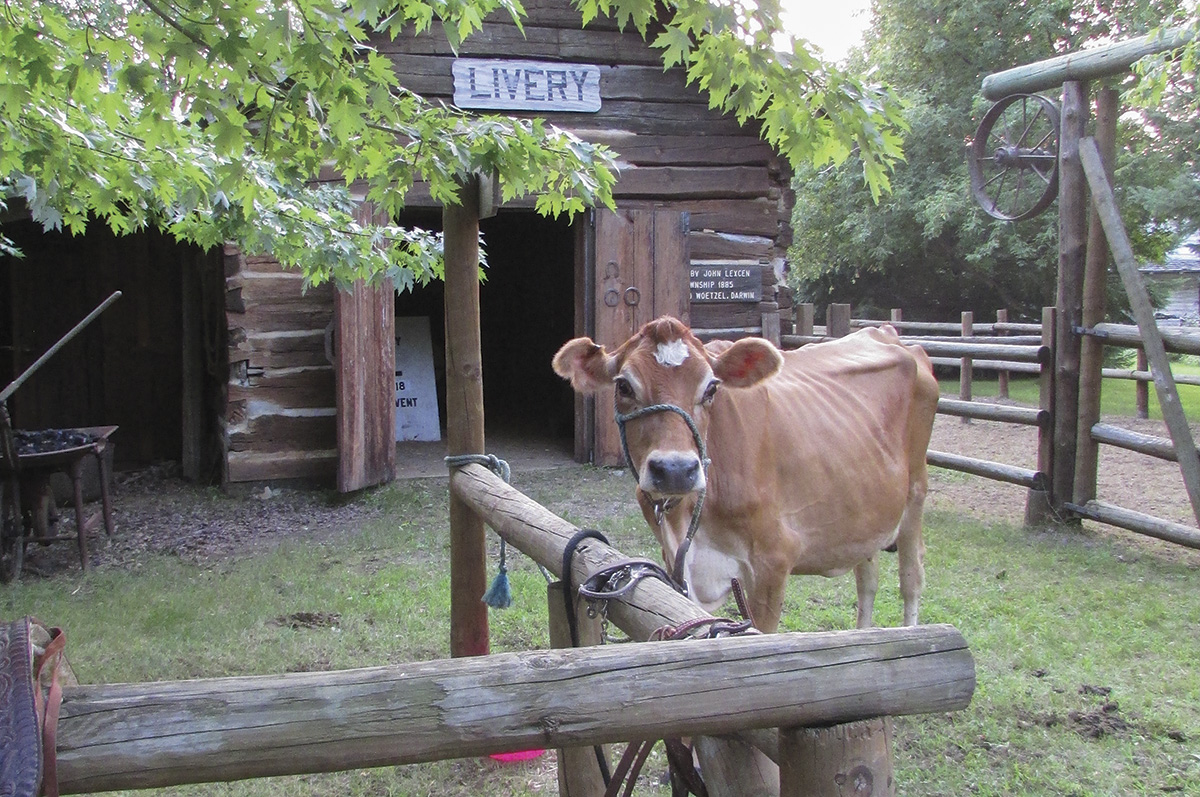
This is how one of our cows ended up famous! On our dairy farm in central Minnesota, we milk 38 cows of mostly Holsteins, with a few other component breeds for show (in the 4-H program). An independent film was looking for a historical-looking cow from the year 1889. They needed a milk cow for a hand-milking scene. Typically, a cow of that day was a Guernsey or the old-style Holstein that was short and square. All had horns, too. I narrowed it down to five milk cows that would work for the scene. The cow had to be halter-broke and easy to move around and trailered. A good-natured cow too, as their talent were going to be milking her and not a farmer. Lastly, she did have to be a smaller cow, as trailer room was limited with all the horses. As most of our cows fit this description, thanks to all the hard work 4-H kids did with them, one cow stood out to me when reading the script. She was a cute little Jersey cow named Toffee.
The day of filming, she was milked early, bathed (fun fact: Blue teat dip is very hard to get off, so you know it serves its purpose) and loaded last on a trailer load of horses. It was about an hour drive to the scene location. I packed her some grain, hay and a water bucket. It was a hot August day of filming with a lot of waiting around, so she was tied in the shade outside the corral with her water and hay. At one point, she got bored and moved herself down to the horses' saddles and decided they should be on the ground, not the fence, but she did good otherwise. Finally, it was time for her to be in the film. Her big career change. She was brought to the barn and tied to a post. Right before the director yelled action, she got her grain bucket. The scene went fast as everyone did so well on the first few takes. There were supposed to be chickens in the barn scene, but they would not cooperate, which was fun to watch as people wrangled chickens. Toffee didn’t seem to mind being hand milked and didn’t kick the bucket or the actress. She went back to her shade tree until it was time to leave and be trailered back to the farm. She was perfect for her role.
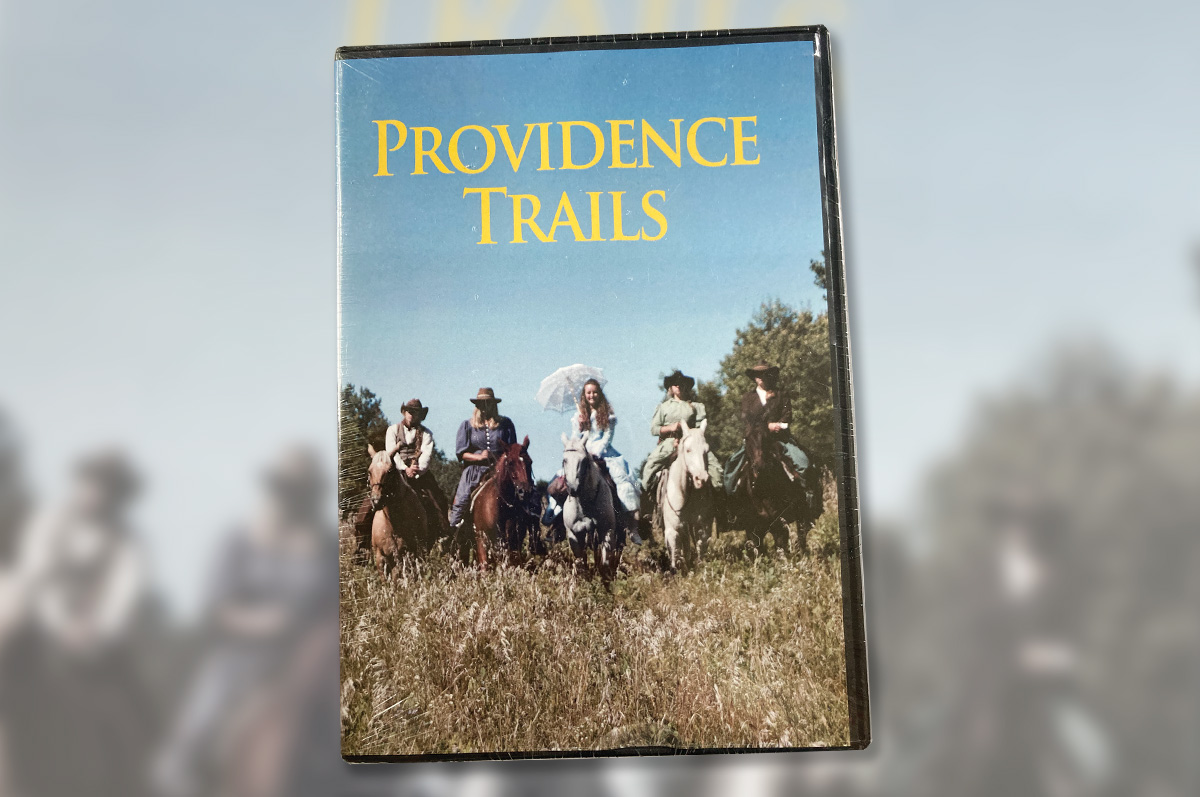
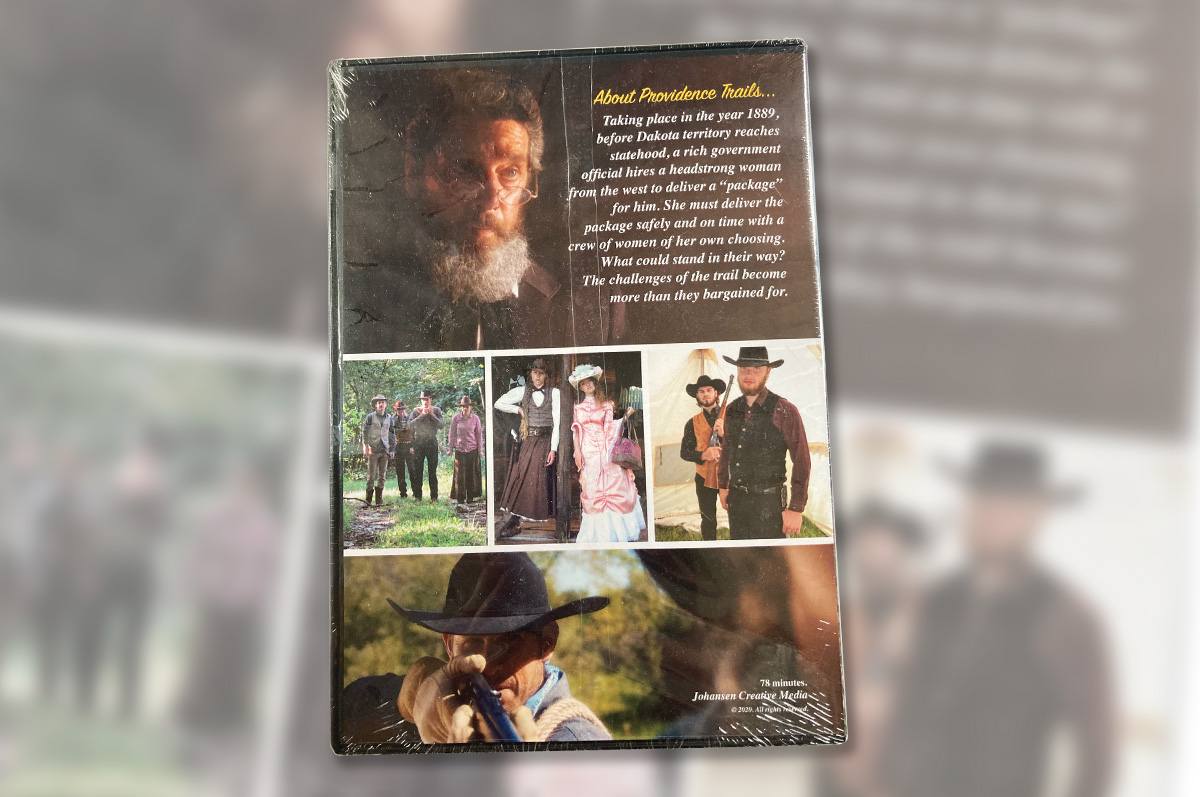
Almost a year later, the full-length feature film came out and we got to watch it on DVD. It was a proud farmer moment watching your cow on the big screen. The scene was short and really only showed the cow's hind end and udder (which wasn’t blue, thank goodness), but it turned out fantastic! I’m sure Toffee could care less about the ordeal and probably only remembers the trailer ride with horses, which she was not in favor of, but did it for us. The film has since been to many film festivals around the U.S. and even viewed on three continents. I can now say I have a world-famous cow! I have to buy her movie, Providence Trails, on Amazon now.
Courtesy image.
Courtesy image.
Courtesy image.