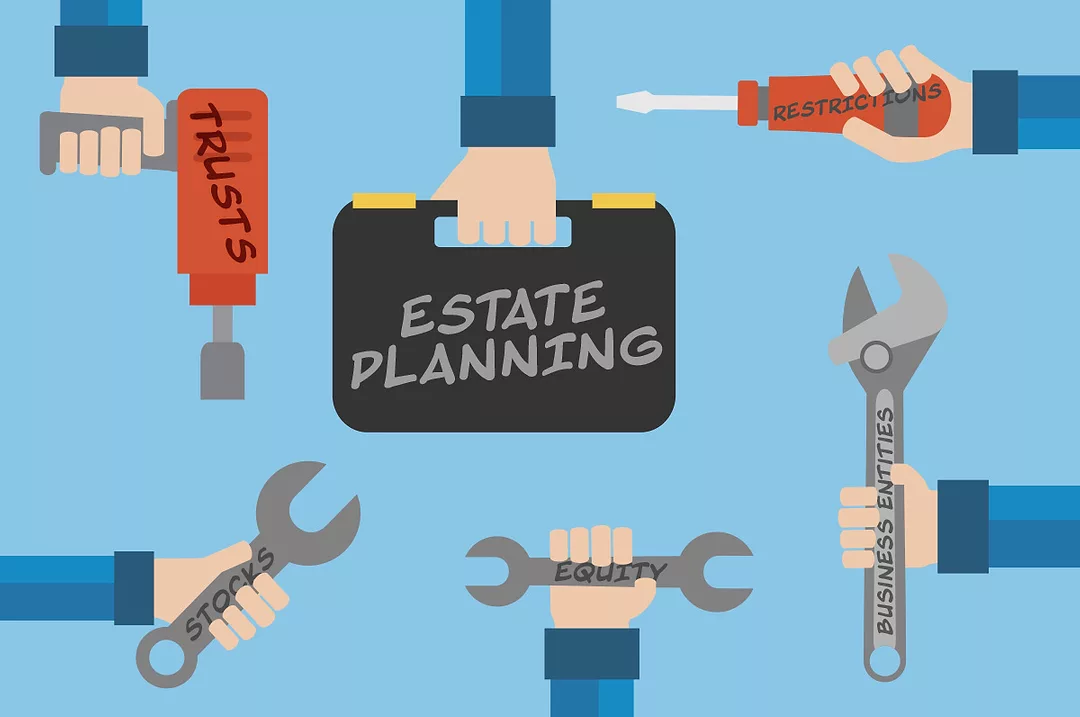
We could extensively discuss the misuse of the phrase “estate planning” to describe what should be called “transition planning” for ag operations. Instead, I’ll simply summarize by saying an estate plan is more than just a last will and testament, and should plan for the remainder of your life as well as your intentions after your death.

A few common tools for both business planning and estate planning are business entities and trusts. You have likely heard that both business entities and trusts can be useful tools in planning your estate, which is correct. However, there are several considerations when establishing and operating those entities and trusts, and there are “hurdles” that can cause significant challenges to your estate planning goals if they are not addressed.
Business entities versus trusts
A formal business entity (excluding general partnerships) is generally a structure separate and apart from you as an individual and may assist you in separating your business liability from your personal liability. Choosing which entity meets your specific needs is a detailed and extensive discussion – limited partnership, limited liability companies, corporations, etc.
Most business entities hold property separate from your individual ownership of assets, while a trust’s “ownership” splits the asset’s title into two portions – legal title and equitable title. The legal title owner – the listed owner of the property – is the trustee on behalf of the trust, while the equitable title owner(s) – the persons due to receive the benefits from the property – are the trust beneficiaries. While this may also place liability for those assets on the trust, rather than you individually, it is not the same as a business entity.
Specific considerations
Hopefully, you see there are many options to consider when integrating a business entity or trust into your estate plan, but there are a few specific issues I want to highlight for you. Let’s call them hurdles.
Business entity hurdles
Buy-sell restrictions: Will your entity have restrictions on the sale or transfer of the ownership interests (shares, stocks, etc.)? If so, how will those affect inheritance when an owner dies? Will the heirs inherit? Will they be “bought out” of the business? How will the business have the cash flow to pay for that buyout? If they inherit, do they get voting rights or just income rights? What if your heir leaves their interest to a spouse or someone else? These types of restrictions are commonly called buy-sell restrictions, although they may have other names in some instances.
While many businesses prefer, or default, to a forced buyout upon the death (dissolution, divorce, bankruptcy, etc.) of an owner, many agricultural operations instead prefer for the interest to remain in the family and pass to the heirs of the former member. That may or may not be the case for your operation, and you should carefully consider the pros and cons of those arrangements.
Information gaps: If you have buy-sell restrictions, how will you enforce them? How will you know what the owner’s estate plan looks like? Will you ask them to disclose their plans? Will you wait until they pass away and see what happens? What about their privacy or attorney-client privilege with the attorney who drafted the estate plan? What if they have no estate plan at all?
Trusts hurdles
There are numerous categories of trusts. Here are just a few:
- Intervivos: Created during life
- Testamentary: Created by a last will and testament
- Revocable: Can be revoked by the trustors establishing the trust or by some procedure
- Irrevocable: Generally cannot be revoked
Within each category of trust is a near-countless number of trust types. For example:
- Grantor Retained Annuity Trust (GRAT)
- Grantor Retained Unitrust (GRUT)
- Qualified Personal Residence Trust (QPRT)
- Qualified Subchapter S Trust (QSST)
- Qualified Terminable Interest Property Trust (QTIP)
- Intentionally Defective Grantor Trust (IDGT)
- Irrevocable Life Insurance Trust (ILIT)
Which type of trust is the right fit for you, or if a trust is a fit at all, is specific to your circumstances and goals. Are you seeking estate tax benefits? Income tax benefits? Continuity of your operation by your heirs? Attempting to avoid a dispute about the property in the future? There are many paths to consider.
Common hurdles
Conflicting provisions – when worlds collide
Assuming you have a last will and testament, business entities and trusts, how do those tools interact? The hope would be that all the documents were drafted to coincide and work together, but the reality is they may have been drafted at different times, by different professionals, been amended or changed or simply were not updated. So, there is a possibility these tools could conflict, particularly regarding the passage of assets upon death.
S-corporation qualification
One major hurdle to consider, which I have found many operations unprepared for, is the limitation placed on trusts owning S-corporation stock. In general, if a small business corporation has elected S-corporation treatment for tax purposes, there are limitations on the stock/ownership of those entities being held by a trust.
There are numerous exceptions, rules, definitions and – frankly – quirks to the law regarding these restrictions that should be carefully reviewed for your operation. For example, there are specific rules for the treatment of family members as shareholders.
In many instances, this issue arises when a shareholder of an S-corporation passes away and leaves their shares in trust for their heirs. Unless specific rules are followed and the trust contains specific provisions, the ownership of the shares will be heavily restricted, and the trust may be forced to terminate or divest from the shares.
Common tools for addressing this hurdle are Qualified Subchapter S Trusts (QSSTs) and Electing Small Business Trusts (ESBT).
So while business entities and trusts can be powerful tools for addressing many estate-planning concerns, they come with unique hurdles. There are numerous tools and strategies to address these hurdles, but you might spend some time pondering these questions before seeking legal assistance in putting pen to paper (or fingers to keyboard).
All of these are important considerations that should be discussed with your legal counsel before diving into a business, trust or estate plan.
This article is provided for informational purposes only. Readers should consult their own professional advisers for specific advice tailored to their needs. Information contained in this article may be subject to change without notice.