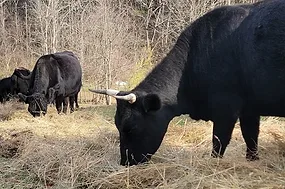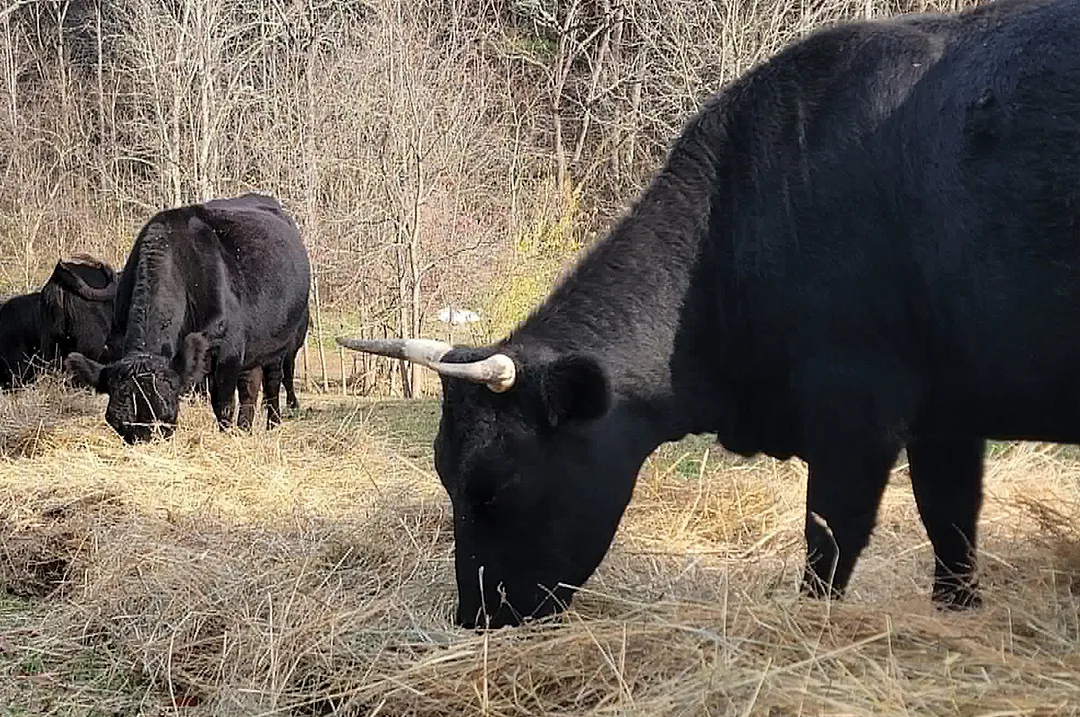
Leafing through pictures of beef cattle from a hundred years ago, it’s apparent that most breeds were smaller than the beef cattle of the 21st century. Whether it’s Hereford, Angus or even a less common breed like Belted Galloway, the trend has generally been that bigger is better. For some beef producers in recent years, the desired size of cattle has swung in another direction – in many cases, medium- or smaller-framed cattle may be more profitable and more sustainable.

USDA statistics show that the average live weight of federally inspected cattle at time of slaughter was 940 pounds in 1940. By 1963, it was 1,027 pounds. Today, those animals would be considered very small.
Dexter
Danielle Somerville-Lowther of Bryn Mawr Farm near Marietta, Ohio, raises Dexters, one of the smallest breeds of cattle.
“Smaller cattle have a lot of benefits,” says Somerville-Lowther, explaining that they often do better on lower-quality forage and thrive on a grass-based diet.
With drought still gripping many parts of the country, the fact that a smaller bovine can more easily be maintained is worth considering for any producer. Having raised Dexters for nearly a decade, Somerville-Lowther has learned that it can be easier to market smaller cattle.
“You can easily sell a whole Dexter or a half,” she says. “It’s easier to sell people the cow direct.”
Another advantage is the tenderness of the beef, according to Somerville-Lowther.
“The smaller muscle fiber makes for more tender beef,” she explains.
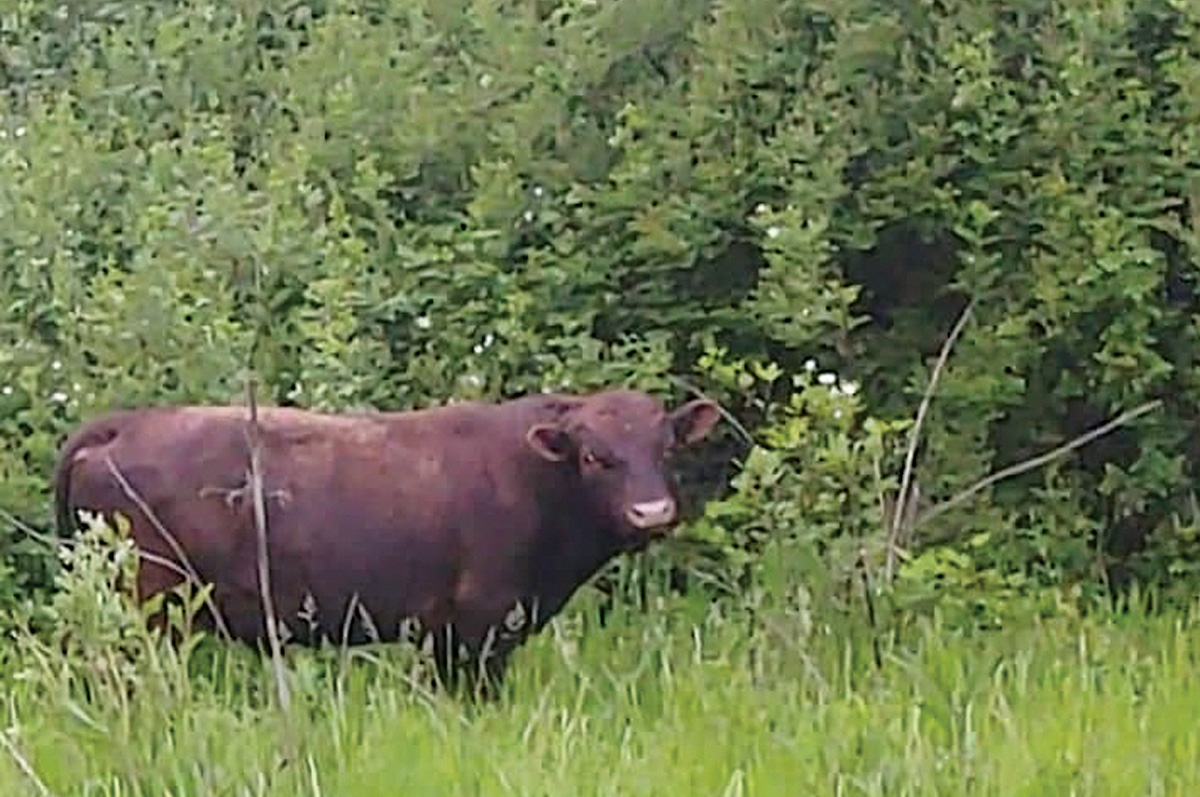
Image courtesy of Bryn Mawr Farm.
Belted Galloway
While Dexters may ultimately be too small for many producers, Belted Galloways, affectionately known as Belties, are closer to commercial cattle in size. Terry Etheridge raises Belted Galloways in Eu Claire, Wisconsin, and markets beef directly as hamburger.
“Belted Galloways are really good on forage,” says Etheridge, explaining that their medium frame makes them good candidates for a grass-fed feed program.
Etheridge’s cattle usually have a live weight of about 1,100 pounds at maturity. Although he feeds just grass and hay, he notes that the breed does respond well to grain.
“If you add a little grain, they are exceptional,” he says. “It’s what you want to put into them, like any cattle.”
One consideration when evaluating the proper size of cattle is calving ease. Generally, extremely small cows like Dexters very rarely have a problem calving. Etheridge usually doesn’t breed his belted cattle until they are roughly 2 years old, and he says that a later calving age has helped him avoid any problems.
Although Belted Galloways may not be the largest cattle, sometimes other attributes contribute significantly to profitability. Etheridge says that his animals display more consistent quality across the entire body.
“They marble in their whole carcass,” he says, explaining that even traditionally less expensive cuts are high in quality with this medium-sized breed.
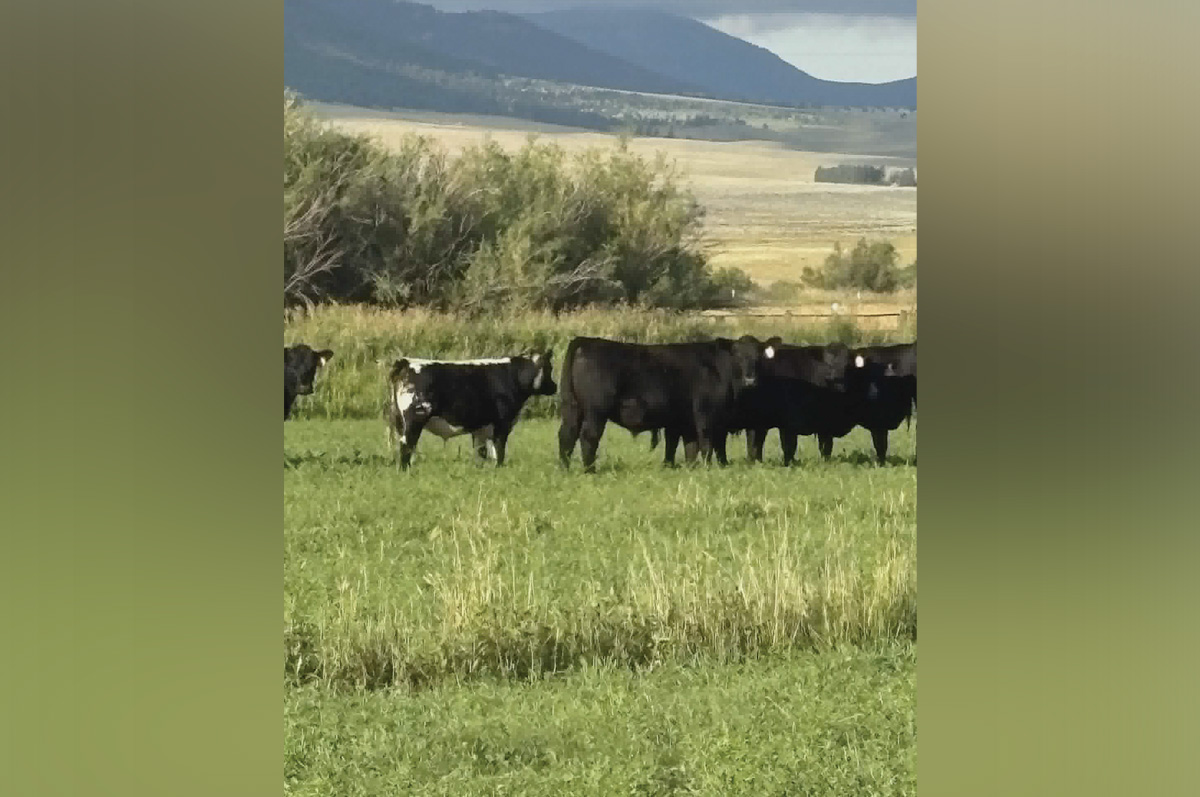
David Shockey says that utilizing Aberdeen Angus (also known as Lowline), Speckle Park and Angus genetics on his Montana ranch requires less input of feed and water. Image courtesy of Muddy Creek Ranch.
Aberdeen Angus
David Shockey raises Aberdeen Angus in Wilsall, Montana. Sometimes called Lowline Angus, the breed was created in Australia using Angus genetics from the U.S. Smaller than standard Angus cattle, Aberdeen Angus are now raised all over the world.
“The overwintering cost is less,” says Shockey of his cattle, emphasizing that they use one-third less feed, one-third less water and have one-third less of a carbon footprint. Shockey says that his Muddy Creek Ranch is profitable because of the smaller-framed cattle he raises.
“It’s the right size,” he says. Usually weighing in at around 1,100 pounds live weight at 18 months, Shockey’s cattle are still big enough and fast-growing enough to pay the bills and then some. Muddy Creek Ranch is comprised of roughly 3,000 acres, and Shockey and his wife, Karen, usually run around 250 cows on the land, along with steers. Shockey irrigates with both pivots and flood irrigation.
“You ain’t raising all that bone,” states Shockey of his Aberdeen Angus cattle. “It’s just smaller bones and more meat. You don’t get paid for what ends up being thrown in a bucket.” Shockey also emphasizes that his cattle rarely have any birthing problems. “If they don’t have any trauma, they do better.”
The Shockeys also raise some Speckle Park cattle and use standard Angus genetics to produce crossbreds.
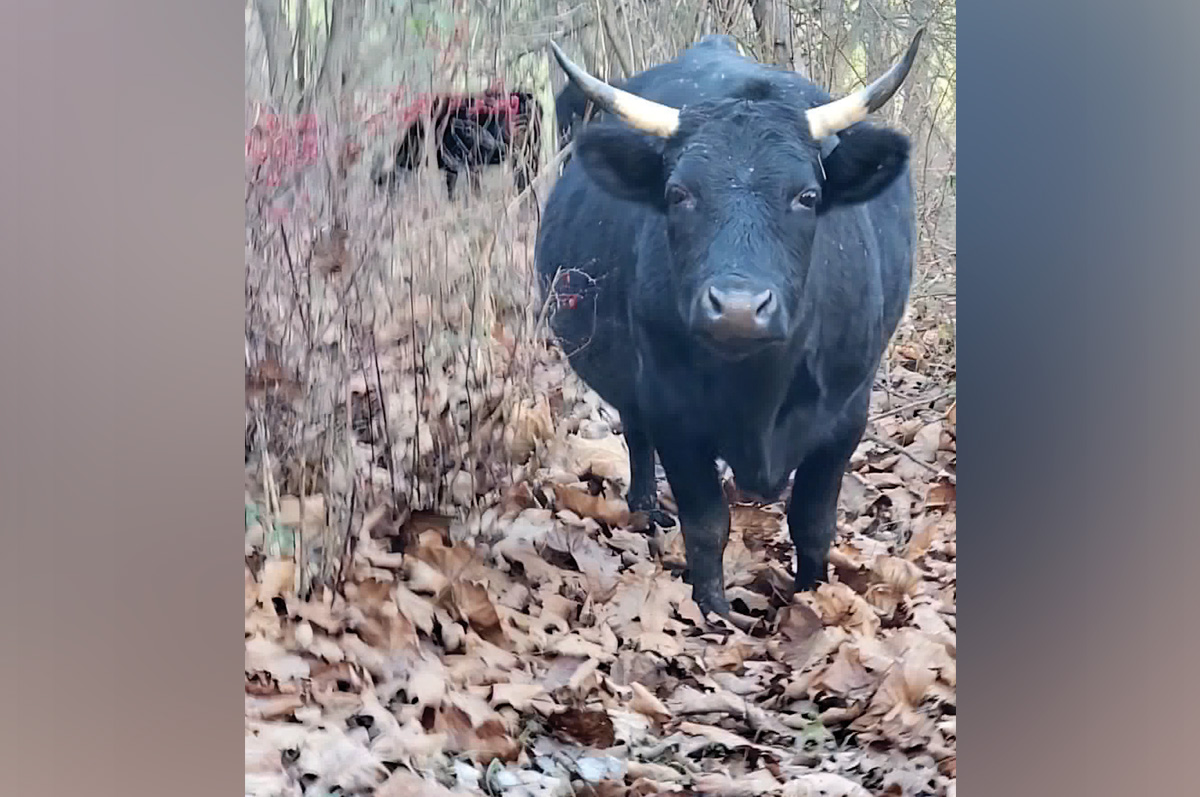
Image courtesy of Bryn Mawr Farm.
Galloway
Terry Marcotte raises Galloway cattle on Marble Road Farm in Belleville, Kansas. A distinct breed from Belted Galloways, Galloways also originate from Scotland and are considered a medium-sized breed.
“We’re averaging 1,175 pounds per cow,” says Marcotte, who also serves as the secretary of the American Galloway Breeders Association. “I run more cows per acre,” he says in reference to ranchers who favor larger cattle.
Marcotte emphasizes health and hardiness with his herd.
“I think the good Lord meant cows to go out and find their own feed instead of waiting by the gate to be fed,” he says.
Located in fertile Republic County, Kansas, Marble Road Farm is a place where Marcotte’s medium-sized cattle can certainly find feed and thrive.
One possible disadvantage of raising smaller cattle may be slaughtering fees. With a kill fee per head of a hundred dollars or more at many slaughterhouses, a beef producer can end up paying significantly more per pound at slaughter time.
Although every farm and ranch is different, small and medium-sized cattle – through thrift, hardiness and high-quality meat – may help many beef producers maximize profit.