
Every person reading this article likely has some idea of what it means to produce good, quality milk. But consider that milk quality varies depending on the perspective of:
- Consumers who evaluate milk quality based on nutrients, safety, taste, smell and shelf life
- Processors who view it as a measure of productivity, milk components, safety, end-product quality assurance and revenue potential
- Farmers who define milk quality by meeting the demands of both consumers and processors, striving for high and consistent quality to ensure revenue and potentially earn bonuses
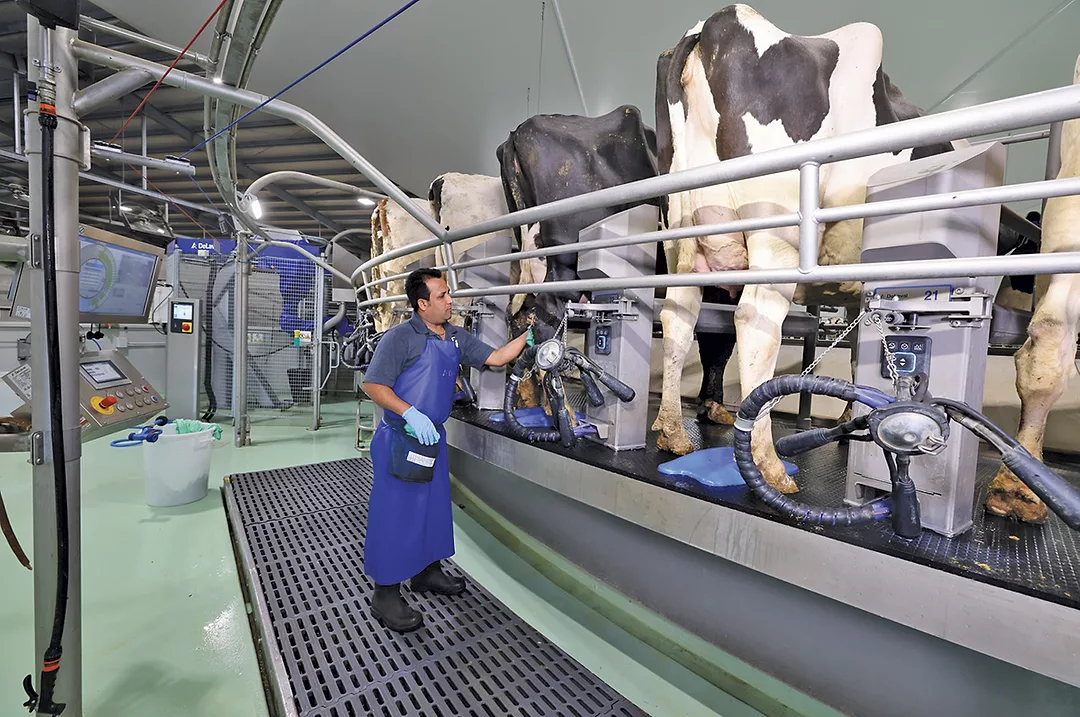
Maintaining high milk quality is vital for dairy operations, and one of the most effective ways to achieve this is by improving parlor hygiene. Let’s review the seven fundamental practices that can help ensure exceptional milk quality for your farm, satisfying processor requirements and delighting consumers – while keeping your parlor clean, efficient and safe.
1. Follow proper milking procedures
- Premilking preparation: Prepping cows properly before milking is a critical step. Use disposable towels or clean reusable ones for each cow to avoid cross-contamination and ensure udders are clean and dry.
- Consistent routine: Establish a milking routine that is predictable and comfortable for both the cows and the operators. A consistent routine reduces stress for the cows and enhances letdown, leading to better milk flow and quality.
- Proper milking technique: Incorrect machine attachment and removal can damage teats and create discomfort, which may lead to infections. Make sure operators are trained to attach and detach milking equipment correctly and gently.
- Cow flow: Cow flow plays a crucial role in an effective milking procedure as it directly impacts milk flow. While often overlooked, it requires the same level of management and continuous evaluation for consistency as the milking routine itself.
2. Monitor teat health regularly
- Premilking teat disinfection: Use premilking teat dips to reduce bacterial contamination. This helps lower the risk of mastitis, one of the main contributors to compromised milk quality.
- Postmilking teat care: Immediately after milking, teat ends remain open and vulnerable. Postmilking teat dipping with an effective disinfectant ensures that pathogens do not enter the teat canal.
- Teat dip coverage: Make sure you have good teat dip coverage for both pre- and postdip. This is especially important to monitor as routines sometimes become mundane and this is one of the most common for employees to relax on. Speed of routine, dip viscosity and dip color are common factors that affect coverage.
- Check for signs of mastitis: Consistently examine teats and udders for signs of infection. If cows show swelling, discoloration or pain, seek veterinary assistance promptly to maintain herd health and prevent milk contamination.
- Develop regular assessments of teats: Score cows regularly, including teat ends, teat skin condition and teat end cleanliness.
3. Optimize equipment function and cleanliness
- Clean and sanitize equipment: Milking equipment must be thoroughly cleaned and sanitized after each use using an approved clean-in-place cleaning program to prevent the buildup of milk residues and bacteria inside the system. Additionally, follow a strict cleaning protocol for hoses, liners and milking claws to prevent cross-contamination between the equipment, the milker’s hands and the cow’s udder.
- Regular maintenance: Test, calibrate and service milking machines regularly to maintain vacuum pressure and pulsation settings. Faulty equipment can increase the risk of teat damage and milk contamination.
- Backflushing systems: Consider implementing a backflush system that automatically disinfects milking units between cows. This can greatly reduce cross-contamination and improve milk hygiene.
- Liner performance evaluation: Measure teat lengths across various lactation groups using a ruler or another accurate measuring device. Analyze the data to determine the percentage of the herd that may face difficulty during milking. Ensure the sample size is representative, comprising at least 20% of the group. If the results align with your comfort level for performance, the liner is deemed suitable for your needs.
-
Water quality: A key factor in achieving high milk quality and parlor hygiene across any milking system is ensuring access to sufficient, high-quality water for cleaning. Water serves as the foundation for an effective cleaning program. To maintain optimal cleaning standards:
- Conduct regular water quality tests to ensure its suitability for cleaning purposes.
- Design systems that provide an adequate supply of water to meet the demands of all cleaning tasks.
- Ensure the availability of sufficient hot water to thoroughly clean all components of the milking system. By prioritizing water quality and availability, you can uphold hygiene standards and contribute to consistently high milk quality.
4. Focus on parlor environment cleanliness
- Floor and drain cleanliness: Regularly clean floors, drains and stalls to prevent the spread of pathogens. Maintaining cow comfort and hygiene is essential to reducing the risk of milk contamination. Be sure to perform cleaning when cows are not on the deck to prevent manure or pathogens from splashing onto their udders.
- Ventilation: Proper ventilation in the parlor helps control humidity and odor, which can impact both cow and operator comfort. Lower humidity levels discourage bacterial growth, contributing to a healthier milking environment.
- Waste disposal: Efficient waste disposal methods help keep the parlor area sanitary. Ensure that waste is removed regularly and that waste storage areas are located away from the milking area to minimize bacterial contamination risks.
5. Advocate for employee training and compliance and gain trust
- Employee training: All staff involved in milking should be trained on standard operating procedures for hygiene and milk quality. This includes everything from premilking preparation to proper equipment handling.
- Effective communication for building trust: Establish a clear and efficient communication system to report issues such as equipment malfunctions or cow health concerns. Timely reporting ensures swift resolution of problems, which is essential for upholding milk quality and fostering trust within the team.
- Consistency and ongoing evaluation: Perform regular assessments to ensure staff consistently follow established hygiene protocols. Provide periodic training refreshers and conduct evaluations to maintain and enhance cleanliness standards in the parlor.
6. Implement milk quality testing
- Regular milk testing: Regular milk quality testing for somatic cell count (SCC) and bacterial count provides insights into herd health and parlor hygiene. High SCCs often indicate mastitis, which requires intervention to maintain milk quality.
- Monitor bulk tank temperature: Temperature control is vital to prevent bacterial growth. Ensure milk is stored at the appropriate temperature immediately after collection and check cooling equipment regularly.
7. Monitor milking performance data, if available
- Milking performance data: Data serve as a diagnostic tool, connecting operational practices with hygiene outcomes to optimize both milk quality and parlor sanitation. Serving as a centralized hub for data collection, herd management software provides easy access to comprehensive, real-time information about daily operations within the milking parlor. This level of monitoring and analysis directly contributes to improved milk quality by identifying and addressing factors that influence udder health, hygiene and milking efficiency. Regular consultations with a herd management adviser can help identify trends, address emerging issues proactively and ensure long-term operational success.
Focusing on the basics of parlor hygiene goes a long way in enhancing milk quality. By following these essential practices – consistent milking routines, thorough teat care, rigorous equipment checks and sanitization, parlor cleanliness, ongoing employee training and regular milk testing – you can help protect your herd’s health and produce high-quality milk for the consumer, the processor and for the farm. Prioritizing hygiene not only boosts milk quality but also supports a sustainable, efficient dairy operation.