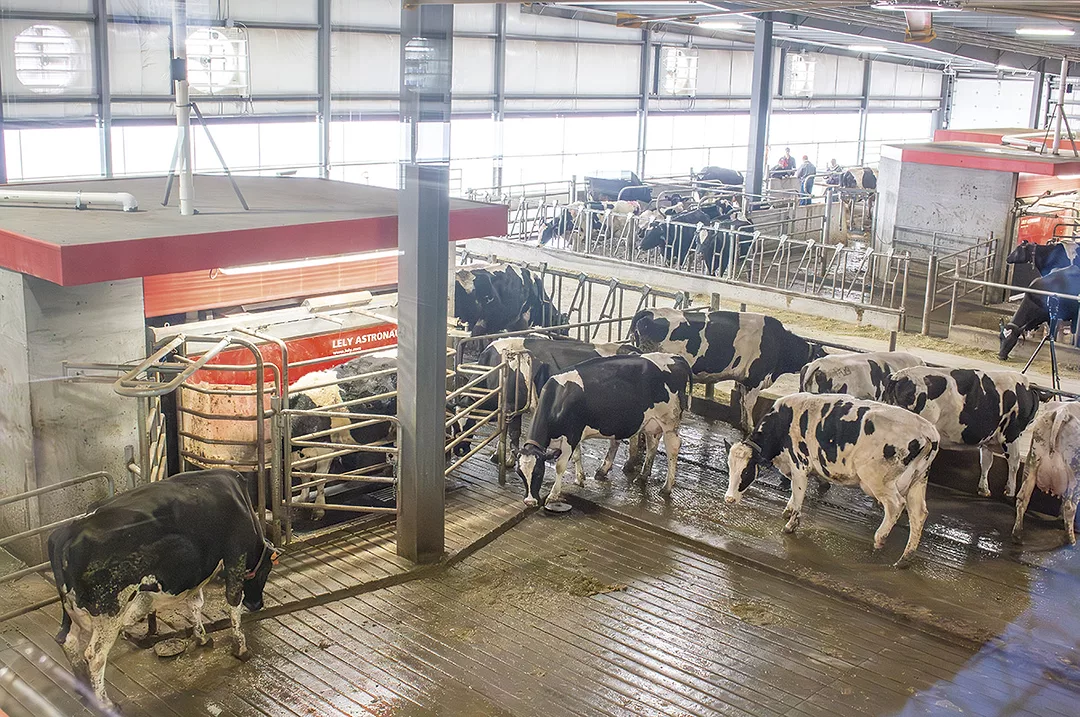
Whether dairy producers are making the switch to automation for the first time or adding to existing equipment, preowned systems offer access to the benefits of automation at significant savings from new pricing. The advantages of improved efficiency, reduced waste and greater cost and yield predictability that automation provides are compounded when the capital investment on equipment is reduced.

There are, essentially, three categories for dairy producers to consider in preowned equipment, much like buying a new vehicle.
The first option would be to consider fully reconditioned or certified preowned (CPO) systems. These systems have been inspected and sanitized, including the replacement of milk contact components and many of the electrical and mechanical components. CPO systems are reconditioned either by the original manufacturer or by authorized dealers and typically include many new, and sometimes improved, components. These units are certified back to the original standards set by the manufacturer. These units are expected to have the greatest usage life of all preowned machines. New automated milking systems typically range from $150,000 to $250,000 per unit, according to extension research. When you consider that CPO units typically cost about 35% less than brand-new systems, that’s real savings. It’s worth noting that some CPO units even come with the same manufacturer-backed limited 12-month warranty and are eligible for the same financing options as new systems.
The next option would be to consider refurbished systems. These systems are typically refurbished by the local dealership as used equipment within their area becomes available. The local dealer can work with you to refurbish a robot to a price point or a quality level that aligns with the needs of your farm goals. These systems may have undergone limited inspection and refurbishment but typically are not restored to factory-like-new performance. As a result, they typically are priced lower than CPO systems. They likely do not carry the same “like new performance” certification from the original manufacturer and may or may not come with a warranty.
The final option within the preowned category would simply be the used systems sold in their current or “as-is” state, commonly without repairs or testing and without a warranty. They are ideal for producers looking for the lowest capital investment.
Align equipment investment with business goals
Automation investments should align with long-term business goals. Farmers should make sure that automated systems can integrate with future plans, whether that be upgrades or expansions.
Perhaps the farmer has plans to expand and would prefer to add the same model purchased years ago because they are happy with it, they are familiar with it and they already have spare parts to support it. With the increasing availability of preowned equipment, these farms now have greater access to equipment that matches the model they already own and may even come with a warranty, as in the case of CPO.
For smaller farms, starting with one or two preowned robotic milking units can be a strategic approach. As the benefits of automation become evident, dairy farmers may want to invest further into automation and expand their operations over time.
Service and support
You should always start your preowned equipment search by reaching out to your local dealer. They are great sources of information and can ensure all costs are outlined upfront when considering automation, allowing farmers to make informed financial decisions and avoid unexpected expenses. It’s possible that the brand authorized dealer must be involved in the sale or installation to ensure the appropriate software or subscription licensing is available. Some companies even provide planning services to help dairy producers determine the best layout for automation in their existing facilities, allowing them to maximize efficiency without unnecessary renovations.
When considering preowned systems, get to know the local dealer early on in your search. They are the ones that will provide essential service and support for the entire life of your preowned equipment. Technical service support and farm management support advisers at local dealership centers help establish preventative maintenance routines, continuous improvement processes and recommend the appropriate cleaners and consumables. Be sure to ask your local dealer if they provide service agreements on their preowned equipment. Service agreements are an excellent option for minimizing unexpected issues, securing spare parts availability and maintaining a stable monthly service amount.
Financing
For preowned equipment, there are numerous financing options available. Depending on the level of refurbishment done to the equipment, farmers may find the same financing options available as on new equipment, including leasing options. Contact your local dealerships, as they may be aware of various lending options available for preowned equipment in your area.
Additionally, grants and government-backed loans may be available to dairy farmers seeking to invest in technology, innovation and automation. USDA programs can help offset costs and provide financial incentives for adopting sustainable and efficient agricultural practices.
While automation presents a promising future for dairy farming, careful financial planning and strategic decision-making are essential. By working closely with local dealers and lenders, dairy farmers can develop a plan that aligns with their operational needs and budget. Planning and guidance from local experts can help guide them toward making a successful investment in an automated milking solution that will serve their farm well.For those looking to modernize their farms without the financial strain of brand-new systems, the preowned equipment market provides a practical and cost-effective path toward automation. With the right approach, dairy producers can embrace the future of farming while maintaining economic stability and sustainability for years to come.
References omitted but are available upon request by sending an email to the editor.