It goes without saying that milk is a staple in the diets of many people worldwide. Rich in protein, calcium, phosphorus and vitamins A, D and B12, milk helps build and repair body tissues. Also, it promotes the formation of antibodies to fight infection and plays a crucial role in blood clotting and muscle contraction.

Over the years, there have been significant changes in the way milk is stored, preserved and consumed. Since its development in the 19th century, the method of preserving milk by evaporating and storing it in sealed containers has grown into a large-scale industry. In this article, we delve into the realm of concentrated milk, covering everything you need to know about milk type, from basics to types and benefits.
Concentrated milk: Quick overview
Concentrated milk products are known for their unique taste and long-shelf-life quality. But what exactly is concentrated milk? Well, most of us use concentrated milk every day, though we may refer to it by other names like condensed milk or powdered milk.
In essence, concentrated milk is milk obtained by partial water removal. The milk type contains less than 40% milk solids, making it a concentrated liquid. Concentrated milk has the same minerals and vitamins as fresh milk.
Did you know that concentrated milkfat, derived from concentrated milk or concentrated milk cream, is gaining increased traction in convenience foods and ready-to-eat products? The concentrated milkfat market is poised to reach $9.9 billion U.S. by 2034, exhibiting a compound annual growth rate (CAGR) of 6.3% from 2025 to 2034.
How is concentrated milk prepared?
The preparation of concentrated milk involves several steps. These include:
Receiving milk from supplier
This is the first production stage and involves the delivery of the milk from the supplier to the concentrated milk producer. After arrival, the milk is stored in special hygienic tanks and cooled to 41ºF (5ºC) or below. The cooling action ensures there’s no bacterial growth and the milk remains fresh.
Milk testing
In this stage, samples of the milk are taken for a variety of laboratory tests. These tests ensure that the milk doesn’t contain any harmful microorganisms and meets all the required standards. Also, they analyze the fat content and other critical components such as the protein level in the milk.
Filtration/clarification
After meeting all the required standards, the milk undergoes the filtration or clarification process. The filtration process uses dairy processing equipment to remove tiny foreign materials that may be trapped inside the milk. Clarification is used for the removal of minute particles that aren’t visible to the naked eye.
Standardization
The standardization stage intends to ensure the quality of the concentrated milk conforms to set legal or international standards. Various aspects, including the ratio of sugar, fat and nonfat solids, are taken into consideration in this phase of concentrated milk production.
Prewarming/preheating
This milk is then passed through the prewarming/preheating section, where it’s heated at high temperatures for a short period. Raising the temperature of the milk to about 248ºF (120ºC) for two minutes enhances its stability and ensures it is free of harmful microorganisms.
Addition of sugar
Once done with preheating, the right quantity of sugar is added to the milk being processed. The addition of sugar plays a crucial role in preserving the condensed milk.
Evaporation
The mixture then goes through the evaporator, where it is boiled at a low temperature. Here, the removal of water from the mixture takes place, making the milk thicker and thicker. After attaining the desired density, the mixture is moved for cooling.
Packaging
This is the final step of the concentrated milk production process. Here, the concentrated milk is packed into sterilized cans or special aseptic paperboard packages for storage or delivery.
Types of concentrated milk
Concentrated milk, which is used in the preparation of various dairy foods, is broadly classified into three categories. These include:
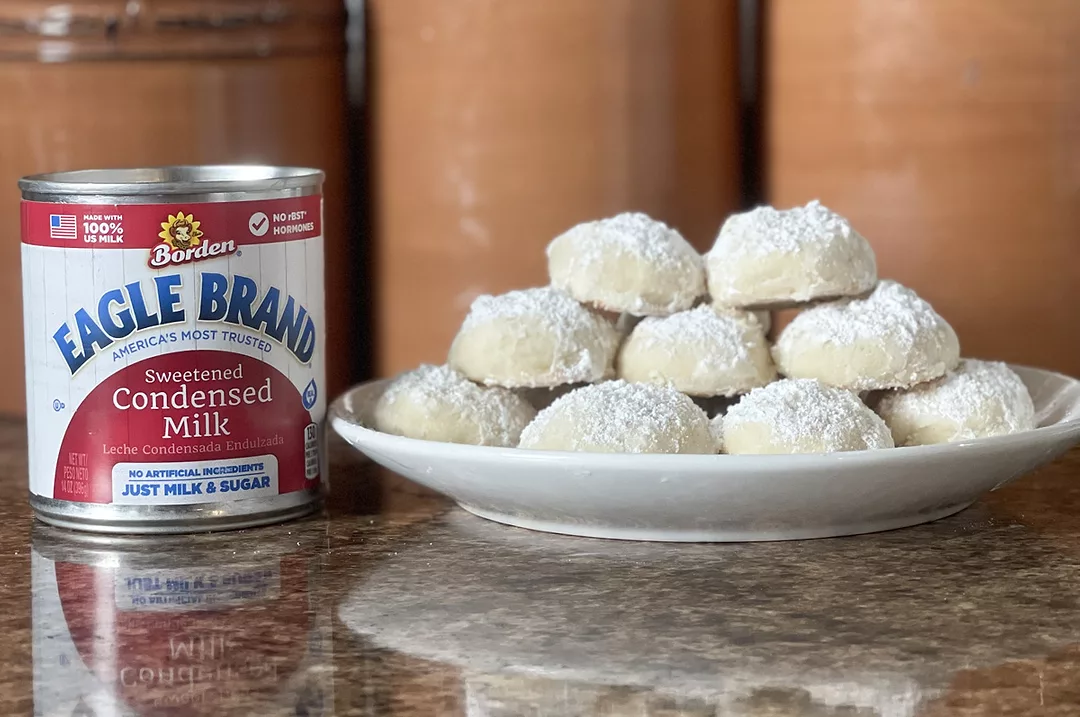
Sweetened concentrated milk
Sugar is added as a preservative in sweetened concentrated milk. The sugar content in this milk is around five times the sugar in evaporated milk. Sweetened concentrated milk also has some vitamins, fat and protein. The appearance and taste of this milk type are different than regular milk. It is sweeter and has a thicker, creamier texture. Owing to its longer shelf life, sweetened concentrated milk is a popular ingredient of various dishes globally.
Unsweetened or evaporated milk
As the name implies, sugar isn’t added during the production of unsweetened milk. A heating process sterilizes this milk type to increase its shelf life.
Sweetened concentrated skim milk
Sweetened concentrated skim milk is made by removing most of the water from skim milk and adding sugar into it. The fat content in this milk type is around 0.5%.
Benefits of concentrated milk
There are several benefits associated with concentrated milk. These include:
High nutrient density: Concentrated milk has a higher content of calcium, vitamin D and other essential nutrients compared to regular milk. This makes it particularly beneficial for bone health, especially in children and older adults.
Energy source: The added sugar in concentrated milk increases the amount of calories inside it. This makes it a good option for individuals seeking to gain weight or requiring extra energy.
Long shelf life: The water removal process increases the shelf life of condensed milk, making it a pantry staple.
To conclude, concentrated milk is milk that has added sugar and water removed. The high sugar and low water content increase the shelf life of the milk, making it last for several months. Also, concentrated milk has a wide range of kitchen applications, from caramel sauce and toppings to milk-based confectionaries. With shifting preferences and changing consumer lifestyles, the adoption of concentrated milk is expected to rise in the coming years.
Sweetened condensed milk cookies
Ingredients:
1 cup (2 sticks) of unsalted butter, softened
½ cup of sweetened condensed milk
2 teaspoons vanilla extract
2 ¼ cups of all-purpose flour
¼ teaspoon of salt
1 ½ cups of powdered sugar (for rolling)
Preparation:
1. Prepare the dough
Cream the butter in a large mixing bowl until smooth and creamy.
Gradually add the sweetened condensed milk and vanilla extract to the butter until well combined.
Slowly mix in the flour and salt until the dough forms. The dough should be soft but not sticky.
Cover the dough and refrigerate for 30 minutes to make it easier to handle.
2. Shape and bake
Preheat oven to 350°F (175°C) and line a baking sheet with parchment paper.
Roll the chilled dough into 1-inch balls and place them about 1 inch apart on the prepared baking sheet.
Bake the cookies for 12-15 minutes, or until the edges are lightly golden. Be careful not to overbake; the cookies should remain pale.
3. Roll in powdered sugar
Let the cookies cool on the baking sheet for about 5 minutes before transferring.
While the cookies are still warm, roll each one in powdered sugar until fully coated.