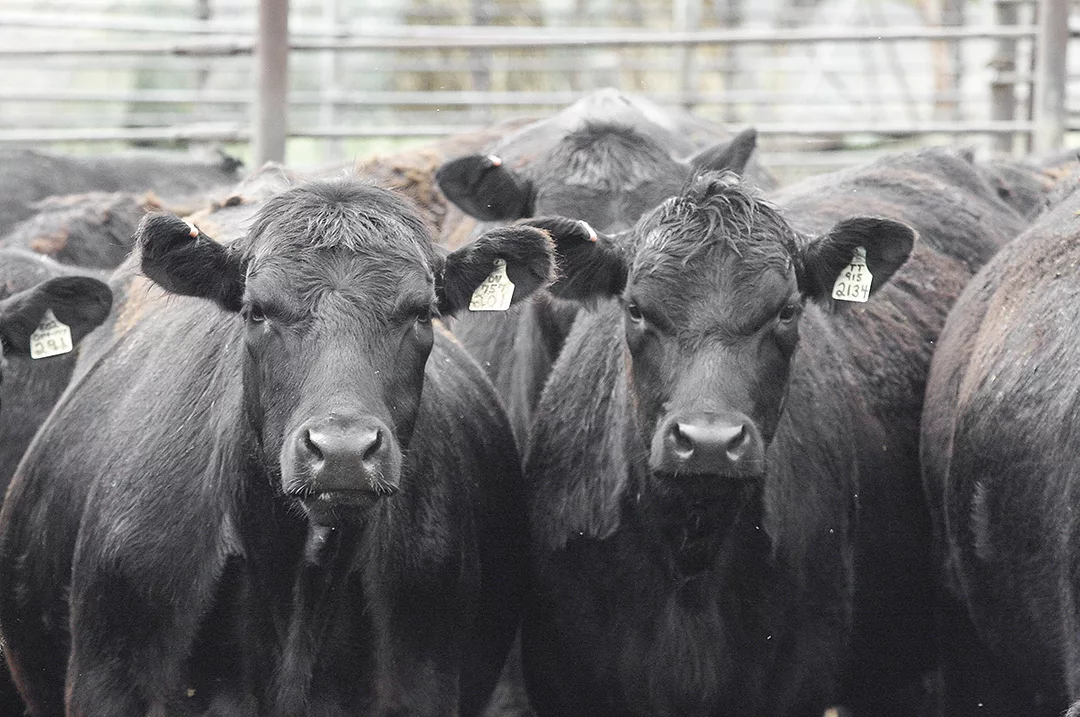
Over the past 36 months, there have been significant shifts in feedlot trends, driven by evolving market conditions, rising input costs and advancements in cattle-feeding strategies. One of the most notable changes has been the trend toward finishing heavier animals, a practice that has contributed to increased profits but has also introduced new challenges and potential concerns.

The shift toward heavier cattle
Average finished weights of cattle in U.S. feedlots have trended upward, closer to 1,600 pounds. Several factors have led to this shift, including:
- Market incentives: Higher finished weights result in more pounds of beef per head, translating to increased revenue per animal when sold on a carcass basis. Packers have been favoring heavier carcasses due to improved yield efficiencies, and feedlot operators have responded accordingly.
- Extended feeding periods: With strong market prices, feedlots have been more willing to extend the days on feed to capitalize on additional weight gain, especially when feed costs remain manageable relative to potential returns. Data generated in trials conducted by Novonesis demonstrate that the feeding of a science-based, research-proven probiotic can aid in supporting normal daily and hourly digestive processes, which help to support the normal daily activities of animals on feed.
Increased profits: A closer look
Heavier cattle have undeniably increased profitability for feedlots. The price per pound for fed cattle has remained strong, and packers continue to demand larger carcasses to maximize processing efficiency. Additionally, advances in feed efficiency have allowed operators to reduce cost per pound gained, further boosting margins. However, this approach comes at a cost beyond just financial gain.
The hidden costs of heavier cattle
While the push for heavier animals has led to short-term profitability, it introduces several risks and challenges:
- Increased feed costs: Even with improved feed efficiency, the longer an animal is on feed, the greater the overall feed consumption. Rising grain prices over the past 36 months have made this an increasingly expensive strategy.
- Health and welfare concerns: Extended feeding periods increase the risk of metabolic disorders, lameness and respiratory issues, leading to higher morbidity and mortality rates. A recent meta-analysis suggests that for every additional 10 days on feed, mortality rates increase by 0.1%.
- Carcass downgrades: Heavier cattle are more prone to excessive fat deposition, which can lead to carcass discounts due to reduced yield and consumer preference for leaner cuts.
- Packing plant limitations: While packers have favored heavier carcasses, there are physical limits to what processing facilities can handle efficiently. Some plants have already had to adapt to accommodate larger animals.
- Environmental impact: More days on feed result in increased manure production, methane emissions and water usage, contributing to environmental sustainability concerns.
Balancing profitability and sustainability
The current trend of finishing heavier cattle has provided financial benefits for feedlots, but it is crucial for the industry to balance profitability with long-term sustainability. Producers should carefully evaluate economic trade-offs of extended feeding versus potential health risks, processing limitations and environmental impact.
Looking ahead, feedlots may need to adopt more refined management strategies, enhanced health protocols and closer alignment with consumer demand to ensure continued success without overreliance on simply producing heavier animals.
The past 36 months have demonstrated how market conditions and industry advancements have driven changes in feedlot trends. While finishing heavier cattle has contributed to increased profits, the associated costs – both direct and indirect – warrant careful consideration. As the beef industry continues to evolve, a balanced approach that optimizes efficiency, animal health and market responsiveness will be essential for long-term viability.
At Iowa State University’s Feedlot Forum in January, Grant Crawford from Merck and Mark Corrigan of Axiota presented data from a meta-analysis of “extended-day” feeding trials. Some of the most important conclusions they discussed included:
- Late-term mortality was increased by 0.1% for every 10 days of extra days on feed.
- As of Jan. 13, 2025, a 0.3% increase in late-term death loss is worth about $7.50 per head at current market and cost of gain.
- A 0.8% improvement in late-term death loss compared to control would be worth about $20 per head, or a 7-to-1 return on investment for feedlots.