“Hey doc, the vaccine didn’t work.” This is a common complaint. However, there is a major difference between vaccination (administering the vaccine) and immunization (developing an immune response). Most “vaccine failures” are not due to the vaccine itself but to the animal’s immune system not being ready – often due to poor timing. The immune system’s job isn’t to prevent disease but to maintain health, which requires appropriate management, sound nutrition, low stress, biosecurity and a well-planned vaccine program.

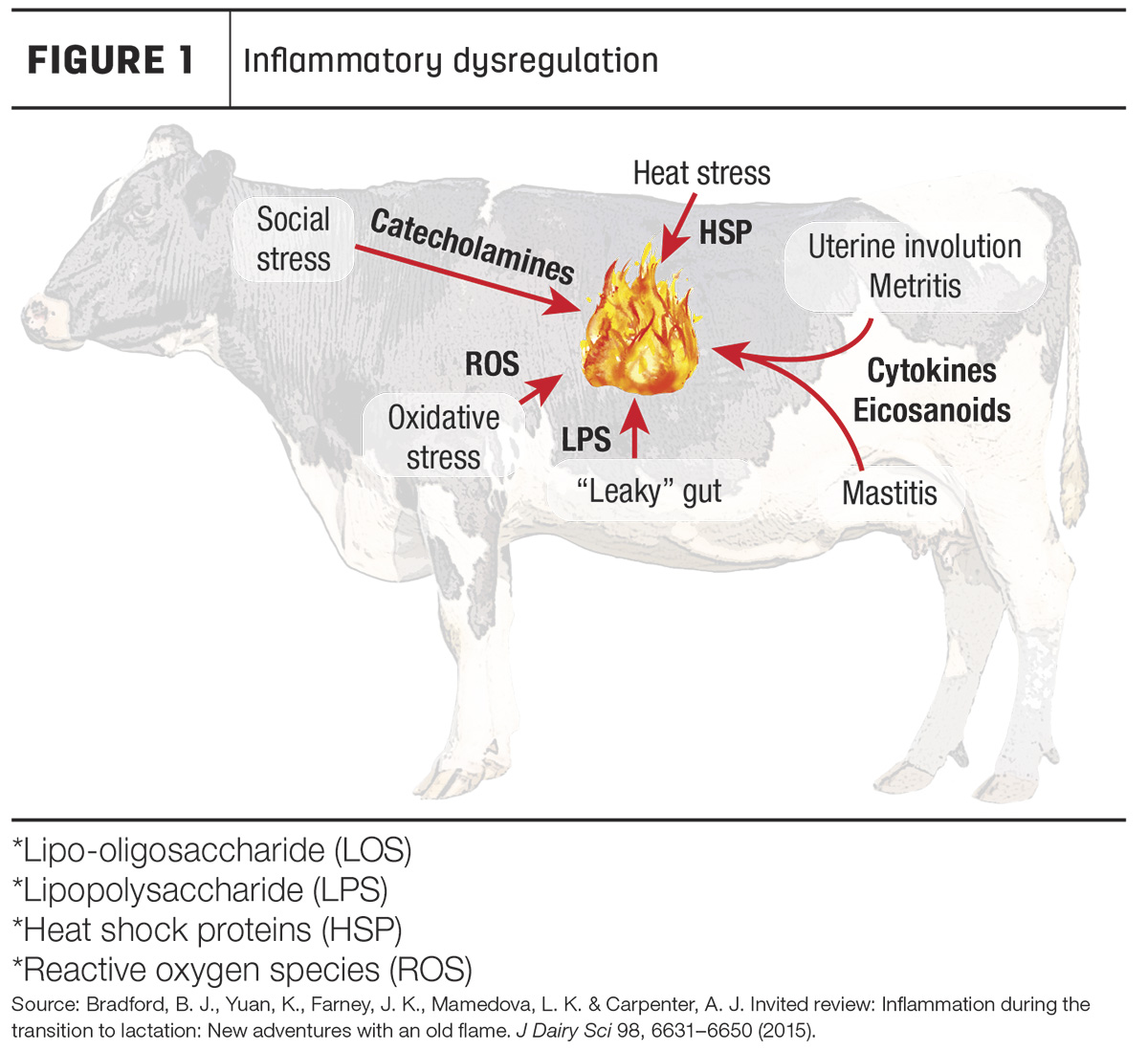
The immune system balances proinflammatory responses (to infections and stressors) and anti-inflammatory mechanisms (to prevent overreaction). Inflammatory dysregulation caused by feed issues (e.g., acidosis, ketosis), stress or pathogens can result in diseases like mastitis, pneumonia, diarrhea and metritis (Figure 1).
Modified live vaccines
Modified-live vaccines (MLVs) are widely used because they induce strong, long-lasting antibody responses with fewer doses and lower costs. They can be administered intramuscularly, intranasally or subcutaneously. However, they may not boost immunity well in previously vaccinated animals, as existing antibodies neutralize the vaccine virus, blocking replication and immune activation. MLVs should not be used in pregnant animals – every confirmed infectious bovine rhinotracheitis (IBR) abortion in the past 15 years was linked to the use of MLV IBR vaccines during pregnancy.
Inactivated vaccines
Inactivated vaccines are made with killed pathogens or components, eliminating the risk of replication or adventitious agents. Modern adjuvants have significantly enhanced their effectiveness. These vaccines are safer for pregnant animals and are particularly valuable for boosting immunity, including following MLV priming. Their downsides include higher costs and a need for multiple doses. Importantly, they stimulate both humoral and cell-mediated responses. Inactivated vaccines can effectively boost MLV vaccines.
Stress, immunosuppression and timing
Physical or psychological stress can suppress immune function and increase disease risk. Everyday stressors include extreme temperatures, crowding, transport, weaning, feed restriction, calving and vaccination. Genetics, social rank and whether stress is acute or chronic also affect immune outcomes.
There is strong evidence that delaying vaccination by at least two days – preferably up to two weeks – after a stressor improves immune response and reduces illness.
Nutrition and immune function
The immune system demands energy, protein, vitamins and trace minerals to function properly. Both deficiencies and excesses can impair immunity. Critical micronutrients include vitamins A, C, E and the B-complex and minerals like zinc, copper, selenium, magnesium, iron and manganese. Zinc, copper and selenium are especially vital for immune regulation.
Negative energy balance and inflammation
In animals like newly weaned calves or fresh cows, a negative energy balance compromises immunity. In fresh cows, fat mobilization increases systemic inflammation. Immune cells, especially innate immune components, are highly responsive to bacterial endotoxins from the gut and also to those found in some vaccines.
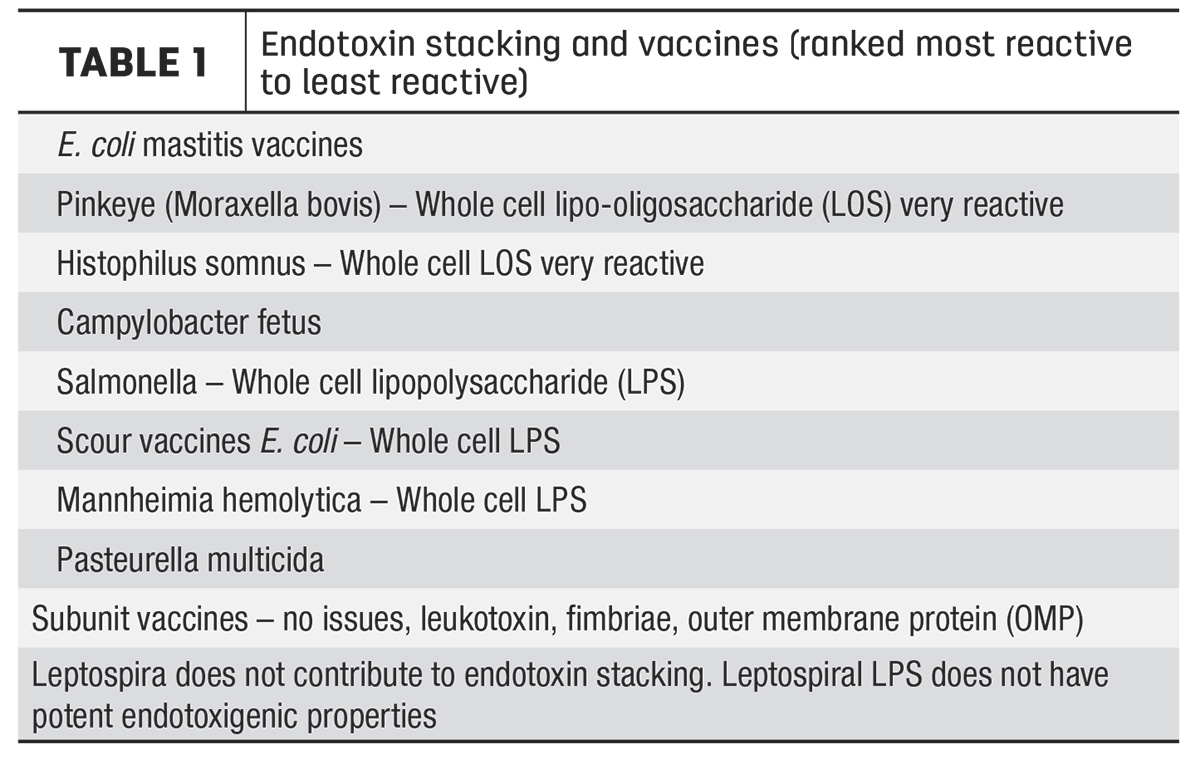
Vaccinating simultaneously with multiple gram-negative bacterins (endotoxin stacking, e.g., salmonella, E. coli mastitis, histophilus, pinkeye) may increase immune dysfunction (Table 1). Vaccination schedules must consider both the timing and the inflammatory potential of vaccines.
Vaccinating calves
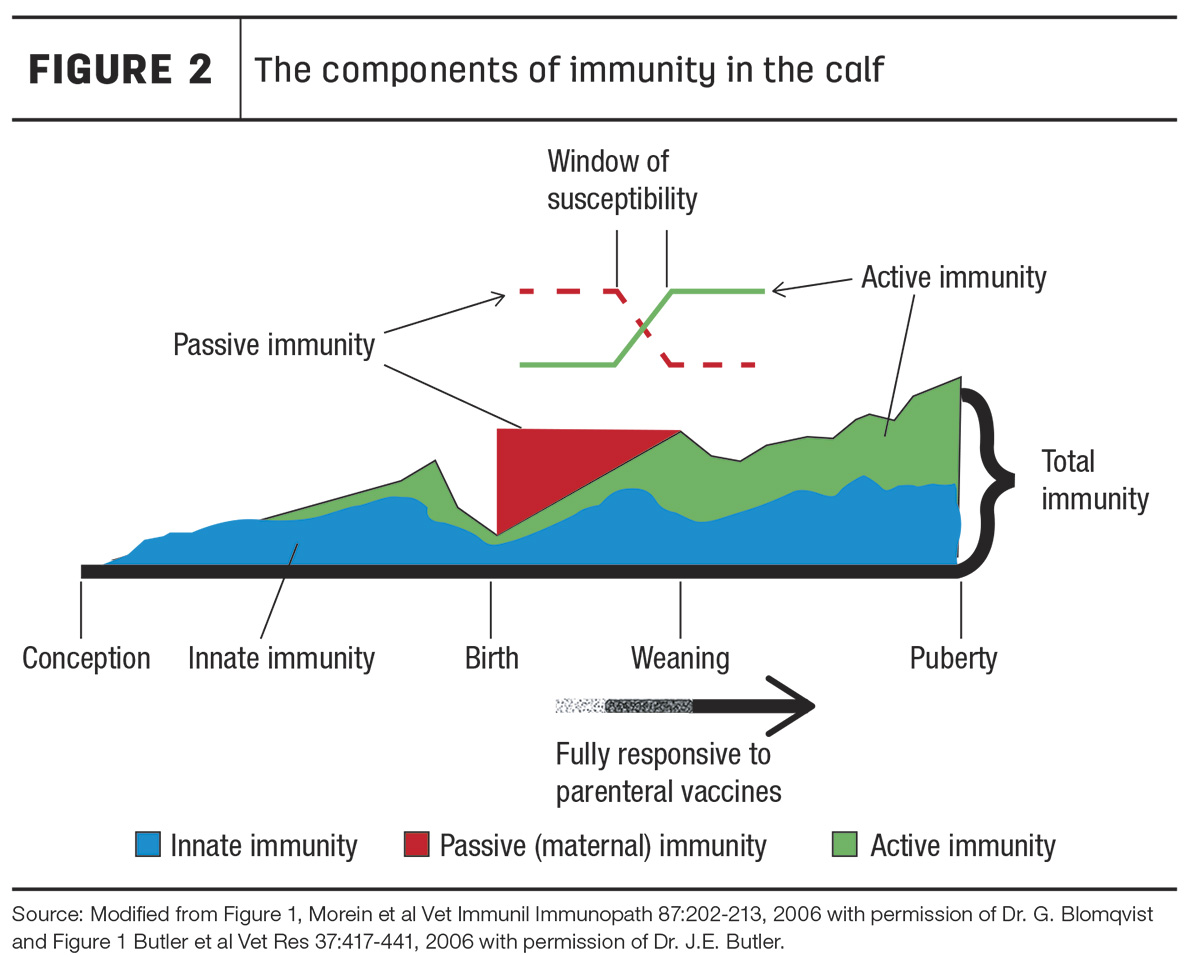
Assuming adequate colostrum transfer, a calf’s immune system is present but immature (Figure 2). Responsiveness improves around 30 to 60 days old. While maternal antibodies are crucial, they can interfere with vaccine efficacy – especially for systemic MLVs. However, intranasal vaccines and well-adjuvanted inactivated vaccines are less affected by maternal interference.
Avoid using MLV bovine viral diarrhea (BVD) vaccines before 60 to 90 days old. Bacterial vaccines, such as pinkeye or salmonella, should also be withheld before 60 days, as immune responses are suboptimal.
Prepartum vaccination
The dry period is a prime time to vaccinate dairy cows. During this time, cows are not under lactational stress, allowing stronger immune responses. Prepartum vaccines protect the cow (e.g., against BVD and IBR) and enhance colostral antibody transfer, helping shield calves from respiratory and diarrheal pathogens (BRSV, rotavirus, coronavirus and E. coli). As the transition period occurs three weeks before calving, vaccination needs to be done earlier in the dry period (Figure 2).
Postpartum challenges
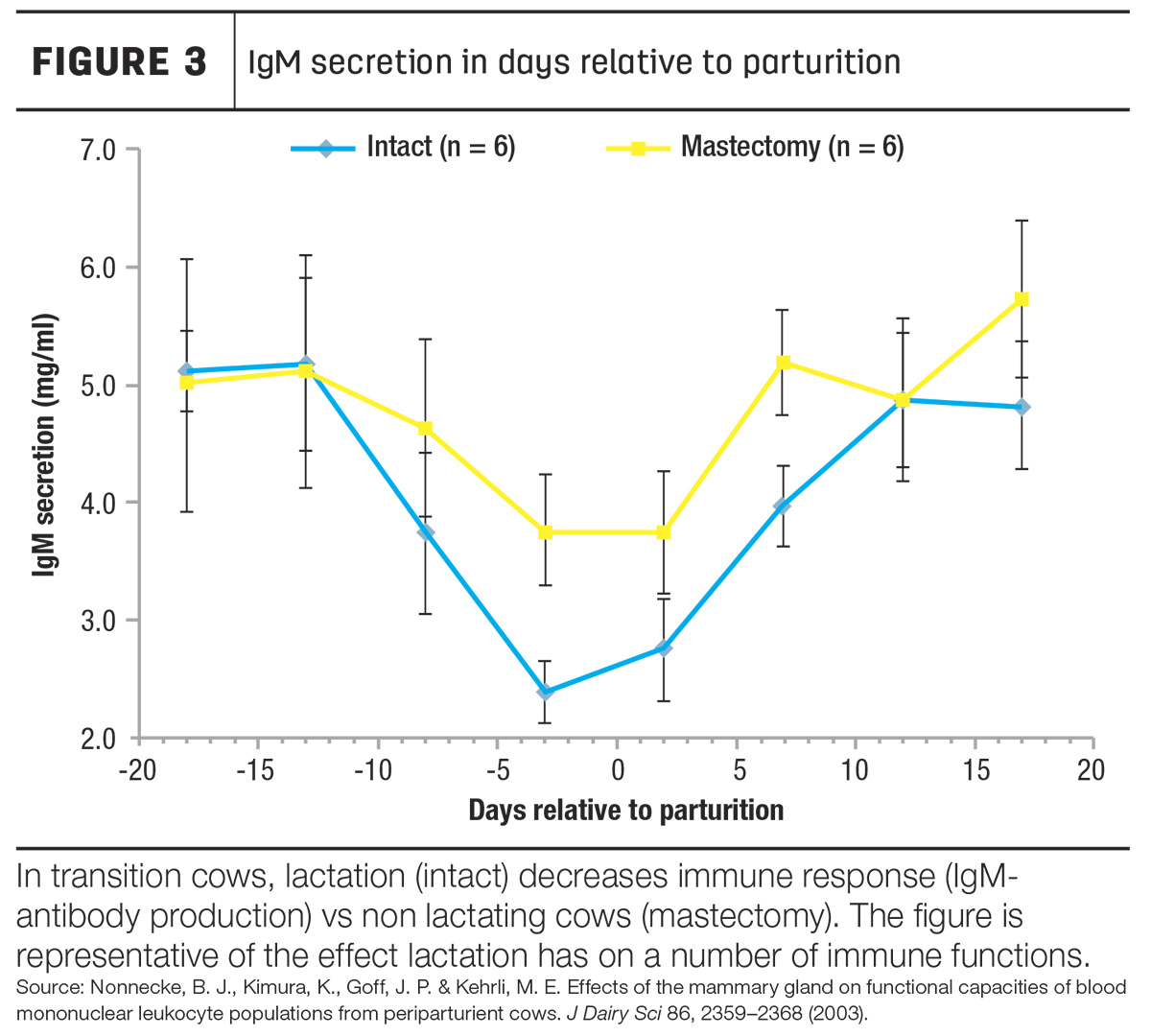
The fresh period (zero to 45 days postpartum) is a challenging window immunologically due to high metabolic demands and low feed intake (Figure 3). The immune system becomes secondary to lactation energy needs. Subclinical ketosis, which limits immune responsiveness, affects up to 30% of cows during this time, peaking around three weeks postpartum. Studies show that vaccinating cows during this period – especially with intranasal viral vaccines – does not improve milk production, health or survival. Ideally, postpone vaccination until cows are at least 45 days in milk.
- Vaccination ≠ Immunization: The immune system must be primed and ready.
- MLVs: Effective for priming but poor for boosting in immune animals. Avoid vaccinating during pregnancy.
- Inactivated vaccines: Safe and effective for boosting and essential in reproductive protocols.
- Timing matters: Stress and energy balance influence vaccine response. Delay vaccination during or shortly after stressors.
- Nutrition is essential: Deficiencies in energy, protein or key micronutrients impair immunity.
- Vaccination of calves: Vaccinate the neonatal calf using intranasal or well-adjuvanted vaccines, but most bacterial and BVDV vaccines should begin after 60 to 90 days.
- Prepartum vaccination: Optimal for both cow immunity and colostral protection.
- Postpartum vaccination: Suboptimal and should be avoided during early lactation.
Every herd’s vaccine protocol must be tailored to its animal flow, disease risks and labor resources. It should always work with, not against, the biology of the immune system.